
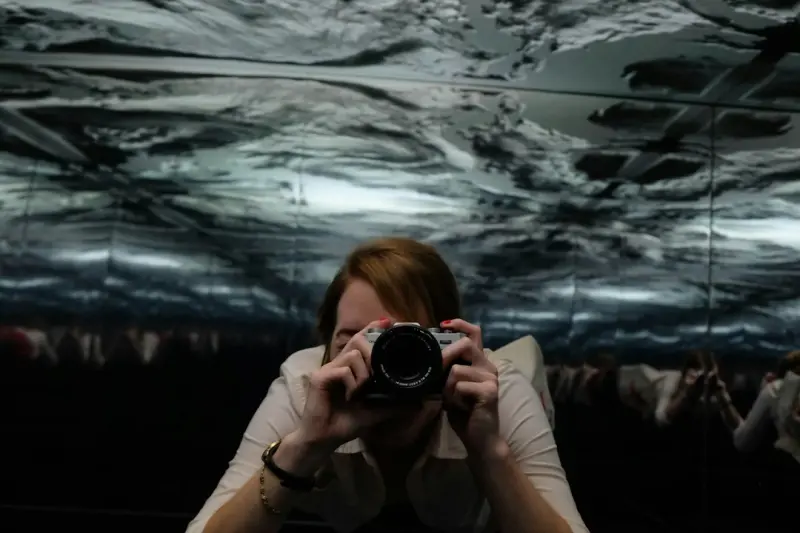
Why Travel Should Feel Like a Symphony, Not Just a Photo Album
When I first set foot on a new continent, my mind was a checklist: passport, itinerary, must‑see landmarks. The excitement of ticking boxes quickly gave way to a subtle disappointment—the places looked amazing in glossy magazines, but the experience felt flat, as if I were watching a movie through a screen. It took a series of quiet moments—listening to a street musician in Lisbon, inhaling the salty breeze in a tiny fishing village, tasting a single spoonful of fresh‑caught sea urchin—to realize that travel is far richer when we engage every sense.
From Visual Overload to Multisensory Immersion
Our modern travel culture is dominated by the “Instagram moment.” The pursuit of the perfect shot has turned many destinations into backdrops for selfies rather than living, breathing spaces. While stunning visuals are undeniably powerful, they are only one strand in the tapestry of an authentic journey. When we consciously open ourselves to sound, smell, taste, and touch, we step out of the role of observer and become participants in the story of a place.
The Soundtrack of a Destination
Imagine walking through a bustling market in Marrakech. The clatter of metalware, the rhythmic chants of merchants, the occasional call to prayer—each note layers a narrative that no photograph can capture. Sound is the first sense we often overlook, yet it has the ability to anchor memory more firmly than sight. Neuroscience tells us that auditory cues are stored in the hippocampus alongside visual memories, making them key to recall.
To harness this, start by swapping the “click‑and‑go” approach for a “listen‑first” habit. Put on a pair of discreet earbuds and record ambient sounds—whether it’s the soft lapping of waves on a remote beach or the distant hum of a night market. Later, replay these recordings in your home to relive the moment. Over time, you’ll notice that these sonic snapshots trigger vivid recollections of the place far more readily than a photo ever could.
The Power of Smell: Olfactory Maps
Smell is perhaps the most underutilized travel sense. A single fragrance can transport you back to a specific alleyway, a particular season, or even a particular emotion. Think of the warm spice of cinnamon in a Turkish bakery, or the fresh pine that greets you on a hike through the Canadian Rockies.
When you arrive in a new location, pause and breathe deeply. Identify three distinct aromas and note them in a small notebook or on your phone. Over the course of a trip, these scent “markers” become an olfactory map that you can follow long after you’ve returned home, turning ordinary memories into an evocative sensory collage.
Taste as a Cultural Lens
Food is the most obvious entry point for multisensory travel, yet many tourists stick to familiar chains or tourist‑centric menus. To truly taste a place, venture beyond the plate and into the process. Join a local cooking class, visit a bustling street‑food stall, or simply ask a resident to share a family recipe.
These experiences not only expand your palate but also deepen your understanding of a region’s history, geography, and social fabric. For instance, learning how the salt content in a coastal town’s cuisine reflects its reliance on fishing can illuminate how the environment shapes daily life. This is where how technology reshapes taste experiences meets tradition—digital platforms now connect travelers with authentic culinary workshops that were once hidden behind language barriers.
The Tactile Journey: Feeling the Landscape
Touch may seem the most “obvious” sense, but it’s often the least considered in travel planning. The texture of ancient stone walls, the cool grit of desert sand between your fingers, the gentle sway of a hammock under a palm tree—these tactile sensations ground you physically in a place.
Incorporate intentional “touch moments” into your itinerary. If you’re exploring a historic site, pause to run your hand over the carvings (where allowed) and feel the passage of centuries. On a beach, dig your toes into the sand and notice the temperature change as the tide shifts. These small acts make the environment feel personal and immediate.
Designing a Sensory Itinerary
Creating a travel plan that prioritizes all five senses requires a shift from linear, sight‑centric schedules to a more fluid, experiential blueprint. Here’s a step‑by‑step framework you can adapt for any destination:
- Research soundscapes. Look for local music festivals, traditional performances, or neighborhoods known for their street sounds. Websites like SoundMap and community event pages can guide you.
- Map olfactory hotspots. Identify markets, bakeries, spice shops, or natural areas (forests, flower fields) where distinct scents dominate.
- Curate culinary experiences. Beyond restaurant reservations, seek out cooking workshops, farm‑to‑table tours, or home‑cooking exchanges. Platforms that specialize in experiential travel can help you discover hidden gems.
- Plan tactile activities. Include hikes, hands‑on craft workshops (pottery, weaving), or simply allocate time to sit on a local bench and observe daily life.
- Document with senses in mind. Instead of only snapping photos, record short audio clips, jot down scent notes, and capture textures with descriptive language.
By structuring your trip around these pillars, you transform a passive sightseeing tour into an active sensory adventure.
Technology as a Sensory Enabler, Not a Distraction
There’s a common misconception that technology dilutes authentic travel. In reality, the right digital tools amplify sensory awareness. Apps that translate local dialects in real time free you to converse with locals, deepening auditory immersion. Augmented‑reality (AR) overlays can highlight the history behind a building’s façade, prompting you to touch and feel the stone with newfound context.
Moreover, the rise of zero‑party data for personalized journeys means that travel providers can now ask you directly about your sensory preferences—do you prefer quiet mornings by the sea, bustling night markets, or fragrant spice routes? This data helps craft itineraries that align precisely with how you want to experience a place, rather than forcing you into a generic template.
Case Study: A Sensory Week in Oaxaca
To illustrate the impact, let me share a recent trip I organized for a small group of friends—a week in Oaxaca, Mexico, built entirely around the senses.
- Sound: Each evening began with a live performance of traditional Guelaguetza drums at a local community center. We also took a guided night walk listening to the chorus of cicadas and distant church bells.
- Smell: Mornings started at a bustling market where we inhaled the fragrant blend of fresh herbs, roasted chilies, and ripe mangoes. We even visited a small mezcal distillery to sniff the smoky notes of the agave.
- Taste: The group participated in a hands‑on mole‑making workshop, learning the nuanced layering of chocolate, nuts, and spices—an experience far richer than merely ordering mole at a restaurant.
- Touch: We explored ancient Zapotec ruins, tracing the worn steps with our fingertips, and spent an afternoon learning traditional weaving, feeling the texture of hand‑spun wool.
- Vision: While we still captured photographs, we paired each image with a short audio note describing the scene, making the visual memory richer.
At the trip’s conclusion, the participants reported feeling more connected to Oaxaca than any previous vacation. Their memories were vivid, not just visually but also aurally and olfactorily, and they continued to recall the experience months later through the scents and sounds they had recorded.
Overcoming Common Barriers
Many travelers worry that focusing on sensory details will complicate their plans. Here are practical solutions:
- Time constraints. Even a brief pause—five minutes to listen to a street performer—can be integrated without reshaping the entire schedule.
- Language barriers. Use translation apps to ask locals about recommended market stalls, hidden cafés, or quiet parks.
- Physical limitations. Sensory travel isn’t limited to the highly active; you can experience sound and scent in accessible settings like museums with audio guides or botanical gardens with aromatic pathways.
Future Trends: Sensory‑Centric Travel Platforms
Travel tech startups are beginning to recognize the market for multisensory itineraries. Some platforms now allow users to filter destinations by “soundscape” or “aroma profile,” leveraging crowd‑sourced data from travelers who tag experiences with sensory descriptors. This aligns closely with the rise of membership models in travel, where subscribers receive curated sensory boxes—local teas, scent candles, and playlists—before embarking on their trips.
As these tools evolve, they’ll make it easier for even the most sight‑oriented traveler to step into a holistic experience. The future isn’t just about where you go, but how you feel while you’re there.
Bringing Sensory Travel Home
You don’t have to be on an exotic beach to practice sensory travel. The concept can be applied to weekend getaways, day trips, or even city walks. Start by picking a familiar locale—a neighborhood park or a nearby town—and deliberately engage your senses. Over time, this habit will naturally extend to larger journeys, turning every adventure into a richer, more memorable story.
Remember, the world is a symphony of sounds, scents, flavors, textures, and sights. By tuning in to every note, you’ll discover that travel isn’t just a checklist of landmarks—it’s an intimate conversation with the planet, one sense at a time.

Related Posts
Why Digital Nomad Visas Are Redefining Travel Economics
Digital‑nomad visas are turning short‑term tourists into long‑term contributors, reshaping loc... Read More

The Five‑Hour Escape: Redefining Travel with Micro‑Getaways
Explore the booming trend of micro‑getaways—short, curated trips that deliver deep experiences, ... Read More

Regenerative Travel: How Vacations Can Leave Places Better Than You Found Them
Regenerative travel flips the tourism script: instead of leaving footprints, travelers leave kindnes... Read More
Top Posts
Backyard Bounty: Turning Home Gardens into Neighborhood Food Hubs
A look at the growing movement of Canadians turning small home gardens into collaborative food hubs, sharing technology, tools, and produce to build stronger, m...Read More
Beyond Taste: Crafting Multi‑Sensory Restaurant Experiences That Keep Guests Coming Back
Discover the power of multi‑sensory design in restaurants—from curated soundscapes and signature scents to adaptive lighting and tactile details—showing h...Read More
Wanderlust Reimagined: Shawn DesRochers on Hybrid Travel, Smart Savings, and Sustainable Adventures
Shawn DesRochers shares his insider perspective on hybrid travel, budgeting tips, and sustainable tourism, guiding readers to unforgettable, responsible journey...Read More

The Real Price Tag of a “Smart” Home
Smart home devices promise convenience, but hidden fees, subscription traps, and extra energy use can silently raise your monthly expenses. Learn how to budget ...Read More
0 Comments
Post Comment
You will need to Login or Register to comment on this post!