
From Lab Bench to Bar Counter: The Tech‑Infused Evolution of Our Drinks
When I first started writing about food trends, my notebook was filled with notes about seasonal produce, farm‑to‑table narratives, and the occasional artisanal cocktail recipe. Fast forward to today, and the landscape looks like something out of a sci‑fi kitchen—algorithms predict flavor pairings, waste is transformed into garnish, and the next big thing might arrive via a drone rather than a delivery driver. As someone who’s spent a decade tasting, testing, and talking to chefs, distillers, and bar‑back innovators, I’m convinced that the most exciting flavor stories are being written at the intersection of data, sustainability, and community.
The Data‑Driven Palate: AI as Your New Sous‑Chef
Artificial intelligence is no longer just a buzzword in tech conferences; it’s quietly reshaping the way we think about taste. Companies are feeding massive datasets of flavor compounds, consumer preferences, and even molecular structures into machine‑learning models that can suggest pairings no human palate might imagine. Imagine a cocktail that marries the smoky depth of mezcal with the bright acidity of yuzu—crafted not by a seasoned mixologist, but by an algorithm that recognized a complementary aromatic profile.
Beyond novelty, AI helps brands reduce costly trial‑and‑error cycles. By simulating sensory outcomes on a computer, they can shortlist promising formulations before spending on ingredients and lab time. This efficiency also means smaller producers can experiment with bold ideas without breaking the bank.
Of course, every technological leap brings new responsibilities. For food and beverage firms venturing into AI‑generated formulations, there’s a growing conversation about liability, labeling, and consumer transparency. If you’re curious about how other industries are navigating these waters, you might want to read up on AI liability considerations—the principles are surprisingly transferable.
Zero‑Waste Mixology: Turning Scraps into Sips
Waste reduction has become a rallying cry across hospitality, but the most compelling stories come from bars turning “trash” into treasure. Take citrus peel, a by‑product of countless cocktails. Instead of sending it to landfill, innovative bartenders are infusing spirits with the peels, creating vibrant, aromatic bitters that add depth to drinks while extending the life of a single fruit.
Herbs, stems, and even coffee grounds are being reimagined as flavor bases. A coffee‑ground-infused bourbon, for instance, offers a smoky, earthy note that pairs beautifully with chocolate bitters—an unexpected marriage that would have been hard to conceive without a mindset of upcycling.
Beyond flavor, the financial upside is significant. By repurposing what would otherwise be waste, establishments cut ingredient costs and appeal to eco‑conscious patrons. For those looking to balance a tighter budget without compromising the guest experience, the strategies outlined in cost‑of‑living smart strategies can be adapted to the bar floor, turning frugality into creativity.
Hyperlocal Fermentation: Community‑Driven Kombucha, Kefir, and Beyond
Fermentation has always been a communal activity—think of sourdough starters passed between neighbors or kimchi jars shared at potlucks. Today, the hyperlocal fermentation movement is leveraging that tradition with a modern twist: micro‑sourcing ingredients from neighborhood gardens, rooftops, and even urban farms, then fermenting them in small batches that reflect the unique terroir of a city block.
These micro‑batches create a sense of place that mass‑produced beverages simply can’t replicate. A kombucha brewed with locally foraged dandelion flowers or a kefir infused with heritage oat varieties tells a story that resonates with consumers hungry for authenticity.
If you’re wondering how to start a community fermentation hub, a great place to begin is by exploring how tiny spaces can become food production powerhouses. While the article “Balcony Harvest” focuses on gardening, the same principles apply to fermenting in compact environments—think repurposed laundry rooms or under‑stair closets turned into temperature‑controlled fermentation chambers.
The Virtual Table: Immersive Dining Without Leaving Home
While immersive pop‑up concepts have already captured headlines, a quieter revolution is happening in the living room. Virtual reality (VR) platforms now allow diners to experience a curated ambiance—a Parisian bistro, a rainforest canopy, or a moonlit desert—while enjoying a meal prepared by a local chef and delivered to their doorstep.
What sets this apart from traditional food delivery is the sensory synchronization. The VR environment can cue the chef to adjust plating, temperature, or even spice level to match the visual narrative. Imagine sipping a smoky mezcal cocktail while the virtual backdrop shows a sunrise over a Mexican agave field; the visual cue amplifies the spirit’s earthy notes, creating a multi‑sensory harmony.
This blend of technology and gastronomy opens doors for chefs in smaller markets to reach a global audience without the overhead of a brick‑and‑mortar expansion. It also invites collaboration across borders—mixologists in Tokyo can pair their creations with a chef in Toronto, all within a shared virtual dining space.
Sustainable Seafood: From Ocean to Glass
Seafood lovers have long grappled with the tension between flavor cravings and ecological impact. Recent advances in aquaculture and plant‑based marine alternatives are shifting that balance. Regenerative fish farms that mimic natural ecosystems not only produce high‑quality protein but also help restore marine habitats.
On the plant‑based front, companies are using algae, kelp, and even fermented bean proteins to create “seafood” that mimics the texture and briny taste of traditional fish. These products often carry lower carbon footprints and eliminate concerns about overfishing.
Restaurants that incorporate these alternatives are seeing a surprising uptick in customer satisfaction. The key lies in thoughtful preparation—using classic techniques like smoking, curing, or grilling to enhance the inherent flavors of the alternative proteins, thereby satisfying both the palate and the planet‑conscious diner.
Drone‑Delivered Delicacies: The Sky’s the Limit for Freshness
Imagine ordering a freshly squeezed juice or a cold‑pressed cocktail and having it arrive in under ten minutes, delivered not by a bike courier but by a quiet drone that hovers just outside your window. While the technology is still in its early adoption phase, pilots in several cities have demonstrated that drone delivery can preserve temperature, reduce delivery time, and lower emissions compared to traditional vehicles.
For high‑value, temperature‑sensitive drinks—think artisanal cold brew or boutique spirits—this method could revolutionize the “last mile” challenge. It also opens opportunities for pop‑up tasting events in remote or underserved locations, where a drone could bring a curated tasting flight directly to a park or rooftop gathering.
As regulations evolve, early adopters who experiment with drone logistics can position themselves as pioneers, building brand equity around innovation and convenience.
Community Fridges and Open‑Source Recipes: Democratizing Access to Good Food
Community fridges have sprouted across neighborhoods, acting as free “pantries” where people can drop off surplus groceries and take what they need. When paired with open‑source recipe platforms, these fridges become hubs of culinary creativity. Volunteers can upload simple, ingredient‑flexible recipes that anyone can follow with the items they find in the fridge.
This model not only reduces food waste but also empowers people to cook nutritious meals without a steep learning curve. It fosters a sense of shared stewardship—everyone contributes to a collective culinary repository that grows richer with each contribution.
Businesses can support these initiatives by sponsoring fridge locations, providing reusable containers, or even contributing a “signature” ingredient that ties back to their brand story.
Closing Thoughts: A Future Where Flavor Meets Responsibility
The food and drink world is undergoing a transformation that feels both exhilarating and inevitable. AI‑driven flavor engineering, zero‑waste practices, hyperlocal fermentation, immersive virtual dining, sustainable seafood, drone logistics, and community‑driven food sharing are not isolated trends—they’re interconnected threads weaving a tapestry of innovation that prioritizes taste, sustainability, and accessibility.
For brands, restaurateurs, and even home enthusiasts, the challenge—and the opportunity—is to embrace these shifts with curiosity and responsibility. By leveraging technology without losing sight of the human stories behind each sip and bite, we can craft a culinary future that’s as delicious as it is conscientious.

Related Posts

The Flavors of the Land: Exploring the Intersection of Food, Culture, and Canadian Identity
Canadian cuisine reflects the nation's cultural heritage. Explore the intersection of food, culture,... Read More
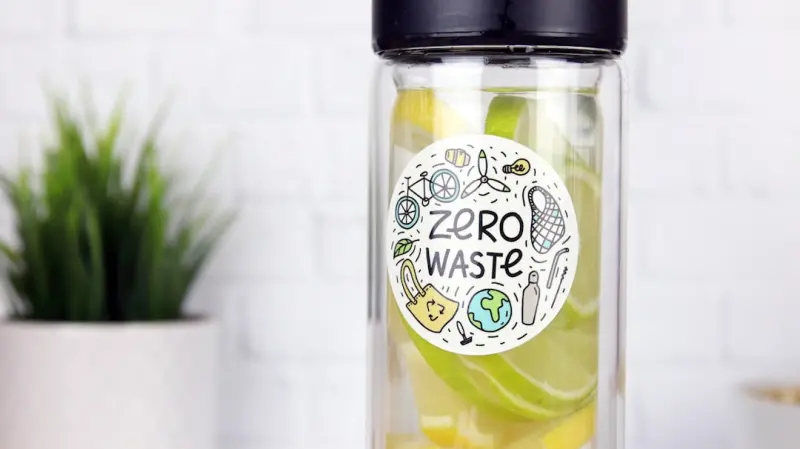
Zero‑Waste Home Mixology: Turning Kitchen Scraps into Craft Cocktails
Learn to turn everyday kitchen leftovers into flavorful, eco‑friendly cocktails with simple infusi... Read More
Zero-Waste Mixology: Turning Bar Scraps into Signature Sips
Explore the rising trend of zero‑waste mixology, where bartenders and home enthusiasts turn citrus... Read More
Top Posts

Get Ready to Feast: The Calgary Stampede Unveils a Wild Menu of Culinary Creations
The Calgary Stampede is known for its thrilling rodeo events, captivating concerts, and vibrant atmosphere. But let's be honest, a huge part of the Stampede exp...Read More
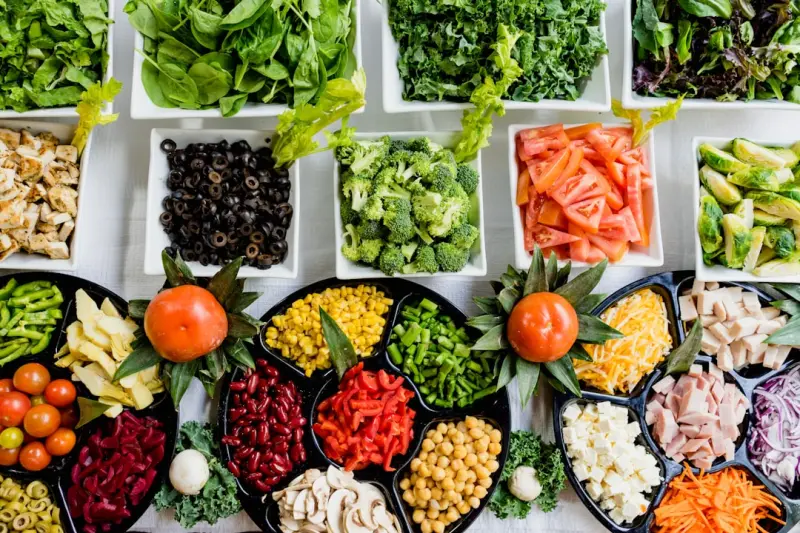
Seasonal Superfoods: Tuning Your Diet to Nature’s Clock
Learn why syncing your meals with seasonal superfoods can transform your vitality, support gut health, and reduce waste, all while savoring nature’s freshest ...Read More
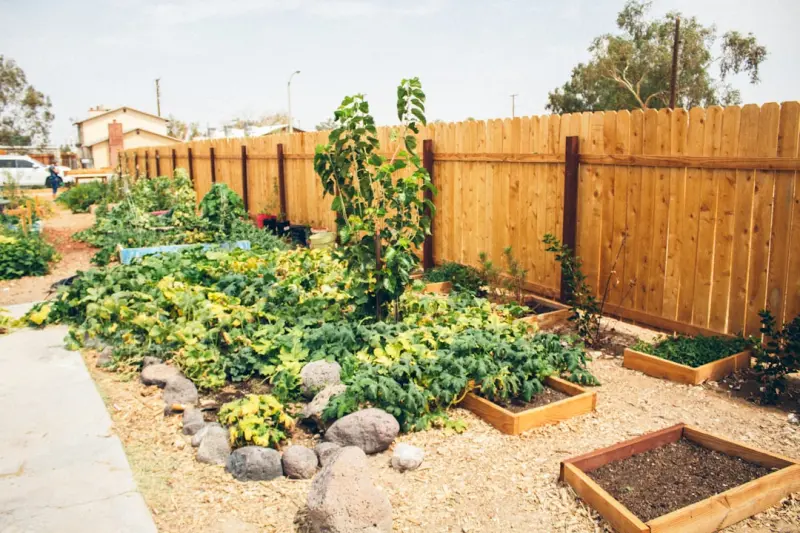
Backyard Bounty: Turning Home Gardens into Neighborhood Food Hubs
A look at the growing movement of Canadians turning small home gardens into collaborative food hubs, sharing technology, tools, and produce to build stronger, m...Read More

From Prescription Pads to Pocket Apps: The Rise of Digital Therapeutics in Canada
Digital therapeutics—prescription‑grade health apps—are moving from novelty to standard care in Canada, offering personalized treatment, reducing hospital...Read More
0 Comments
Post Comment
You will need to Login or Register to comment on this post!