
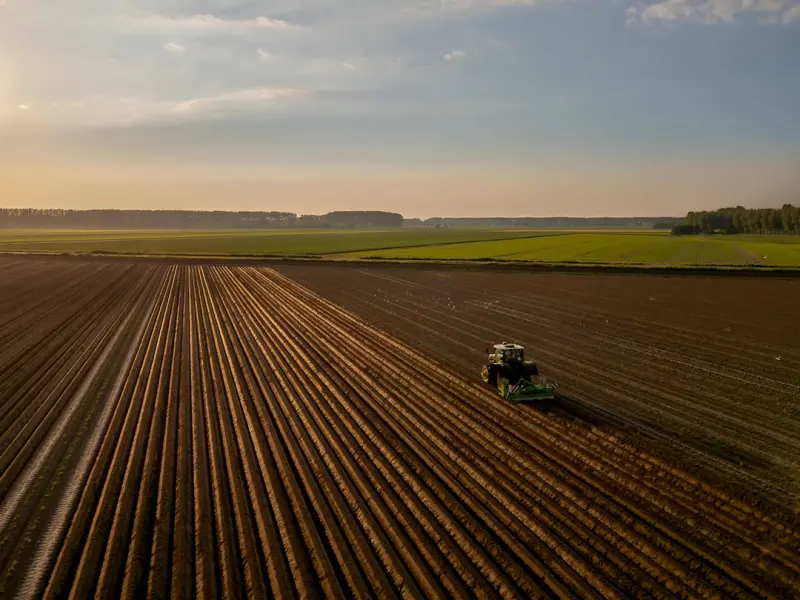
Regenerative Roots: How Canadian Farmers Are Turning Soil into a Climate Solution
When I first stepped onto my grandfather’s wheat field in the Prairies, the earth smelled of promise and perseverance. Decades later, the same soil is at the center of a quiet revolution that’s reshaping how we think about food, profit, and the planet. In the heart of Canada’s agricultural belt, farmers are embracing regenerative practices not just as a buzzword, but as a tangible pathway to healthier ecosystems, resilient yields, and new revenue streams.
Regenerative agriculture isn’t a single technique; it’s a philosophy that stitches together cover cropping, reduced tillage, diversified rotations, and holistic livestock integration. The goal is simple yet profound: restore the living soil that fuels our crops, while simultaneously sequestering carbon and boosting biodiversity. For us—farmers who have weathered droughts, market swings, and policy shifts—this approach feels like a return to the stewardship instincts that guided our ancestors.
The Soil‑Carbon Credit Marketplace: Turning Dirt into Dollars
One of the most compelling incentives driving this movement is the emergence of soil‑carbon credit markets. Governments, corporations, and NGOs are now willing to pay for measurable carbon sequestration in agricultural lands. By adopting practices that increase organic matter, Canadian farmers can generate verified credits and sell them to entities looking to offset their emissions.
Getting started involves three core steps:
- Baseline Assessment: Establishing a clear picture of current soil carbon levels using field sampling or remote sensing tools.
- Practice Implementation: Introducing cover crops like radish or crimson clover, adopting no‑till drills, and integrating managed grazing.
- Verification & Monetization: Partnering with accredited registries that certify carbon gains and issue tradable credits.
The financial upside can be significant. A medium‑size grain farm that improves its soil carbon by 0.5% per hectare could generate upwards of hundreds of dollars per acre annually, creating a steady income stream that cushions against price volatility in commodity markets.
Community‑Supported Agriculture Gets a Tech Boost
Beyond carbon credits, many growers are re‑imagining the traditional Community‑Supported Agriculture (CSA) model. By leveraging digital platforms, farms can sell subscription boxes directly to urban consumers, offer transparent farm‑to‑table stories, and even let members vote on crop rotations.
What makes this new wave distinct is the integration of data‑driven farm health platforms. Sensors buried in the field relay real‑time moisture, temperature, and nutrient data to a dashboard that both the farmer and CSA members can view. This transparency builds trust and empowers subscribers to understand how their food is grown, creating a deeper emotional connection that translates into higher retention rates.
For example, a family farm in southwestern Ontario recently launched a “Seasonal Insight” app. Every week, subscribers receive a short video from the field, highlighting the benefits of the cover crops planted that month. The app also displays carbon sequestration metrics, tying each bite of lettuce back to the planet‑saving work happening beneath the soil.
Bundling Innovation: The Rise of Ag‑Tech Suites
Adopting regenerative practices often requires new tools—precision planters, drone‑based imaging, and advanced analytics. While each technology offers value on its own, the cost of piecemeal adoption can be prohibitive for family farms. Enter bundled ag‑tech solutions, a model that packages hardware, software, and support services into a single subscription.
These bundles work similarly to a “farm‑as‑a‑service” model: farmers pay a predictable monthly fee, receive regular firmware updates, and gain access to a network of agronomists who can interpret the data. The advantages are threefold:
- Cost Predictability: Eliminates large upfront capital expenditures, allowing cash‑flow planning that aligns with planting cycles.
- Integrated Insights: Data from soil sensors, weather stations, and satellite imagery converge in one interface, simplifying decision‑making.
- Scalable Support: Small farms can tap into expertise that previously existed only for large agribusinesses.
In practice, a mixed‑crop farm in British Columbia adopted a bundled solution that combined a low‑till drill, a drone for NDVI mapping, and an AI‑powered recommendation engine. Within two seasons, the farm reported a 12% reduction in fertilizer use and a 5% increase in overall yield—proof that smart bundling can accelerate both environmental and economic returns.
Data as a Farm’s Most Valuable Asset
While soil carbon and technology are tangible, there’s an intangible asset that’s gaining recognition: the farmer’s own data. Historically, agricultural data has been siloed, owned by equipment manufacturers or large agribusinesses. Today, a growing movement encourages growers to retain ownership and monetize their datasets, much like how zero‑party data is reshaping marketing.
By aggregating field‑level information—crop performance, input usage, weather response—farmers can sell anonymized insights to research institutions, seed companies, and climate‑modeling firms. This not only creates a new revenue channel but also positions growers as co‑creators of the next generation of agricultural science.
Several cooperatives in the Atlantic provinces have launched data‑exchange platforms where members pool their field data. The collective then negotiates licensing agreements, ensuring that individual farms receive a share of the proceeds proportional to the richness of their contributions. It’s a democratic approach that flips the traditional power dynamics of agritech.
Policy Landscape: From Subsidies to Carbon Incentives
Regenerative agriculture’s momentum is also being buoyed by shifting policy frameworks. Federal and provincial governments are moving beyond traditional production‑based subsidies toward outcomes‑based incentives. Programs now reward measurable improvements in soil health, biodiversity, and greenhouse‑gas reductions.
Key policy levers include:
- Carbon Farming Initiatives: Funding for carbon‑credit verification and on‑farm implementation.
- Agri‑Environmental Grants: Support for cover‑crop seed purchases and equipment retrofits.
- Research Partnerships: Collaborative projects between universities and farms to trial novel regenerative practices.
For farmers, staying informed about these programs is crucial. Many regional agri‑service centres now host “regeneration roundtables” where policymakers, researchers, and growers discuss eligibility, reporting requirements, and best practices. Engaging early can mean the difference between securing a grant or missing out.
Challenges and How to Overcome Them
Adopting regenerative methods isn’t without hurdles. Here are the most common concerns and practical ways to address them:
- Transition Period Yield Gaps: Shifting from conventional tillage to no‑till can temporarily reduce yields. Mitigation strategies include staggered roll‑outs, using high‑performance cover crops, and leveraging predictive analytics to fine‑tune inputs.
- Knowledge Gaps: Many farmers grew up with a set of tried‑and‑true practices. Partnering with extension services, attending workshops, and joining farmer‑to‑farmer learning circles can accelerate skill acquisition.
- Financial Risk: Upfront costs for new equipment or seed can be daunting. Exploring bundled solutions, low‑interest green loans, and carbon‑credit pre‑financing can ease cash‑flow pressure.
- Data Management: Collecting data is easy; turning it into actionable insight is hard. Investing in user‑friendly dashboards (like the ones highlighted earlier) and hiring part‑time data analysts can bridge the gap.
Stories from the Field: Voices of Canadian Regenerators
Emma Leclerc, Mixed‑Fruit Orchard, Québec – “When we introduced a winter rye cover crop, the soil felt looser under our boots. Within three years, our orchard’s water usage dropped by 20%, and we earned carbon credits that funded a new cold‑storage facility.”
Mohammed Al‑Saadi, Grain Farm, Saskatchewan – “The bundled ag‑tech package gave us drone imaging we could afford. Seeing the NDVI maps helped us spot nutrient‑deficient zones early, so we applied fertilizer only where it was needed. The savings added up quickly.”
Lydia Fraser, Dairy Farm, Nova Scotia – “Our herd now grazes on perennial legumes during summer. Not only does this improve soil nitrogen, but the milk we produce carries a ‘regenerative’ label that fetches a premium at market.”
Looking Ahead: A Regenerative Blueprint for Canada
The trajectory is clear: regenerative agriculture is moving from niche pilot projects to mainstream practice across Canada’s diverse farming regions. The convergence of carbon markets, data ownership, and affordable tech bundles creates a virtuous cycle—farmers invest in soil health, generate new income streams, and reinvest those gains into further innovation.
For those of us who grew up with the hum of combines and the rhythm of the seasons, this transformation feels like an evolution of a timeless relationship with the land. It’s not about abandoning tradition; it’s about enhancing it with science, community, and a renewed sense of purpose.
If you’re a farmer curious about taking the first step, start small: plant a cover crop on a single hectare, trial a soil sensor, or join a local data‑exchange group. The soil will thank you, the climate will thank you, and your bottom line will soon follow suit.
Regeneration isn’t a distant ideal—it’s happening right now in the fields of Manitoba, the orchards of British Columbia, and the dairy pastures of Prince Edward Island. Together, we’re turning Canada’s soil into a living ledger of sustainability, one seed at a time.

Related Posts

Harvesting Hope: The Quiet Revolution in Farmer Well‑Being
Canadian farmers are quietly transforming their approach to health by integrating regenerative agric... Read More
From Soil to Screen: How Canadian Farmers Are Redefining Rural Resilience
A farmer’s eye view of the new era in Canadian agriculture—regenerative soil care, digital tools... Read More
Cultivating Tomorrow: How Canadian Farmers Harness Data, Community, and Resilience
Canadian agriculture is evolving through data‑driven precision farming, renewable energy integrati... Read More
Top Posts

Listening to the Body’s Quiet Signals: A New Playbook for Everyday Health
Learn to hear and act on the body's subtle signals—like ultradian cycles, sensory cues, and biofeedback—to craft a balanced, resilient health routine rooted...Read More

When Tariffs Meet the Cloud: Navigating the New Frontier of Global Software Costs
Digital tariffs are reshaping SaaS pricing. This article breaks down the new tax landscape, offers a playbook for procurement teams, and shows how to turn tarif...Read More

Parental Warning: The Data Harvest Hidden in Everyday Parenting Apps
A deep dive into the unseen data collection by parenting apps, why it matters, and actionable tips for safeguarding your child's privacy....Read More

Indulge in a Canadian Classic: The Story and Scoop on Kawartha Dairy Ice Cream
For generations of Canadians, the name Kawartha Dairy conjures up images of sunny days, family outings, and, most importantly, the creamy, delicious taste of th...Read More
0 Comments
Post Comment
You will need to Login or Register to comment on this post!