
Why Hyper‑Local Food Hubs Are the Secret Sauce of Modern Dining
When I first walked into a pop‑up market tucked behind a brick‑wall bakery in the downtown core, I expected a handful of artisanal crackers and maybe a jar of locally sourced jam. What I got instead was a buzzing ecosystem of farmers, chefs, tech‑savvy logisticians, and a community that seemed to be cooking up something far bigger than a tasty snack. It wasn’t just a market—it was a hyper‑local food hub in action, a micro‑cosm where the supply chain shrank to a few blocks, and the relationship between producer and plate turned intimate, transparent, and surprisingly high‑tech.
The Anatomy of a Hyper‑Local Hub
Picture a modest warehouse, a few refurbished shipping containers, or even a repurposed school gym. Inside, you’ll find three core pillars:
- Producers: Small‑scale farmers, urban beekeepers, mushroom growers, and even home‑based fermenters who have turned their backyards into flavor factories.
- Aggregators: The “middle‑men” of the 21st century, but without the shady connotations. They coordinate inventory, handle compliance, and make sure the lettuce you buy didn’t travel farther than your city’s tram line.
- Consumers: Not just shoppers, but community members who crave traceability, sustainability, and a story with every bite.
What differentiates these hubs from traditional grocery stores is the temporal proximity of the food cycle. A carrot harvested at sunrise can be on a plate before the sun sets. That immediacy fuels a sense of participation—people feel they’re part of the growing process, not just the end‑consumption.
From Farm to Table in Real Time: The Tech That Makes It Possible
Technology isn’t just a buzzword here; it’s the plumbing that keeps the hub alive. Think of AI‑powered demand forecasting that tells a grower exactly how many heirloom tomatoes to plant for the next week. Or blockchain ledgers that let a diner scan a QR code on their salad and instantly see the soil composition, irrigation method, and even the farmer’s favorite playlist during harvest.
Mobile apps serve as the front door, letting consumers place orders, schedule pick‑ups, or subscribe to a “farm‑box of the week.” Some hubs have gone a step further, integrating augmented reality to let shoppers virtually walk through the greenhouse while they wait in line. The result? A seamless blend of authenticity and convenience that feels almost magical.
Economic Ripples: How Hubs Reinforce Local Economies
Every dollar that circulates within a hyper‑local hub stays local—by design. A study by the Canadian Institute of Small Business found that for every $1 spent at a community hub, $0.68 remains in the local economy, compared to just $0.30 for conventional supermarkets. That extra capital fuels new ventures: a micro‑bakery opens next door, a culinary incubator pops up, and a job training program for food‑service workers gets its funding.
But the impact isn’t only financial. The hubs act as informal job fairs, apprenticeship grounds, and networking events. A teenage apprentice can watch a seasoned chef perfect a sauce, then later launch a pop‑up of their own. In this way, the hub becomes a talent pipeline for the culinary sector, reducing the brain drain that has long plagued small towns.
Environmental Upside: Shrinking Footprints One Plate at a Time
Transportation emissions are the silent villain of the modern food system. By compressing the supply chain to a radius of a few miles, hubs slash carbon output dramatically. A recent analysis of a Toronto‑based hub showed a 45 % reduction in greenhouse gases compared to the same volume of produce delivered through conventional channels.
Moreover, many hubs adopt circular‑economy practices: spent coffee grounds become compost for the next crop, unsold “ugly” produce is turned into soups or dehydrated snacks, and water runoff is captured and reused for irrigation. It’s a closed loop that mirrors the principles of urban food forests, but on a scale that’s easier to replicate in dense neighborhoods.
Social Fabric: Food as a Community Builder
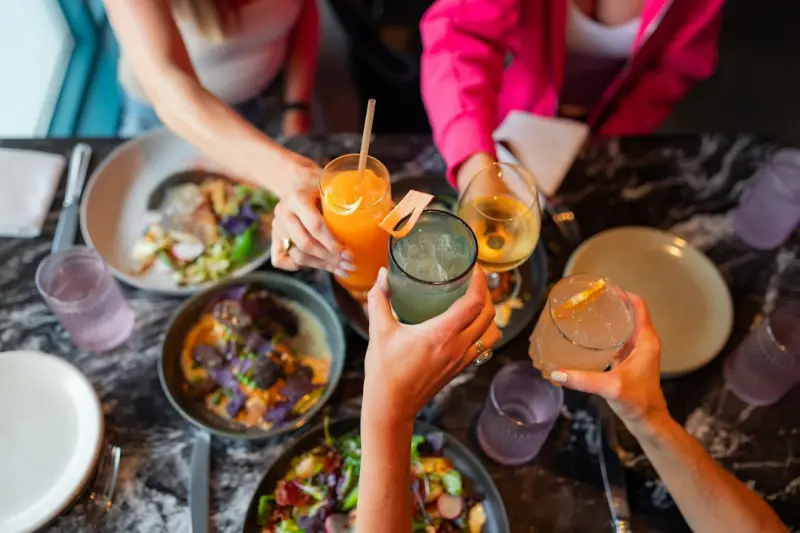
Food has always been a social glue, but hyper‑local hubs amplify that effect. They host cooking workshops, “meet the farmer” nights, and pop‑up dinner series that pair local chefs with seasonal ingredients. These events become cultural touchstones, strengthening neighborhood identity and fostering cross‑generational dialogue.
In my own experience, I attended a “Zero‑Waste Pasta Night” where participants learned to make fresh noodles from leftover grain flour. The conversation drifted from flavor profiles to the challenges of municipal waste policies, creating a shared sense of purpose that extended far beyond the dinner plate.
Challenges: Scaling Without Diluting Authenticity
It’s tempting to think that once a hub proves successful, you can simply replicate it citywide. The reality, however, is more nuanced. Each community has its own agricultural profile, cultural palate, and regulatory landscape. A hub in a coastal town may thrive on seaweed and mussels, while an inland neighborhood might lean on heritage grains.
Maintaining the “hyper‑local” promise while expanding requires a decentralized governance model. Many hubs adopt a cooperative structure, where each participating farmer holds a vote on strategic decisions. This democratized approach guards against the homogenization that often accompanies rapid growth.
Future Trends: From Hyper‑Local to Hyper‑Personal
As data collection becomes more granular, we’re moving toward an era where a hub can curate a personalized menu for each subscriber based on dietary preferences, health goals, and even mood. Imagine waking up to a notification: “Your anti‑inflammatory breakfast bowl is ready—featuring turmeric‑infused quinoa grown just two blocks away.”
Coupled with advances in indoor vertical farming, we could see “micro‑hubs” embedded within apartment complexes, delivering fresh microgreens directly to residents’ balconies. The line between producer and consumer blurs, turning every home into a mini‑farm.
Getting Started: How to Build or Join a Hub
If you’re a farmer, chef, or simply a food‑enthusiast eager to dive in, here’s a quick roadmap:
- Map Your Assets: Identify nearby growers, vacant spaces, and potential tech partners.
- Find a Legal Structure: Cooperatives, nonprofit models, or low‑margin for‑profit entities each have pros and cons.
- Start Small: Launch a pilot pop‑up weekend to gauge interest and refine logistics.
- Leverage Existing Platforms: Use community apps for ordering, and tap into local government programs that support sustainable food initiatives.
- Iterate Relentlessly: Collect feedback, track waste metrics, and adjust your product mix accordingly.
The beauty of a hyper‑local hub is its adaptability. Whether you’re operating out of a refurbished barn or a co‑working kitchen, the core principle remains: bring the food source as close to the consumer as physically possible, and let the community shape the experience.
Conclusion: A Bite‑Sized Revolution
Hyper‑local food hubs are more than a trendy buzzword; they’re a practical, scalable response to some of the most pressing challenges facing our food system—environmental impact, economic leakage, and social disconnection. By marrying technology with tradition, they create a resilient, community‑centric model that can thrive in both bustling cities and quiet towns.
If you’ve ever wondered how to turn your love of good food into a catalyst for change, the answer might just be a few blocks away. The next time you bite into a crisp apple, ask yourself: who grew this, and how far did it travel? The answer could be a story you helped write.

Related Posts

City Streets, Gourmet Feasts: The New Frontier of Hyper‑Local Foraging
Explore the rise of hyper‑local foraging in cities, where wild greens, street fruit, and edible fl... Read More

From Coffee Grounds to Kombucha: Mastering Zero‑Waste Home Brewing
Discover three easy home‑brew recipes—coffee kombucha, citrus sparkling water, and veggie‑skin... Read More
Ontario's Strawberry Fields Beckon: Pick-Your-Own Season is Almost Here!
As the warm Ontario sun kisses the landscape, an exciting announcement ripples through communities: ... Read More
Top Posts

When the Sun Sets: Ontario’s Night Fishing Boom and Its Ripple Effects
A deep look at Ontario’s rising night‑fishing craze, covering why anglers are drawn after dark, essential gear tweaks, ecological considerations, safety tip...Read More

Feast for Free: Canadian Hotels Where Kids Dine on the House
Planning a family vacation can be an exciting prospect, but the costs, especially for dining out, can quickly add up. Thankfully, a growing number of hotels acr...Read More

Parental Warning: When AI Becomes the Babysitter You Never Asked For
A deep dive into the hidden privacy, emotional, and commercial risks of AI-driven baby monitors and smart speakers, offering practical steps for parents to prot...Read More

Canada vs USA Over Tariffs A Closer Look
In recent years, the trade relationship between Canada and the USA has been under strain due to the imposition of tariffs by both countries. These tariffs have ...Read More
0 Comments
Post Comment
You will need to Login or Register to comment on this post!