
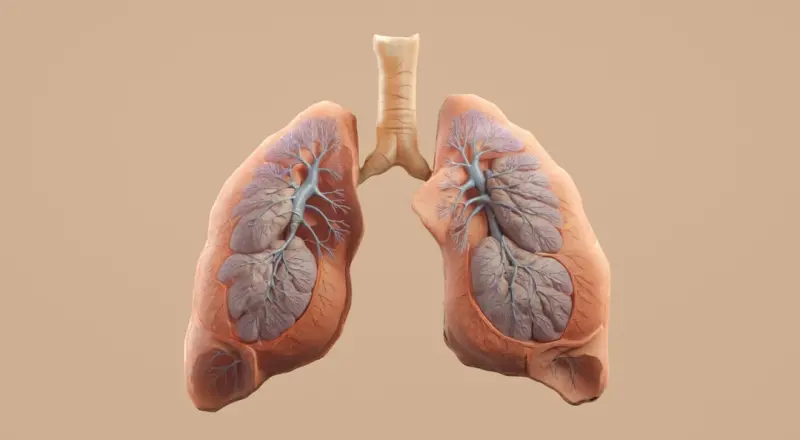
Why Breathwork Deserves a Seat at the Health Table
In a world that glorifies hustle and multitasking, the simple act of breathing often becomes an afterthought, yet scientific research shows that deliberate breathwork can recalibrate the nervous system, lower cortisol levels, and even improve vascular function; a single 10‑minute session of diaphragmatic breathing performed twice daily has been linked to measurable reductions in blood pressure and anxiety scores, making it a low‑cost, high‑impact tool for anyone seeking resilience against chronic stress. When you anchor your inhale to a count of four and exhale to a count of six, you engage the parasympathetic branch of the autonomic nervous system, which not only promotes relaxation but also facilitates better sleep architecture and more efficient glucose regulation, two pillars of long‑term metabolic health that are frequently overlooked in diet‑centric conversations. By integrating breath awareness into daily routines—whether while waiting in line, during a morning commute, or between client calls—you create micro‑moments of physiological reset that accumulate over weeks, turning what once felt like a fleeting mindfulness trend into a sustainable habit that silently supports immune function, mental clarity, and emotional balance.
The Science Behind the Breath: From Vagus Nerve to Cellular Health
At the core of breathwork’s transformative power lies the vagus nerve, a cranial conduit that stretches from the brainstem to abdominal organs, acting as a bidirectional communication highway that modulates inflammation, heart rate variability, and digestive processes; stimulating this nerve through slow, rhythmic breathing sends afferent signals that dampen the sympathetic “fight‑or‑flight” response, thereby curbing the release of pro‑inflammatory cytokines that are implicated in conditions ranging from arthritis to depression. Moreover, recent studies in epigenetics suggest that the mechanical stretch of the diaphragm during deep inhalations can influence gene expression related to antioxidant pathways, meaning that consistent breath practice may enhance the body’s intrinsic ability to combat oxidative stress at the cellular level, a benefit that dovetails with broader preventive health strategies. To put this into perspective, a randomized trial published in the Journal of Clinical Psychology demonstrated that participants who practiced a structured 5‑minute box‑breathing routine before bedtime experienced a 30% increase in overnight melatonin production, underscoring how a modest adjustment to breathing patterns can reverberate through hormonal cascades that govern sleep quality, mood regulation, and even weight management.
Practical Breathwork Techniques for Busy Lifestyles
For readers who feel pressed for time, the balanced nutrition mindset can be mirrored in a breathwork regimen that emphasizes consistency over duration; the 4‑7‑8 technique, pioneered by Dr. Andrew Weil, invites you to inhale for four seconds, hold for seven, and exhale for eight, creating a natural pause that activates the body’s relaxation response without requiring special equipment or a quiet studio. Another accessible method is the “box breathing” pattern favored by elite athletes and first responders, where you inhale, hold, exhale, and hold again each for an equal count—typically four seconds—forming a mental square that not only steadies the heart rate but also sharpens focus, making it an ideal pre‑meeting ritual or mid‑workout reset. Finally, the “coherent breathing” approach, which aims for a steady six breaths per minute (five seconds in, five seconds out), can be seamlessly woven into walking meetings or while commuting on public transit, offering a portable, science‑backed practice that lowers blood pressure, improves HRV, and cultivates a sense of grounded presence even amidst the bustle of urban life.
Integrating Breathwork with Nutrition and Movement
While breathwork shines as a standalone practice, its benefits amplify when paired with mindful eating and intentional movement; for instance, synchronizing the breath with each bite—inhale to appreciate aroma, exhale to swallow—encourages slower eating, which research links to improved satiety signaling and reduced caloric intake, a subtle yet powerful strategy for weight maintenance that complements the metabolic boosts derived from proper oxygenation during respiration. Similarly, combining diaphragmatic breathing with low‑impact activities such as yoga, tai chi, or even a gentle stretch routine creates a feedback loop where movement enhances lung capacity, and enhanced breathing, in turn, supplies muscles with richer oxygen, fostering greater flexibility, endurance, and recovery after workouts. By framing breath as the connective tissue between diet and exercise, you cultivate a holistic wellness framework where each pillar reinforces the others, turning routine actions into synergistic rituals that collectively fortify cardiovascular health, mental resilience, and overall vitality.
Digital Tools and Community Support for Sustained Practice
In the age of smartphones, technology can serve as an ally rather than a distraction when it comes to cultivating a regular breathwork habit; numerous apps now offer guided sessions, real‑time biofeedback, and reminders that help embed breathing exercises into daily schedules, while wearables equipped with respiratory rate sensors can alert you to moments of elevated stress, prompting an instant “reset” breath sequence before tension escalates. Beyond gadgets, community-driven initiatives—whether virtual breathing circles on social platforms or local wellness workshops hosted at community centers—provide accountability and shared learning experiences, echoing the collaborative spirit highlighted in the community health resources movement that emphasizes peer support as a catalyst for sustainable lifestyle change. By leveraging both digital prompts and human connection, you create a multilayered support system that not only reminds you to breathe but also celebrates each incremental improvement, reinforcing the habit loop and ensuring that breathwork remains a living, evolving part of your health narrative.
Addressing Common Misconceptions and Safety Considerations
Despite its accessibility, breathwork is sometimes misunderstood as a cure‑all or as a practice reserved for yoga studios, leading some individuals to either overdo it or dismiss it altogether; it is important to recognize that while deep, controlled breathing can mitigate stress and improve physiological markers, it does not replace medical treatment for chronic conditions, and those with severe respiratory disorders, cardiovascular issues, or a history of panic attacks should consult healthcare professionals before embarking on intensive breath protocols. Additionally, beginners may experience light‑headedness or tingling sensations during prolonged exhalations, which are typically harmless signs of altered carbon dioxide levels, yet they serve as a reminder to start slowly, maintain comfortable counts, and gradually increase session length as the body adapts. By demystifying these myths and emphasizing a balanced, evidence‑based approach, you empower readers to experiment with breathwork confidently, respecting their own limits while reaping the measurable benefits that rigorous scientific studies have consistently reported.
Measuring Progress: Metrics That Matter
One of the most rewarding aspects of a disciplined breathwork practice is the ability to track tangible improvements over time, turning an abstract habit into a data‑driven journey; key indicators such as resting heart rate, heart rate variability (HRV), and sleep quality can be monitored via smartwatches or dedicated health apps, providing objective feedback that correlates with consistent diaphragmatic breathing sessions. Moreover, simple self‑assessment tools—like the perceived stress scale or a daily mood journal—offer qualitative insights, allowing you to notice subtle shifts in emotional regulation, focus, and overall well‑being that may not be captured by biometric readings alone. By combining quantitative metrics with reflective notes, you create a comprehensive picture of how breathwork influences both physiological function and mental clarity, reinforcing motivation and highlighting areas for refinement as you continue to integrate this ancient practice into modern life.
Crafting a Personal Breathwork Blueprint
To translate the science and strategies outlined above into a sustainable habit, start by mapping out realistic entry points within your existing schedule—perhaps a two‑minute box breathing pause before your first Zoom call, a 5‑minute 4‑7‑8 session after lunch, and a 10‑minute coherent breathing routine before bedtime—ensuring that each slot aligns with natural transition moments that require a mental reset, thereby reducing resistance and enhancing adherence. Next, select a supportive environment, whether it’s a quiet corner of your home office, a park bench during a walk, or a designated stretch space at work, and pair the practice with sensory cues such as a calming scent, gentle lighting, or a simple mantra that anchors your attention, creating a Pavlovian link between the setting and the breathing habit. Finally, periodically revisit your progress using the metrics discussed, adjust the duration or technique based on how your body responds, and consider sharing your journey with a peer group or online community for mutual encouragement, turning a solitary exercise into a shared voyage toward heightened resilience, sharper cognition, and a more vibrant sense of self.

Related Posts

Micro‑Movement Moments: Tiny Bursts of Activity That Are Redefining Urban Wellness
Micro‑movement moments—brief, intentional bursts of activity—offer a practical, low‑cost way... Read More

Glow From Within: Harnessing Light Therapy to Supercharge Remote Work
A deep dive into how light therapy can realign circadian rhythms, lift mood, and sharpen focus for r... Read More

Why Microbreaks Are the New Fitness Trend
Microbreaks offer a powerful, science‑backed way to refresh mind and body. Learn practical steps t... Read More
Top Posts

Navigating Defamation in the Age of TikTok and Twitter
A fresh look at how social media reshapes defamation law, with actionable tips for individuals and brands to guard against reputational harm....Read More

Undiscovered Angling Hotspots Across Ontario’s Waters
A deep dive into Ontario’s quiet fishing locales, offering practical gear advice, seasonal insights, and stories that connect anglers with the province’s ri...Read More

Redefining Canadian Healthcare: A Human‑Centric, Data‑Driven Blueprint
A deep dive into Canada’s healthcare future, highlighting interoperable records, human‑first data, equitable telehealth, AI‑assisted triage, and strategie...Read More

Zero-Waste Gastronomy: Turning Scraps into Culinary Gold
A deep dive into the zero‑waste movement, showing how upcycled ingredients, innovative techniques, and community initiatives are reshaping kitchens and reduci...Read More
0 Comments
Post Comment
You will need to Login or Register to comment on this post!