

Reimagining Personal Health in the Age of Micro‑Wellness
When I first stepped into a corporate gym three years ago, the mantra on the wall was simple: “Move more, stress less.” It was a nice sentiment, but it felt like a one‑size‑fits‑all solution that ignored the nuance of real lives. Since then, I’ve watched the health conversation evolve from broad, generic advice to a more granular, data‑driven approach I like to call micro‑wellness. It’s the practice of tailoring tiny, sustainable health actions to the unique rhythms of each individual, and it’s quietly reshaping how we think about well‑being in both personal and professional spheres.
Why the Macro‑Approach Is Losing Its Edge
The old health model—think annual physicals, annual gym memberships, and once‑a‑year “wellness challenges”—relied on massive, infrequent interventions. The problem? Human behavior rarely aligns with yearly check‑ins. Motivation spikes, then fades. Life throws curveballs that a once‑a‑year plan can’t anticipate. As a result, many employees abandon corporate wellness programs after the novelty wears off, leaving both the individual and the organization with sunk costs.
Micro‑wellness flips the script. Instead of a single, monolithic plan, it delivers continuous, bite‑sized actions that can be woven into daily routines without causing disruption. It’s not about forcing a marathon on someone who prefers a brisk 10‑minute walk. It’s about identifying the smallest, most meaningful habit that can be repeated consistently and scaling it up over time.
Four Pillars of Micro‑Wellness
- Micro‑Movement – Short, intentional bursts of activity that total 5–10 minutes a day. Think stair‑climbing challenges, desk‑based stretches, or a quick yoga flow during a coffee break.
- Micro‑Nutrition – Simple tweaks like swapping a sugary snack for a handful of nuts, or adding a serving of vegetables to a lunchtime sandwich. The goal is to make healthier choices feel effortless.
- Micro‑Mindfulness – One‑minute breathing exercises, gratitude journaling, or a brief digital detox before bed. These practices address mental fatigue without demanding hours of meditation.
- Micro‑Metrics – Light‑weight data tracking using phone sensors or wearable devices, focusing on trends rather than raw numbers. The insight is to spot patterns, not to obsess over daily step counts.
How Technology Makes Micro‑Wellness Scalable
Modern health tech has finally caught up with the micro‑wellness philosophy. Wearables now offer continuous passive monitoring, sending subtle nudges when you’ve been sedentary for too long or when your sleep quality dips. Mobile apps can surface a single, context‑aware suggestion—like “Take a 5‑minute walk before your next meeting”—based on calendar data and real‑time activity.
One surprising source of inspiration comes from the shared tool library movement. Just as communities are learning to borrow power tools instead of buying them, workplaces can adopt a “borrow‑wellness” model where employees access a rotating menu of micro‑programs. Instead of a static gym membership, think of a catalog of 30‑second stretch videos, 2‑minute meditation audios, and 5‑minute nutrition tips that employees can check out when they need them.
Designing a Micro‑Wellness Ecosystem at Work
Implementing micro‑wellness isn’t about overhauling your entire benefits package overnight. It starts with three simple steps:
- Audit Current Touchpoints – Map where employees already pause during the day: coffee stations, meeting rooms, lunch areas. These are natural moments for micro‑interventions.
- Curate Micro‑Assets – Build a library of short, high‑impact resources. For example, a 60‑second video on “Desk Posture Reset,” a printable “Hydration Tracker,” or a 2‑minute podcast on stress‑busting breathing.
- Automate Delivery – Leverage existing communication tools (Slack, Teams) to push micro‑suggestions at the right time. A gentle nudge that says “Stand up and stretch – you’ve been seated for 45 minutes” can be far more effective than a generic wellness email sent once a month.
When these steps are combined, you create a living health ecosystem that adapts to the flow of work rather than forcing work to adapt to health initiatives.
Measuring Success Without the Data Overload
Traditional wellness programs love big, flashy metrics: total gym visits, number of participants in a 5‑k run, or average weight loss. While those numbers look good on a slide deck, they rarely tell the story of lasting behavior change. Micro‑wellness demands a new measurement mindset.
Focus on engagement frequency and habit formation rates. Are employees opting into micro‑stretch prompts three times per day? Are they consistently using the hydration tracker for at least two weeks? Small, repeatable actions are the leading indicators of long‑term health improvement. Over time, you’ll see a ripple effect: better sleep, reduced sick days, and higher overall productivity.
Real‑World Example: A Canadian Tech Firm’s Micro‑Wellness Rollout
Last quarter, a mid‑size tech company in Toronto piloted a micro‑wellness program in its downtown office. They introduced a “Wellness Pop‑Box” – a small kiosk that dispensed a rotating selection of micro‑activities: a QR code for a 3‑minute mindfulness audio, a deck of stretch cards, and a fresh fruit snack. Employees could choose what fit their schedule in that moment.
Within eight weeks, the company reported a 27% increase in self‑reported energy levels during the afternoon slump, and a 15% drop in the number of days taken off for “stress‑related” reasons. The success wasn’t in massive infrastructure changes but in giving people the freedom to pick a micro‑action that resonated with them at the moment they needed it most.
Overcoming Common Barriers
Even the best‑designed micro‑wellness program can stumble if it runs into cultural resistance. Here are the three most common roadblocks and how to clear them:
- Perception of “Micromanagement” – Employees may feel a nudge is intrusive. Mitigate this by allowing opt‑outs and letting users set their own frequency preferences.
- Lack of Personal Relevance – One‑size‑fits‑all prompts fall flat. Use simple surveys or AI‑driven personalization to match micro‑activities to individual interests (e.g., a runner prefers a short cardio burst, while a designer may favor a visual relaxation exercise).
- Resource Fatigue – Too many suggestions can overwhelm. Keep the library lean, rotating new content monthly so that the experience stays fresh without becoming noisy.
Future Trends: From Micro‑Wellness to Micro‑Medicine
As wearables become more clinical‑grade, the line between wellness and medicine will blur. Imagine a future where a subtle vibration on your smartwatch not only reminds you to stand but also alerts you to early signs of hypertension, prompting a micro‑intervention like a 5‑minute breathing exercise before your blood pressure spikes. This convergence will amplify the power of micro‑wellness, turning it into a proactive health shield that intervenes before problems become serious.
For now, the most important step is to start small. Encourage your team to pick one micro‑movement, one micro‑nutrition tweak, and one micro‑mindfulness habit to try for a week. Celebrate the wins, iterate based on feedback, and watch as these tiny actions compound into a healthier, more resilient workforce.

Related Posts

The AI Coach Revolution: Personal Health Guidance at Your Fingertips
Explore how AI-driven health coaches transform raw biometric data into real‑time, personalized wel... Read More
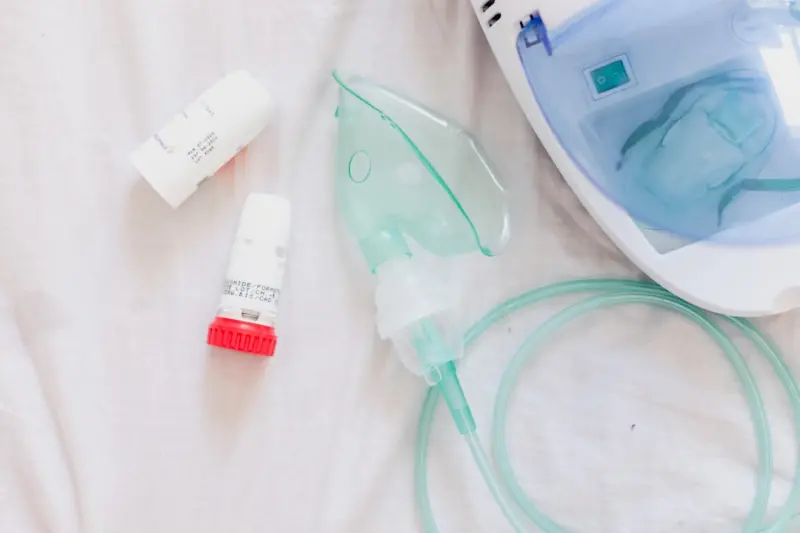
Breathe Better at Home: A Practical Guide to Clean Indoor Air
Indoor air quality often goes unnoticed, yet it profoundly impacts sleep, immunity, and respiratory ... Read More
Unlocking Calm: How Simple Breathwork Transforms Modern Health
Learn how a few minutes of mindful breathing each day can lower stress, sharpen focus, and foster co... Read More
Top Posts
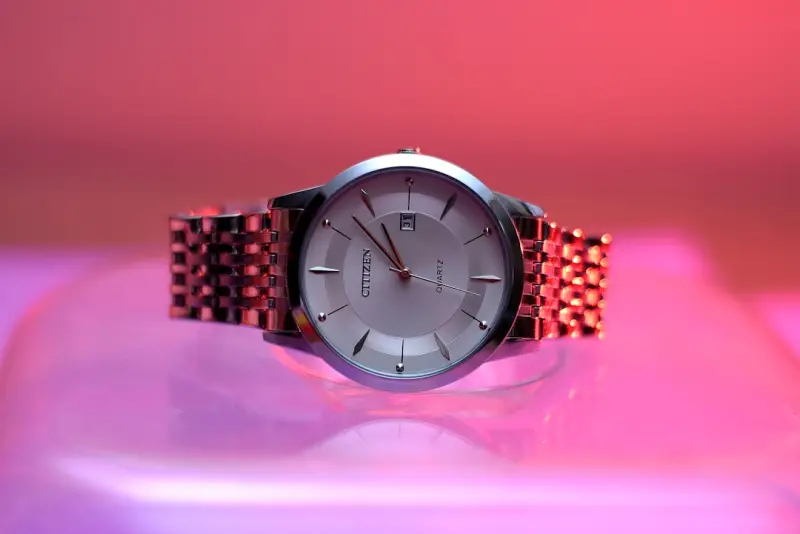
When Your Wristwatch Becomes a Therapist: The Quiet Revolution of Wearable Stress Tech
Wearable stress‑tracking devices are turning everyday moments into opportunities for mindfulness, using AI‑driven insights to deliver personalized, real‑t...Read More

The Unseen Struggles of Rural Parenting: A Call for Support and Understanding
Rural parents face unseen struggles, from limited access to healthcare to isolation. Learn how we can support and uplift these communities....Read More

Fishing with a Conscience: Sustainable Practices on Ontario’s Lakes and Rivers
Discover how to fish responsibly in Ontario with sustainable gear, catch‑and‑release techniques, and community initiatives that keep our lakes thriving for ...Read More

Beyond the Horizon: Turning Cruises and Bus Tours into Innovation Labs
Explore a proven framework that turns cruises and bus tours into high‑impact innovation labs, boosting idea generation, cross‑functional collaboration, and ...Read More
0 Comments
Post Comment
You will need to Login or Register to comment on this post!