

When I first set foot in a cramped alley of Osaka’s Shinsekai, I wasn’t looking for the neon spectacle or the famous street food stalls. I was hunting the tiny, family‑run shop that sold hand‑painted washi paper, the sort of place you’d miss if you were cruising the main tourist arteries. That moment sparked a shift in my travel philosophy: the real magic lives in the micro‑neighborhoods that sit just off the beaten path. Today, I’m calling that approach Micro‑Neighborhood Adventures—a travel mindset that rewrites the playbook for authentic discovery.
Why the Macro Tourist Trail Is Losing Its Luster
For decades, travel guides have championed “must‑see” landmarks: the Eiffel Tower, the Grand Canyon, Machu Picchu. While these icons are undeniably awe‑inspiring, the relentless influx of visitors has turned many into crowded showcases. The experience is increasingly spectator‑like: you stand behind a sea of selfie sticks, listening to a recorded narration that feels generic.
Meanwhile, the rise of remote work, flexible vacation policies, and a growing desire for purpose‑driven experiences has created a perfect storm. Travelers now have the time, resources, and curiosity to dig deeper. They want stories that can’t be found on a typical itinerary, connections that feel personal, and moments that linger long after the trip ends.
The Core Principles of Micro‑Neighborhood Adventures
- Scale Down, Look Up. Instead of a city‑wide checklist, focus on a single block, a market street, or a historic quarter. Observe the rhythm of daily life, from the morning coffee ritual to the evening market chatter.
- Engage Locally. Seek out resident‑run businesses, community events, and local artisans. These interactions often lead to unexpected insights and friendships.
- Walk, Not Ride. On foot, you notice textures, smells, and sounds that a car or bus would drown out. It also lets you stumble upon hidden courtyards, mural alleys, and quiet cafés.
- Leave a Light Footprint. Micro‑neighborhood travel naturally aligns with sustainable practices: shorter distances, lower carbon emissions, and support for small‑scale economies.
Designing Your Micro‑Neighborhood Itinerary
Creating a micro‑neighborhood itinerary is surprisingly simple. Here’s a step‑by‑step framework I use for every trip:
- Choose a Hub. Pick a city or region that intrigues you. This is your anchor point.
- Map Micro‑Zones. Use a detailed city map (Google Maps, OpenStreetMap, or a paper map) to highlight neighborhoods less frequented by tourists. Look for historic districts, university quarters, or emerging art zones.
- Research Community Calendars. Local event listings, municipal websites, or neighborhood Facebook groups often advertise markets, festivals, or workshops. Align your visit with these events for richer immersion.
- Identify Local Hosts. Platforms like Airbnb Experiences, local tourism boards, or even Instagram influencers can connect you with resident guides who know the hidden gems.
- Plan Flexible Time Blocks. Allocate 2‑4 hours per micro‑zone, leaving room for serendipity. Avoid rigid schedules; let the neighborhood dictate the pace.
Case Study: A Day in the Marais, Paris
Most travelers spend a few hours at the Louvre and then dash to the Eiffel Tower. I chose to spend an entire morning in the Marais—a historic district often overlooked in favor of larger attractions.
First, I stopped at a tiny boulangerie tucked behind a vintage bookstore. The baker, a third‑generation artisan, taught me how to shape a perfect croissant while sharing stories about the neighborhood’s WWII history. Next, I wandered to a community garden where locals cultivated heirloom vegetables—an unexpected encounter that sparked a conversation about urban agriculture in Paris.
Later, I joined a pop‑up poetry slam at a modest café. The attendees were a mix of students, retirees, and expatriates, each offering a snippet of Parisian life that no guidebook could capture. By the time I left, I’d collected not only a handful of freshly baked croissants but also a sense of belonging that far outweighed any iconic landmark photo.
Tech Meets the Tiny Street: Leveraging Data Without Losing Soul
It would be a mistake to assume micro‑neighborhood travel is a purely analog pursuit. Data can still enhance the experience—when used responsibly. For instance, the data‑driven journeys movement shows how analytics can personalize macro‑scale tours. Similarly, we can apply lightweight data tools to identify emerging neighborhoods, track local events, or even gauge foot traffic patterns to avoid unintentionally crowding a hidden gem.
However, the key is to let the data inform, not dictate, your adventure. Use open‑source datasets, community dashboards, and crowd‑sourced reviews as starting points, then rely on your senses and conversations to shape the final path.
Micro‑Neighborhoods and the Ethics of Travel
When you step into a tight‑knit community, you become a temporary participant in its daily rhythm. This brings ethical considerations:
- Respect Privacy. Not every resident wants a photo taken or a story shared online. Ask before you document.
- Support Local Economy. Choose to spend on locally owned businesses rather than multinational chains.
- Leave No Trace. Small neighborhoods can feel the impact of tourism more acutely. Keep noise low, dispose of waste responsibly, and be mindful of cultural norms.
These principles echo the spirit of regenerative tourism, yet focus on the granular scale of a block or a street corner.
The Business Angle: Why Brands Should Embrace Micro‑Neighborhood Travel
Travel agencies, hospitality firms, and destination marketers often chase the big‑ticket attractions. Yet there’s a growing market segment—millennial and Gen‑Z travelers—who crave authenticity over grandeur. By curating micro‑neighborhood experiences, brands can:
- Differentiation. Offer unique itineraries that stand out from generic city tours.
- Higher Margins. Small‑group, boutique experiences can command premium pricing.
- Community Partnerships. Build lasting relationships with local entrepreneurs, creating a sustainable ecosystem.
Moreover, leveraging technology to match travelers with micro‑neighborhood packages—think AI‑crafted itineraries that factor in personal interests and real‑time event feeds—can turn this niche into a scalable product line.
Practical Tips for the First‑Timer
- Pack Light. A small backpack encourages mobility and lets you slip into tight alleys without drawing attention.
- Learn Basic Phrases. Even a few words in the local language can open doors and signal respect.
- Carry Cash. Many micro‑businesses prefer cash; a small amount can be a lifesaver.
- Stay Flexible. Weather, local events, or unexpected closures can alter plans—embrace the change.
- Document Thoughtfully. Instead of a flood of photos, pick one or two moments that truly capture the vibe, and consider writing a short reflection for each micro‑zone.
Future Trends: Micro‑Neighborhoods in a Post‑Pandemic World
The pandemic accelerated a shift toward “slow travel” and localized experiences. As borders reopen, travelers are less inclined to cram multiple famous sites into a short trip. Instead, they opt for longer stays in fewer places, allowing deeper immersion. This trend dovetails perfectly with micro‑neighborhood adventures, where a week‑long stay can yield a tapestry of stories across multiple blocks.
We’ll also likely see an emergence of “micro‑neighborhood passports”—digital badges awarded by local chambers of commerce when travelers visit a set of curated spots, encouraging repeat visits and fostering community pride.
Conclusion: The Power of the Small
Travel, at its core, is about connection—between people, places, and moments. By shrinking our focus from citywide checklists to the intimate scale of a single neighborhood, we reclaim that connection. The streets become classrooms, the cafés become studios, and every handshake becomes a story.
So the next time you plan a getaway, ask yourself: What if I spent a day getting lost in a neighborhood instead of racing across a city? The answer might just be a richer, more resonant travel memory that no guidebook can replicate.

Related Posts

The Rise of Purpose‑Driven Microadventures
A fresh look at travel trends reveals that short, purposeful trips powered by technology, sustainabl... Read More

Travel NFTs: Unlocking Exclusive Experiences and Community Ownership
Travel NFTs are turning trips into tokenized experiences that grant exclusive access, community owne... Read More

Beyond the Lens: Crafting a Sensory Travel Experience
Travel becomes a richer, more immersive adventure when you engage all five senses. This article expl... Read More
Top Posts
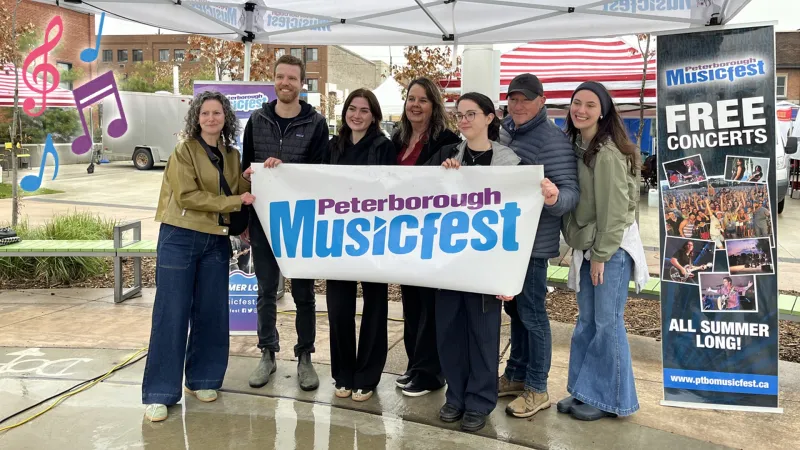
Peterborough Musicfest Amplifies Summer Lineup with New Acts Across Genres
Peterborough Musicfest, the beloved free summer concert series held in the heart of downtown Peterborough, Ontario, is gearing up for another unforgettable seas...Read More

The Real Price Tag of a “Smart” Home
Smart home devices promise convenience, but hidden fees, subscription traps, and extra energy use can silently raise your monthly expenses. Learn how to budget ...Read More

Cashback Mastery: Turn Everyday Purchases into Savings Superpowers
Learn the art of stacking cashback, coupons, and smart timing to transform everyday spending into a powerful savings engine, all from a savvy shopper’s perspe...Read More

National Cyber Resilience: Turning Threats into Growth for Canadian Enterprises
This article outlines a three‑pillar national cyber resilience framework—policy, technology, and talent—and shows how Canadian enterprises can transform s...Read More
0 Comments
Post Comment
You will need to Login or Register to comment on this post!