

Beyond the Big Screen: How Canada Is Redefining Interactive Entertainment
When I first stepped into a pop‑up “escape room” hidden behind a vintage record store in downtown Toronto, I expected the usual puzzle‑clichés. What I got instead was a kinetic blend of live performance, projection mapping, and a soundtrack that responded to every door I opened. It was a clear signal: Canadian entertainment is no longer content with passive consumption. From indie game collectives in Vancouver to augmented‑reality street festivals in Montreal, creators are weaving technology, community, and cultural heritage into experiences that demand participation.
The Rise of Immersive Pop‑Up Venues
Immersive pop‑ups have exploded across the country over the past few years. What sets them apart from traditional installations is their temporary nature—often lasting just a few weeks—combined with a deep integration of local art, music, and storytelling. In Calgary, a former grain silo was transformed into a “light forest” where visitors navigated glowing pathways while local Indigenous drummers narrated creation myths through hidden speakers. In Halifax, a shipping container turned into a “retro arcade lounge” where classic Canadian sitcoms played on vintage CRTs while gamers competed in a live tournament of Streets of Rage remixes.
These venues thrive on a few key principles:
- Location‑Specific Narrative: Each pop‑up draws on the history and vibe of its host neighbourhood, turning a simple space into a living museum.
- Cross‑Disciplinary Collaboration: Artists, technologists, musicians, and chefs team up, blurring the lines between performance and product.
- Social Media Amplification: Because they’re fleeting, attendees feel compelled to share the experience online, creating a viral loop that fills the venue faster than any traditional advertising budget could.
For marketers, the lesson is clear: authenticity paired with scarcity fuels engagement. As audiences crave deeper connections, these pop‑ups become a proving ground for testing new formats that can later be scaled to larger festivals or even virtual platforms.
Gaming as Cultural Export
Canada’s indie game scene is quietly becoming one of the world’s most influential cultural exporters. Studios in Ottawa and Winnipeg are developing games that weave regional folklore into mechanics—think a platformer where you chase the legendary Wendigo across a pixelated boreal forest, or a narrative adventure set in a 1970s Toronto disco scene. These titles not only attract global players but also serve as digital ambassadors for Canadian heritage.
What makes this movement unique is the focus on local storytelling rather than chasing mainstream tropes. Funding bodies such as the Canada Media Fund have begun allocating grants specifically for projects that highlight under‑represented voices, including Indigenous and Francophone creators. The result is a diverse portfolio of games that feel both globally accessible and unmistakably Canadian.
Beyond pure entertainment, these games are becoming educational tools. Schools in British Columbia have integrated a historically accurate simulation of the 1919 Winnipeg General Strike into social studies curricula, allowing students to experience the tension of that era through interactive decision‑making. This blend of fun and learning underscores the broader trend: entertainment is a conduit for cultural conversation.
Live‑Streamed Festivals: From Streets to Screens
The pandemic forced many festivals to go virtual, but the most successful ones didn’t simply broadcast performances—they reimagined the festival experience for the digital realm. Toronto’s Electric Summer series, for example, paired live DJs with real‑time visualizers that responded to audience chat emojis, turning viewer reactions into dynamic light shows. Meanwhile, the Vancouver International Jazz Festival introduced “virtual backstage rooms” where fans could mingle with musicians in a 3‑D lounge, ask questions, and request songs on the fly.
These innovations are not just stop‑gap measures; they’re expanding the geographic reach of Canadian entertainment. A fan in Saskatoon can now “attend” a Montreal street performance without leaving their living room, and a Toronto indie band can sell tickets to a live‑stream audience in Japan with a simple click. The revenue models are evolving too—subscriptions, virtual merch drops, and NFT‑based backstage passes are emerging as viable streams that complement traditional ticket sales.
Integrating Culinary Adventures into Entertainment
Food has always been a central thread in Canada’s cultural tapestry, and now it’s being woven directly into entertainment events. Imagine a midnight concert where each song is paired with a tasting menu curated by a local chef, or a theatre production where the audience receives a custom‑crafted cocktail that mirrors the protagonist’s emotional arc. This fusion is gaining traction, especially in urban hubs where audiences are hungry for multisensory experiences.
One standout example is the Winter Food Halls movement, which originally celebrated indoor marketplaces. Some organizers have taken the concept further, turning pop‑up food halls into “taste‑theatre” venues where chefs collaborate with musicians to create a narrative through flavor. Attendees might start with a bitter aperitif representing a protagonist’s conflict, then move to a sweet dessert symbolizing resolution.
This approach does more than delight the palate; it opens new sponsorship opportunities for brands seeking to align with immersive storytelling. Beverage companies, for instance, can develop limited‑edition drinks that are only available during a specific show, driving both hype and sales.
Indigenous Storytelling in the Digital Age
Indigenous creators are leveraging VR and AR to bring traditional stories to new audiences. In a recent project in Nunavut, a team of Inuit artists worked with technologists to build a VR experience that transports users onto the tundra, where they can witness the creation of the Aurora Borealis through an oral legend narrated in Inuktitut. The experience has been showcased at major tech conferences and cultural festivals alike, earning accolades for its respectful integration of language, art, and technology.
Beyond VR, podcasts are emerging as a powerful platform for Indigenous voices. Shows that blend storytelling with contemporary issues—like climate change in the North—are gaining national attention. These podcasts often partner with schools and community centers, providing both entertainment and educational resources.
Future Trends: What’s Next for Canadian Entertainment?
Looking ahead, three trends seem poised to shape the next wave of Canadian entertainment:
- Hybrid Physical‑Digital Events: As venues reopen, expect more events that blend in‑person attendance with live‑stream components, allowing audiences to choose how they engage.
- Data‑Driven Personalization: Organizers will increasingly use attendee data to tailor experiences—think custom setlists based on streaming habits or personalized AR overlays that respond to a user’s location within a venue.
- Sustainable Production Practices: From low‑energy lighting rigs to biodegradable stage props, sustainability is becoming a non‑negotiable criterion for both creators and audiences.
These trends aren’t isolated; they intersect with broader shifts in technology, culture, and consumer expectations. For anyone looking to stay ahead in the Canadian entertainment space—whether you’re a festival promoter, a game developer, or a brand marketer—the key will be to embrace collaboration, experiment boldly, and keep the audience’s sense of wonder at the forefront.
Takeaway: Embrace the Playful Frontier
Canada’s entertainment landscape is no longer defined by the traditional pillars of film and television alone. It’s a vibrant playground where pop‑up installations, indie games, live‑streamed festivals, culinary theater, and Indigenous digital storytelling coexist and cross‑pollinate. By championing authenticity, leveraging technology, and fostering community, creators are turning every street corner, warehouse, and screen into a stage for shared experience.
If you’re a brand looking to tap into this momentum, start by asking: How can my story be told in a way that invites participation? The answer may lie in a pop‑up that serves a bespoke cocktail, a game that teaches history, or a VR journey that honors an ancient legend. In a country as diverse and innovative as Canada, the possibilities are endless—and the audience is ready to play.

Related Posts
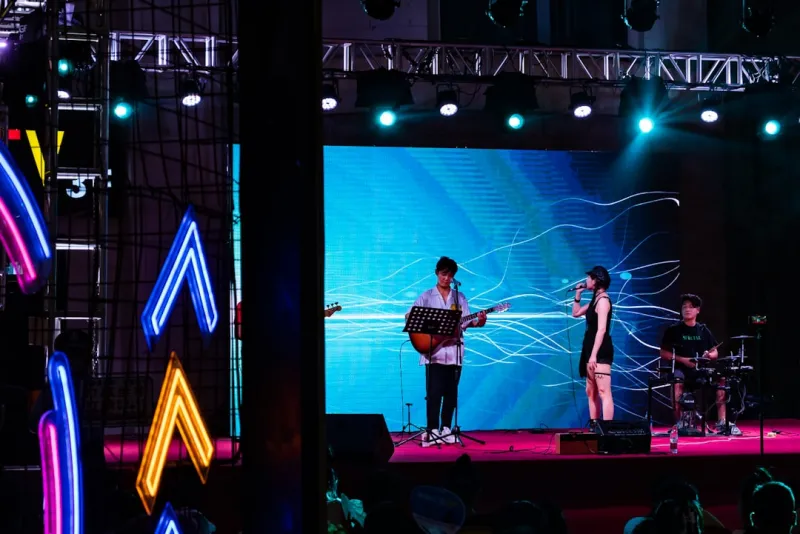
The Vibrant Pulse of Canadian Summer Entertainment
Discover how Canada’s summer bursts with music festivals, waterfront experiences, and road‑trip ... Read More

Immersive Storytelling: The Next Wave in Canadian Entertainment
Immersive storytelling is redefining how Canadians experience drama, music, and culture, merging tec... Read More
Why Canada’s Audio Storytelling Scene Is Tuning In to Global Audiences
Canadian creators are turning microphones into cultural beacons, forging a vibrant audio‑first ent... Read More
Top Posts

Charting Uncharted Waters: Hybrid Day‑Trip Bus Expeditions That Redefine the Cruise Prelude
Hybrid day‑trip bus expeditions blend personalization, local partnerships, and tech to transform idle pre‑cruise hours into unforgettable experiences, drivi...Read More

Unlocking Growth: How Remote‑First Strategies, Ethical Data, and Circular Thinking Redefine Modern Business
Explore the future of business with remote‑first mindsets, ethical data revenue, and circular economy tactics that drive growth and sustainability....Read More

Parental Warning: The Subtle Addiction Built Into Kids’ Learning Apps
A deep dive into the psychological tricks behind gamified learning platforms, revealing how reward loops can foster addiction in children and offering practical...Read More
Parental Warning: Navigating the Digital Minefield with Smarts and Heart
Learn how to safeguard your children from unseen digital dangers using clear contracts, chrono‑smart eating, functional foods, and empowered storytelling....Read More
0 Comments
Post Comment
You will need to Login or Register to comment on this post!