
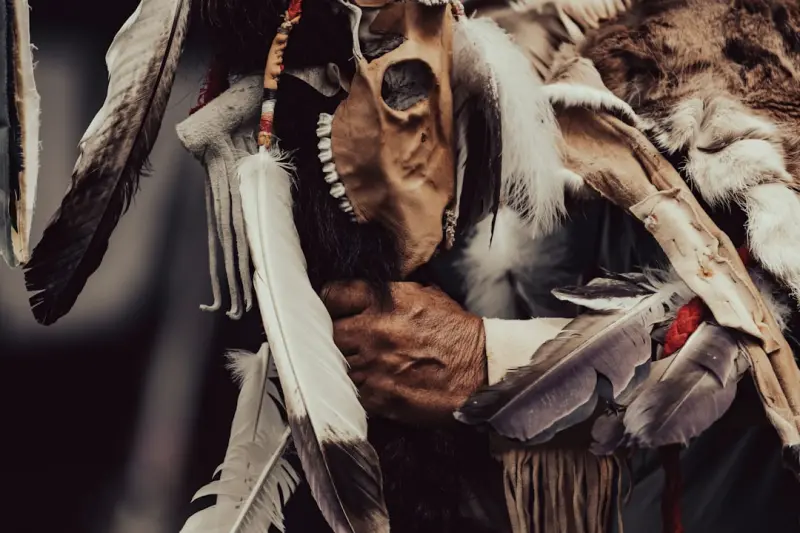
Why Indigenous Wisdom Is No Longer a Footnote in Canadian Healthcare
For decades, the Canadian health system has been lauded for its universal coverage, yet many patients in remote and underserved communities still encounter gaps that standard protocols simply cannot bridge; these gaps often stem from cultural dissonance, language barriers, and a lingering mistrust of institutions that have historically overlooked Indigenous worldviews. Integrating Indigenous healing practices into mainstream care is emerging as a transformative solution, not a token gesture, because it acknowledges that health is a holistic experience encompassing spirit, land, and community. By honoring the teachings of Elders alongside evidence‑based medicine, we are beginning to see a model where patients feel seen, heard, and genuinely cared for, reshaping outcomes across the nation.
The Roots of Healing: From Sacred Fires to Modern Clinics
Indigenous health traditions are anchored in relationships with the land, seasonal cycles, and communal rituals, where a sweat lodge ceremony or a herbal tea brewed from locally foraged plants can be as therapeutic as a prescription; these practices are not merely complementary but are integral to the community’s definition of wellness. Modern clinics in places like Nunavut and the Yukon are piloting programs that invite traditional healers into treatment rooms, allowing patients to choose a pathway that aligns with their cultural identity while still accessing advanced diagnostics. This collaborative approach respects the sovereignty of Indigenous knowledge and challenges the biomedical model to expand its definition of efficacy.
Digital Innovation Meets Ancestral Insight
Technology is accelerating this partnership in unexpected ways; for example, the same digital twins and Indigenous knowledge framework used in agriculture is being repurposed to map community health trends, creating virtual replicas of ecosystems that predict how environmental changes will affect chronic disease patterns. These digital twins enable health planners to simulate the impact of introducing a traditional healer into a primary‑care team, forecasting outcomes such as reduced hospital readmissions and improved mental‑health metrics. By marrying data‑driven insights with time‑honored wisdom, we gain a richer, more responsive health infrastructure that can adapt to both climate shifts and cultural needs.
Community Health Navigators: The Bridge Builders
One of the most effective mechanisms for integrating Indigenous practices is the employment of community health navigators—individuals who are fluent in both Western medical terminology and Indigenous languages, and who understand the spiritual underpinnings of health within their communities. These navigators serve as cultural translators, ensuring that a physician’s recommendation to take a medication is complemented by a discussion of traditional plant remedies, thereby fostering trust and adherence. Their presence has been linked to higher vaccination rates and earlier detection of conditions like diabetes, because patients feel empowered to discuss concerns without fear of dismissal.
Redefining Mental Health Through Land‑Based Therapy
Recent research underscores the profound impact of land‑based therapy on mental wellbeing, a practice that involves guided walks, canoe trips, and storytelling sessions in natural settings; these experiences reconnect individuals with ancestral territories, grounding them in a sense of purpose and belonging. This approach dovetails with the principles outlined in Walking Your Way to Mental Resilience, emphasizing movement as a pathway to emotional balance, but it extends the concept beyond urban parks into sacred landscapes that hold cultural significance. When mental‑health professionals partner with Indigenous guides, they can co‑create treatment plans that harness the restorative power of nature, reducing reliance on medication alone.
Policy Shifts: From Consultation to Co‑Creation
Policy frameworks are evolving from a model of merely consulting Indigenous groups to one of genuine co‑creation, where health authorities and Indigenous leadership draft protocols together, ensuring that traditional practices are codified within provincial health plans. This shift is reflected in recent amendments to the Canada Health Act, which now require documented collaboration with Indigenous health boards for funding eligibility. By institutionalizing these partnerships, the system moves away from ad‑hoc accommodations toward a sustainable, mutually respectful infrastructure that can scale across provinces while preserving local uniqueness.
Success Stories: Clinics That Are Leading the Way
Across the country, several pioneering clinics illustrate the tangible benefits of this integrated model; the Northern Healing Centre in Manitoba, for instance, offers a blended schedule where patients receive physiotherapy alongside smudging ceremonies, reporting a 30% increase in patient satisfaction scores. In British Columbia, a partnership between a Vancouver hospital and the Haida Nation introduced a program where traditional dietitians work alongside registered dietitians to address hypertension through culturally relevant meals, leading to measurable drops in blood pressure among participants. These case studies demonstrate that when Indigenous wisdom is treated as an asset rather than an afterthought, health outcomes improve for everyone involved.
Challenges and the Road Ahead
Despite promising advances, barriers remain, including limited funding for traditional practitioner certifications, regulatory uncertainties surrounding the use of herbal medicines, and lingering skepticism among some Western-trained clinicians; overcoming these obstacles requires ongoing education, transparent research, and a commitment to equitable resource allocation. Moreover, data sovereignty is a critical concern, as communities must retain control over health information derived from digital twins and other analytics tools. Addressing these challenges head‑on will ensure that the integration of Indigenous healing is not a fleeting trend but a durable pillar of Canada’s health future.
What This Means for You, the Reader
Whether you are a health professional, a policy maker, or simply a citizen invested in the well‑being of your neighbours, embracing this collaborative model invites you to rethink what constitutes effective care; it urges you to listen to the stories of Elders, to value the land as a therapeutic partner, and to support initiatives that fund community‑driven health solutions. By championing a health system that honors both scientific rigor and ancestral knowledge, we pave the way for a healthier, more inclusive Canada—one where every person can access care that resonates with their identity and lived experience.

Related Posts

Beyond Brick-and-Mortar: How Virtual Care is Redefining Rural Health in Canada
Virtual clinics are reshaping rural health in Canada, offering same‑day appointments, AI‑driven ... Read More

How Telehealth is Transforming Rural Communities in Canada
Telehealth is bridging the gap for Canada’s remote communities, delivering specialist care, cost s... Read More
Reimagining Mental Health Care in Canadian Workplaces
Canadian employers are turning to clinically validated digital therapeutics to address rising mental... Read More
Top Posts

The Unseen Struggles of Rural Parenting: A Cry for Help
Rural parenting is a unique challenge that requires a comprehensive approach to address. Learn about the unseen struggles of rural parents and the importance of...Read More

Beyond the Duty: Building Resilient SaaS Strategies Around Tariff Uncertainty
Tariffs are no longer a simple cost line‑item for SaaS businesses. This post explores how to map exposure, forecast duties, partner locally, and embed tariff ...Read More
Dynamic SaaS Pricing Playbook for Value‑Driven Discounts
Learn a data‑driven pricing playbook that replaces blanket discounts with predictive nudges, modular bundles, and usage‑based credits—delivering real cost...Read More
Unlocking Everyday Immunity: Simple Practices That Supercharge Your Health
A practical guide to everyday habits—breathing, micro‑movement, microbiome nutrition, sleep hygiene, and social connection—that together build a stronger ...Read More
0 Comments
Post Comment
You will need to Login or Register to comment on this post!