
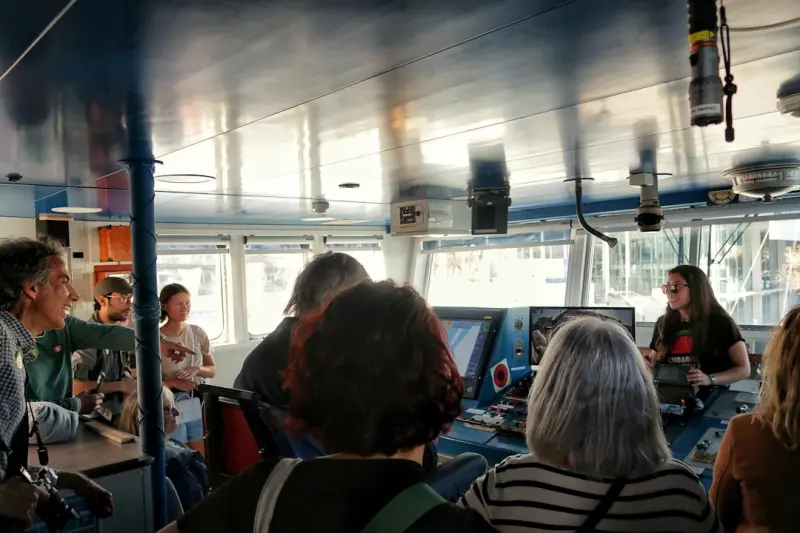
There’s a subtle magic that unfolds when a ship’s horn fades into the horizon and a coach’s engine hums along a winding coastline. It’s not just about reaching a destination; it’s about the spaces in‑between, the conversations that blossom over a shared sunset, and the way the rhythm of travel reshapes our inner compass. As someone who’s spent more than a decade hopping between decks and bus decks, I’ve learned to read these moments like a seasoned captain reads the sea—by feeling the currents rather than charting them on a map.
Why the “Middle” of a Journey Matters More Than the Endpoints
Most travel guides will tell you to “see the sights” and “check the must‑see attractions off your list.” That mindset turns a cruise or a bus tour into a checklist, stripping away the serendipity that makes these experiences memorable. The real treasure lies in the interstitial moments—the lull between ports, the quiet lullaby of a bus’s air‑conditioner, the shared laughter over a mispronounced foreign phrase.
When you allow yourself to be present in those pauses, you start to notice the subtle choreography of group dynamics: a child’s awe at a deck’s railing, a senior’s quiet appreciation of the ship’s galley aromas, or a couple’s whispered plans for the next stop. These are the moments that stitch together the narrative of a trip, turning a series of locations into a cohesive story.
Designing Sensory‑Rich Voyages: From Deck to Road
Modern travelers crave experiences that engage more than just their sight. They want to taste, smell, hear, and even feel the environment around them. Here’s how cruise lines and bus operators are stepping up to meet that desire, and how you can make the most of it:
- Flavorful Horizons: Many cruise ships now feature pop‑up culinary stations that change with each port. Think of it as a data‑driven flavor pairing approach, but for travelers: menus are crafted based on regional harvests and real‑time guest feedback, turning each meal into a mini‑adventure.
- Ambient Soundscapes: Bus tours in scenic regions are experimenting with curated playlists that echo local music traditions, while some cruise decks employ subtle wave‑like sound installations that enhance the feeling of being at sea even when you’re on a mezzanine.
- Tactile Touchpoints: From textured wall panels that mimic the roughness of a coastal cliff to hand‑crafted wooden railings that invite a gentle grip, designers are weaving tactile cues into the journey, making the environment feel more alive.
Community‑Centric Travel: The Social Engine of Group Tours
One of the most rewarding aspects of traveling with a group—whether on a luxury liner or a vintage coach—is the organic sense of community that forms. Unlike solo travel, where the narrative is inward‑focused, group travel forces you to negotiate space, share stories, and build connections that often outlast the trip itself.
Take a look at how some operators are deliberately fostering this community spirit. A recent trend sees tour organizers partnering with local artisans to host “story circles” on deck or at the back of the bus, where travelers exchange personal anecdotes while learning about regional folklore. This mirrors the ethos of community‑driven pop‑ups in the food world—creating a shared space where people feel both seen and heard.
Health on the Move: From Reactive to Proactive Travel Wellness
Long days at sea or on the road can take a toll on the body, especially when schedules shift across time zones. The newest wave of travel health strategies is moving from a reactive mindset—treating fatigue after it appears—to a proactive one that anticipates and mitigates it before it disrupts the experience.
Many cruise lines now offer on‑board wellness hubs that blend traditional physiotherapy with technology‑enabled monitoring, a concept reminiscent of the predictive health networks emerging in Canadian healthcare. Bus tours are catching up, too; some long‑haul coaches provide adjustable lumbar supports and schedule micro‑stretch breaks, encouraging passengers to stay limber without missing scenic viewpoints.
Proactive wellness isn’t just about physical health. Mental clarity is just as crucial. Guided meditation sessions at sunrise, group journaling circles, and even simple “digital detox” periods—where the ship or coach announces a collective phone‑free hour—help travelers stay mentally refreshed and fully immersed.
Storytelling on the Go: Crafting a Personal Travel Journal
One of the most underutilized tools on any voyage is the humble travel journal. When you’re surrounded by peers and new cultures, the temptation to capture moments in a digital feed is strong, yet the tactile act of writing can anchor memories more firmly.
Here’s a simple framework to turn your cruise or bus adventure into a narrative you’ll want to revisit:
- Anchor Prompt: At the start of each day, jot down a single word that captures the day’s vibe—“whispers,” “buzz,” “salt.”
- Sensory Snapshot: List three senses that stood out—e.g., the citrus scent of a shore market, the feel of a deck rail under a sun‑warmed hand, the distant call of a gull.
- Conversation Nugget: Capture a snippet of dialogue you overheard or participated in. It could be a local’s anecdote or a fellow traveler’s reflection.
- Reflection Ripple: End with a short reflection on how the day’s experiences shifted your perspective, however subtly.
When you compile these daily entries, you’ll notice a pattern: the journey becomes less about ticking boxes and more about weaving a tapestry of lived moments, each thread contributing to a richer whole.
The Rise of Thematic Bus Tours: From Niche to Mainstream
While cruises have long embraced themed itineraries—think “wine tasting at sea” or “ancient ruins exploration”—bus tours are now catching up with highly curated experiences that cater to niche interests. Some examples include:
- Literary Trails: A coach winds through towns that inspired famous authors, stopping at historic cafés where they penned their masterpieces.
- Eco‑Adventure Routes: Guided by local conservationists, travelers explore protected habitats, learning about biodiversity while minimizing their footprint.
- Gastronomic Roadways: Instead of generic “food stops,” these tours partner with farms and micro‑breweries, offering hands‑on cooking demos and farm‑to‑table tastings.
These thematic tours are the travel industry’s answer to the growing demand for depth over breadth. By focusing on a single passion, they attract travelers who are eager to immerse themselves fully, creating a more engaged and enthusiastic group dynamic.
Balancing Luxury and Authenticity: The New Paradox
Travelers today want the comfort of high‑end accommodations without feeling like they’re in a bubble. This paradox is prompting operators to blend opulent amenities with authentic local experiences. For instance, a cruise might feature a spa that uses locally sourced seaweed and minerals, while a bus tour could offer boutique hotels that are historic homes rather than generic chain properties.
The key is transparency—clearly communicating where the luxury ends and the authenticity begins. When guests understand that a plush lounge is built on reclaimed wood from a nearby forest, or that a gourmet dinner includes a dish prepared by a local chef, the experience feels both indulgent and genuine.
Future‑Facing Innovations: AI, Sustainability, and the Human Touch
While the industry is buzzing about AI‑driven itinerary personalization and carbon‑offset programs, the most successful innovations are those that keep the human element front and center. Here are three forward‑thinking trends that respect both technology and the traveler’s need for connection:
- AI‑Curated Meet‑Ups: Algorithms analyze passenger interests and suggest spontaneous gatherings—like a sunrise yoga session for wellness‑focused travelers or a photography walk for shutterbugs—making socialization effortless.
- Carbon‑Positive Voyages: Some cruise lines are investing in onboard algae farms that capture CO₂, while certain bus operators offset emissions by planting trees along the route, turning each kilometer traveled into a reforestation opportunity.
- Human‑Centric Service Design: Borrowing principles from human‑centric contracts, travel providers are redesigning service agreements to prioritize clarity, fairness, and flexibility, ensuring that guests feel respected at every touchpoint.
Practical Tips for the Savvy Cruise‑or‑Bus Traveller
To make the most of your next voyage, consider these actionable suggestions:
- Pack Light, Pack Smart: Choose versatile layers that transition from deck breezes to inland coolness. A lightweight, water‑resistant jacket can be a lifesaver on both sea spray and rainy road trips.
- Engage Early: Arrive at the embarkation or departure point early to meet fellow travelers. A simple coffee before the ship leaves port can spark a lasting friendship.
- Leverage Onboard Resources: Use the ship’s or bus’s information desks to discover off‑the‑beaten‑path excursions that aren’t listed in the main brochure.
- Stay Flexible: While it’s tempting to lock in every activity, leaving room for spontaneous moments often leads to the most memorable experiences.
- Mind Your Footprint: Opt for reusable water bottles, avoid single‑use plastics, and support local vendors who practice sustainable sourcing.
Conclusion: The Journey as a Living Canvas
When you step onto a cruise deck or settle into a comfortable bus seat, you’re not just boarding a vessel—you’re entering a living canvas where every wave, every mile, and every conversation adds a new brushstroke. By embracing the interstitial moments, fostering community, and staying proactive about health and sustainability, you transform a simple itinerary into a story worth retelling.
So next time you hear the call of the ocean or the hum of a highway, remember: the true treasure isn’t the destination, but the evolving portrait you paint along the way.

Related Posts
Charting New Waters: How Modern Cruises and Bus Tours Become Living Labs
Today’s travel is shifting from simple transport to immersive experiences. This article reveals ho... Read More
Sailing Roads: The Rise of Cruise‑Bus Hybrid Adventures
Explore the emerging cruise‑bus hybrid model, where sea voyages and overland journeys merge into a... Read More

Finding Calm on Waves and Roads: A Fresh Take on Wellness‑Focused Travel
Discover a new travel mindset that blends sea‑borne serenity and road‑bound cultural immersion, ... Read More
Top Posts

Canada’s Political Crossroads: Independent Voices and Digital Democracy
A deep dive into the rise of independent MPs, digital democracy, and how these forces are redefining Canada’s political landscape and voter participation....Read More
Beyond Sightseeing: Turning Cruise Port Stops and Bus Tours into Story‑Rich Adventures
Learn to turn ordinary cruise shore stops and bus routes into vivid, story‑driven experiences—mixing culture, cuisine, photography, and mindful travel for u...Read More

Rediscovering Uncommon Vegetables: A Fresh Path to Everyday Nutrition
A deep dive into overlooked vegetables—kohlrabi, celtuce, tatsoi, and more—revealing their unique nutrients, easy cooking methods, and how they enrich both ...Read More

Beyond Rent: Unpacking the Hidden Layers of Modern Cost of Living
A deep dive into the overlooked expenses—digital subscriptions, time costs, and lifestyle choices—that inflate modern living costs, plus actionable steps to...Read More
0 Comments
Post Comment
You will need to Login or Register to comment on this post!