
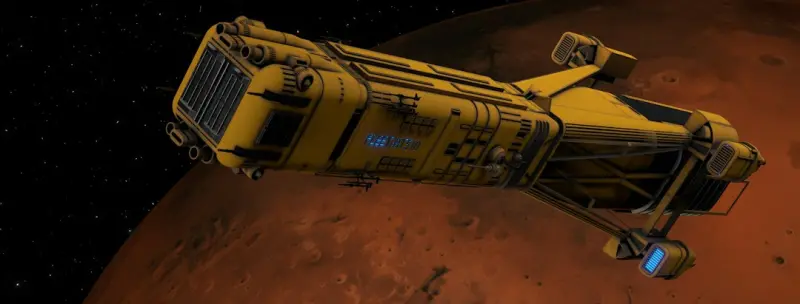
Charting a New Course: Curiosity‑Driven Cruise and Bus Adventures
There’s a restless itch that pulls many of us away from the ordinary weekend getaway and toward something that feels a little larger, a little more deliberate. It’s not just about seeing new places; it’s about feeling the story of each destination, letting the journey itself become a classroom, a gallery, and a playground all at once. As someone who’s spent countless hours on both ocean decks and open‑road coaches, I’ve learned that the magic happens when we design trips that feed curiosity, not just checklist items.
The Power of Multi‑Modal Storytelling
When a cruise liner glides into a port or a bus rolls into a small town, the first impression is often visual—a skyline, a shoreline, a bustling market. Yet the most memorable experiences are layered: the aroma of a spice market mingling with sea breezes, the cadence of a local storyteller’s voice echoing through a historic hall, the tactile feel of a handcrafted souvenir in your hand.
To turn a simple itinerary into a narrative, I start by mapping the sensory beats of each stop. What sounds dominate the morning? Which flavors are unique to that locale? What textures define the local craft? By answering these questions, I can weave a story arc that progresses naturally from one destination to the next, ensuring each segment feels like a chapter rather than a disjointed footnote.
Why Curiosity Beats “Must‑See” Lists
Travel guides love to crown the “top 10” attractions, but those lists can inadvertently flatten the richness of a place. A curiosity‑driven approach asks, “What would intrigue a local child? What hidden practice has survived centuries?” This mindset shifts the focus from ticking boxes to uncovering narratives that are often missed by the mainstream tourist trail.
For example, on a recent Mediterranean cruise, instead of the typical ancient ruin tour, I arranged a private session with a family of glassblowers in a lesser‑known coastal village. Guests not only watched the molten glass dance under expert hands but also learned how the craft evolved from shipbuilders’ need for sturdy windows to today’s artistic expression. The result? A story they could retell for years, far richer than a photograph of a famous temple.
Integrating Technology Without Disrupting Presence
Technology can be a double‑edged sword on travel. Used thoughtfully, it amplifies discovery; used poorly, it pulls us out of the moment. One of my favorite tools is conversational marketing platforms that act as on‑board guides. Guests can ask a friendly chatbot about the history of a dockside market, receive recommendations for off‑the‑beaten‑path eateries, or even request a spontaneous pop‑up workshop with a local artisan.
These AI‑driven assistants are trained to respond with concise, context‑rich answers, preserving the flow of the journey while satisfying that “I want to know more” impulse. The key is to keep interactions brief and optional—think of the chatbot as a knowledgeable sidekick rather than a tour guide that never sleeps.
Elevating On‑Board Experiences: From Mixology to Mindfulness
While the destination steals the spotlight, the vessel or coach is where anticipation builds. Imagine a cruise lounge where the bartender collaborates with a chef to create a drink inspired by the next port’s native fruit, using techniques from the AI‑powered cocktail experiences movement. Guests can watch the process, learn the story behind each ingredient, and leave with a deeper connection to the place they’re about to explore.
On luxury coaches, I’ve introduced “micro‑pause” stations—compact pods equipped with soft lighting, soothing sounds, and a curated playlist of local music. These spaces invite travelers to reflect, journal, or simply breathe before the next leg of the journey. By balancing activity with intentional stillness, we honor the curiosity that fuels the trip while preventing sensory overload.
Curating Community Connections
Authentic interactions with locals are the heart of a curiosity‑driven itinerary. Rather than booking generic group tours, I partner with community‑based organizations that can offer intimate experiences:
- Story Circles: Gather around a communal fire with village elders who share myths, legends, and personal anecdotes.
- Hands‑On Workshops: From traditional weaving to coastal navigation techniques, participants learn by doing, not just watching.
- Volunteer Moments: Short, meaningful projects—like helping restore a historic lighthouse—allow travelers to leave a positive imprint.
These engagements do more than enrich the traveler; they provide economic and cultural benefits to the host community, fostering a sustainable exchange.
Designing the Seamless Transition Between Sea and Road
Many travelers assume cruises and bus tours exist in separate worlds. The most compelling itineraries, however, blend the two, creating a fluid narrative that spans water and land. Here’s a framework I use to stitch them together:
- Identify a thematic thread: For a “Maritime Heritage” tour, start with a historic port city, transition to a coastal road trip visiting shipyards, and finish on a cruise that explores legendary sea lanes.
- Sync pacing: Allow enough time on the road for spontaneous detours—perhaps a hidden beach discovered via a local’s tip—while ensuring the cruise schedule includes shore excursions that echo those experiences.
- Maintain continuity in storytelling: Use onboard briefings, printed “journey journals,” and digital newsletters to remind guests of the overarching theme, reinforcing connections between each stop.
Personalizing the Journey with Data‑Driven Insights
Every traveler arrives with a unique curiosity profile. By gathering pre‑trip preferences—whether they’re drawn to culinary adventures, architecture, or wildlife—we can tailor daily recommendations. This isn’t invasive surveillance; it’s a respectful way to honor each guest’s interests.
For instance, a group fascinated by marine ecology might receive a special briefing on the ship’s onboard aquarium, a scheduled dive with a marine biologist at a protected reef, and a shoreline walk led by a local conservationist. Meanwhile, art enthusiasts could be guided to a hidden mural district discovered through a local’s Instagram feed.
Measuring Success Beyond Satisfaction Scores
Traditional post‑trip surveys often focus on logistics—cleanliness, punctuality, staff friendliness. While those metrics matter, a curiosity‑driven model looks at deeper impact:
- Story Retention: Do guests recount specific anecdotes months later?
- Behavioral Change: Have they adopted a new hobby, such as pottery, after a workshop?
- Community Feedback: Do local partners report increased awareness or economic benefit?
Collecting this data helps refine future itineraries, ensuring each voyage becomes a catalyst for lasting inspiration.
Practical Tips for Travel Planners
If you’re looking to infuse your cruise or bus tour portfolio with curiosity‑centric experiences, start small:
- Scout local talent: Reach out to artisans, historians, and chefs before booking.
- Prototype a pilot: Test a single immersive activity on one leg of a route, gather feedback, and iterate.
- Leverage onboard tech: Integrate chat‑based guides or QR‑code‑linked stories that guests can explore at their own pace.
- Train staff as storytellers: Equip crew members with narrative cues, so they can naturally weave context into daily announcements.
Remember, the goal isn’t to overload the itinerary but to sprinkle moments of wonder that invite guests to pause, ask questions, and engage deeply.
Looking Ahead: The Future of Curiosity‑Driven Travel
As we move toward an era where experiences are increasingly commodified, the differentiator will be authenticity and the ability to spark genuine curiosity. Imagine a future where AI assists not only in logistics but also in curating real‑time stories based on weather, local festivals, or even a ship’s position relative to a historic trade route.
When technology, community partnership, and thoughtful design converge, the line between travel and education blurs—creating journeys that feel less like vacations and more like personal quests. For travel operators willing to embrace this philosophy, the horizon is limitless.

Related Posts
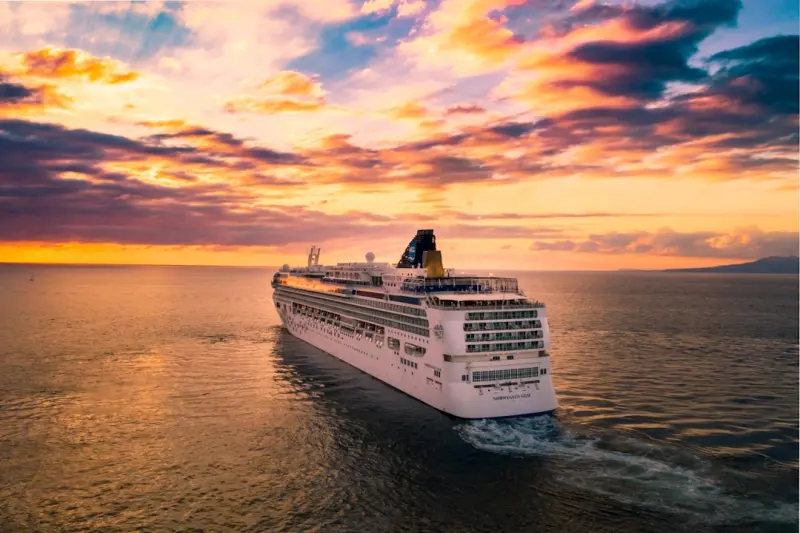
Chart Your Own Story: Blending Cruise Luxury with Bus Adventure for the Curious Traveler
Explore the art of merging cruise elegance with bus‑tour adventure, creating a story‑driven jour... Read More

Charting Personalized Horizons: How Data Is Redefining Cruises and Bus Tours
Explore the rise of hyper‑personalized travel, where data and AI craft bespoke cruise and bus tour... Read More
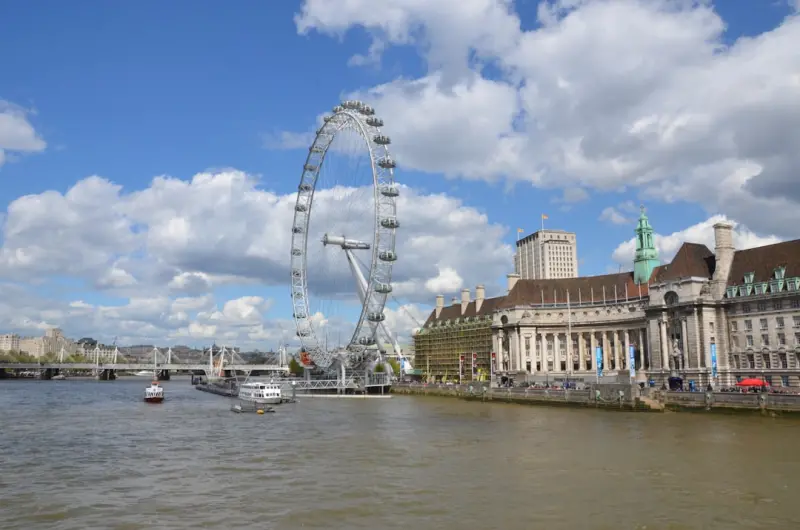
Sailing Green: How Cruises and Bus Tours Are Pioneering Sustainable Travel
A deep dive into the emerging sustainability movement within cruise lines and bus tour operators, hi... Read More
Top Posts

Turning Data into Dialogue: The New Frontier of Conversational Marketing
Discover why traditional funnel tactics are fading and how integrating conversational AI with a robust knowledge base can turn data into dynamic dialogue, accel...Read More
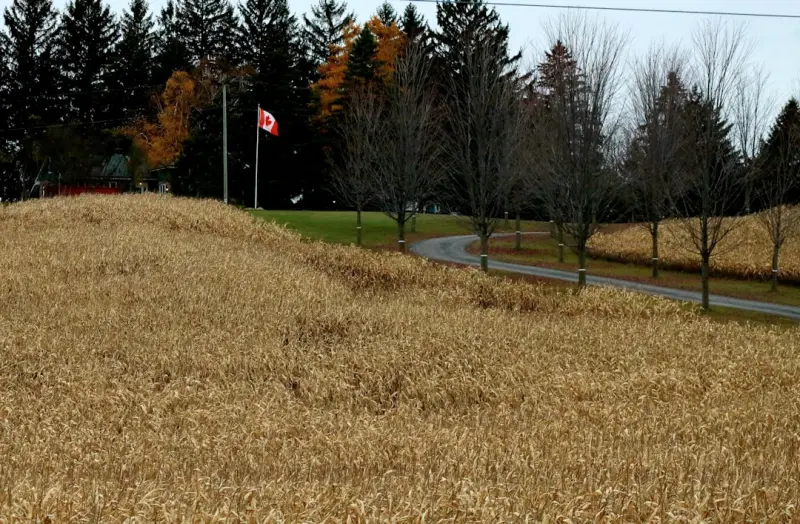
Cultivating Community: How Canadian Farmers are Redefining Rural Life Through CSA Networks
A deep dive into the rise of CSA farms across Canada, highlighting economic benefits, health impacts, and the technology empowering this community‑focused foo...Read More

Human‑Centric Storytelling: The Next Evolution in B2B SaaS Marketing
The post explores why B2B SaaS marketers should move from feature‑first messaging to human‑centric storytelling, offering frameworks, funnel integration tip...Read More
Beyond the Waiting Room: How Digital Health Hubs Are Redefining Care in Canada
A deep dive into the rise of digital health hubs, highlighting their role in bridging gaps for remote Canadians, empowering patients with data, and fostering mi...Read More
0 Comments
Post Comment
You will need to Login or Register to comment on this post!