
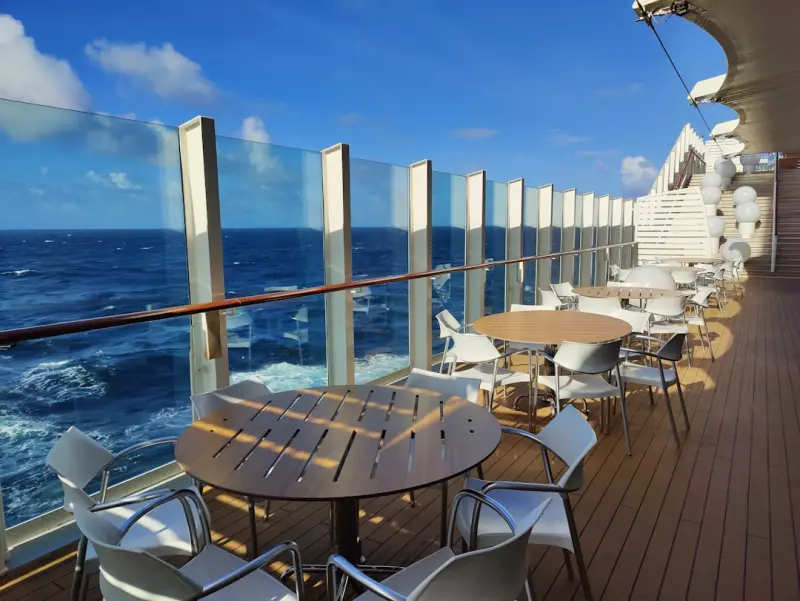
From Deckchairs to Desks: How Mobile Co‑Working Is Redefining Cruises and Bus Tours
When I first stepped aboard a luxury liner for a weekend getaway, the idea of opening my laptop and joining a Zoom call felt like a novelty—an amusing footnote to a vacation. Fast‑forward a few trips, and I’m witnessing a quiet revolution: travelers are swapping “out‑of‑office” messages for “on‑the‑road” status updates. The line between work and leisure is blurring, and the most unexpected venues—cruise ships and long‑haul buses—are becoming the newest co‑working hotspots.
The Business Case for Mobile Co‑Working
Companies are under relentless pressure to cut travel costs while maintaining face‑to‑face interaction. Traditional business‑class flights and hotel stays are expensive, often wasteful, and contribute to a bloated carbon footprint. Mobile co‑working spaces on cruises and bus tours present a three‑fold advantage:
- Cost Efficiency – Consolidating travel, accommodation, and meeting rooms into a single itinerary can slash expenses by up to 30%.
- Productivity Boost – Structured environments with reliable Wi‑Fi, ergonomic seating, and panoramic views keep teams focused and inspired.
- Brand Differentiation – Offering a unique, experience‑driven work setting positions firms as forward‑thinking and employee‑centric.
What Makes a Cruise Ship a Viable Office?
Modern cruise vessels are no longer just floating hotels; they’re floating campuses. Here’s how they stack up against a conventional office:
- Connectivity: Satellite internet has leaped from 5 Mbps to over 100 Mbps on many ships, enabling seamless video conferences.
- Workspace Design: Dedicated co‑working lounges, private cabins equipped with desks, and even “quiet pods” mimic the best office ergonomics.
- Well‑Being Perks: Access to gyms, spas, and fresh sea air combats the sedentary lifestyle that plagues traditional remote work.
- Networking Opportunities: Passengers from diverse industries foster spontaneous collaborations that would be unlikely in a standard office setting.
Bus Tours: The Underrated Office on Wheels
Long‑haul buses have traditionally been associated with commuter fatigue, but the latest generation of premium tour buses flips that script. Think of them as “rolling think‑tanks” equipped with:
- High‑speed 5G routers that maintain stable connections across most of the country.
- Adjustable seating that converts into workstations with built‑in power outlets.
- Acoustic panels that reduce engine rumble, creating a near‑quiet environment.
- On‑board concierge services that handle catering, printing, and even tech support.
The result? Teams can travel between cities, hold strategy sessions on the move, and arrive at the next destination ready to execute.
Key Technologies Powering the Shift
Behind the scenes, a suite of emerging technologies makes this mobile co‑working model possible:
- Edge Computing: By processing data locally on the vessel, latency drops dramatically, ensuring smooth video calls even when the ship is far from shore.
- AI‑Driven Bandwidth Allocation: Intelligent systems prioritize critical business applications over streaming services, guaranteeing a stable connection for work‑critical tasks.
- Secure Virtual Private Networks (VPNs): Enterprises can extend their internal network to the ship or bus, maintaining the same security posture as a land‑based office.
Case Study: A Canadian Tech Firm’s Cross‑Country Innovation Sprint
Last summer, a mid‑size SaaS company based in Toronto decided to replace a three‑day conference with a 48‑hour “innovation sprint” aboard a premium intercity bus. The itinerary included:
- Morning workshops in the bus’s co‑working lounge (powered by 5G).
- Mid‑day brainstorming sessions in a scenic stop‑over at a lakefront park, facilitated via an on‑board creative lab setup.
- Evening “demo nights” streamed to the corporate headquarters using edge‑optimized video.
The outcome was impressive: three new product concepts moved from ideation to prototype within a week, and the team reported a 25% increase in satisfaction compared to a traditional conference.
Designing the Ideal Mobile Workspace
Whether you’re a cruise line or a bus operator, crafting an environment that genuinely supports work requires attention to three core pillars:
1. Connectivity First
Invest in redundant internet solutions—satellite, cellular, and even ship‑to‑shore microwave links. Provide a network health dashboard visible to all passengers, so they know when bandwidth is being throttled and can plan accordingly.
2. Ergonomics on the Move
Offer adjustable chairs, footrests, and monitor mounts that can be secured against ship motion or bus vibrations. A simple ergonomic upgrade can reduce fatigue and prevent musculoskeletal complaints that often arise on long trips.
3. Seamless Integration with Corporate Tools
Pre‑configure devices with single‑sign‑on (SSO) to corporate suites like Microsoft 365 or Google Workspace. Provide a “digital welcome kit” that includes step‑by‑step instructions for connecting to the ship’s VPN, accessing shared drives, and using collaboration tools.
Addressing Security Concerns
Mobile environments naturally raise security red flags. Here are proven tactics to mitigate risk:
- Zero‑Trust Architecture: Verify every device and user before granting access, regardless of location.
- Encrypted Local Storage: Ensure all on‑board devices encrypt data at rest, preventing breaches if a laptop is lost.
- Regular Pen‑Testing: Conduct vulnerability assessments on the ship’s network every quarter.
Balancing Work and Play
One of the biggest draws of mobile co‑working is the built‑in leisure component. However, without clear guidelines, the line between productive work and vacation can become fuzzy. Successful programs set expectations such as:
- Designated “focus hours” (e.g., 09:00–12:00) where meetings are scheduled and interruptions are minimized.
- Allocated “exploration windows” for sightseeing, networking socials, or wellness activities.
- Clear communication protocols: a shared digital board where team members indicate availability.
When done right, employees return home not only with new ideas but also with refreshed morale.
Environmental Footprint: A Different Lens
While sustainability has already been covered extensively on this blog, it’s worth noting that consolidating travel into a single vessel can actually lower per‑person emissions compared to multiple flights and hotel stays. A single cruise itinerary that replaces a series of short‑haul flights can reduce CO₂ output by up to 40% per employee, especially when the operator invests in fuel‑efficient engines and renewable energy sources on board.
For readers interested in the data behind these claims, the real‑time data‑driven sustainability initiatives explored in a recent post provide deeper insight.
Future Trends: The Next Wave of Mobile Workspaces
Looking ahead, we can expect several innovations to further embed work into travel:
- Hybrid Reality Collaboration: Using AR glasses to overlay shared digital whiteboards onto the ship’s deck, allowing teams to brainstorm while enjoying sunrise vistas.
- Modular Work Pods: Detachable cabins that can be reconfigured as private offices, conference rooms, or even pop‑up studios for content creation.
- AI‑Curated Itineraries: Algorithms that suggest optimal work‑leisure schedules based on individual productivity patterns and meeting demands.
Getting Started: A Checklist for Companies
If you’re considering a mobile co‑working adventure, use this quick checklist to ensure a smooth rollout:
- Define Objectives: Are you aiming for cost savings, innovation, team bonding, or all of the above?
- Select the Right Vessel: Evaluate connectivity, workspace design, and itinerary alignment with business goals.
- Partner with Technology Providers: Secure a reliable ISP, edge‑computing partner, and security vendor.
- Prepare the Team: Conduct pre‑trip training on equipment, security protocols, and expectations.
- Measure Outcomes: Track KPIs such as productivity hours, cost per employee, and post‑trip satisfaction.
By treating the journey as an extension of the office rather than a break from it, businesses can unlock a new realm of possibilities.
Conclusion: The Voyage Has Just Begun
As the lines between work, travel, and leisure continue to converge, the humble cruise ship and the long‑haul bus are stepping into the spotlight as the next frontier for corporate productivity. With robust connectivity, thoughtful design, and a clear strategy, companies can transform a routine business trip into a dynamic, immersive co‑working experience that fuels innovation and strengthens culture.
So, the next time you hear about a “business cruise” or a “road‑trip retreat,” remember: it’s not a vacation—it’s the future office on the move.

Related Posts

Sailing Roads: Blending Ocean Voyages with Overland Adventures
Explore the emerging travel trend of combining cruises with bus tours, offering a seamless blend of ... Read More
Cultivating Curated Journeys: Data‑Driven Narrative Trails on Cruises and Bus Tours
Discover how travel operators can use real‑time data, local expertise, and predictive personalizat... Read More
Why Storytelling Is the New Compass for Cruises and Bus Tours
A deep dive into the rise of story‑centric voyages, showing how cruises and bus tours are turning ... Read More
Top Posts

Ontario’s Seasonal Fishing Playbook: Timing, Tactics, and Tradition
A guide to mastering Ontario’s seasonal rhythms, from water‑temperature cues to ethical catch‑and‑release, helping anglers turn each trip into a lasting...Read More

Why Canada’s Comedy Clubs Are the New Cultural Powerhouses
From pandemic silence to bustling stages, Canada’s comedy clubs are reinventing themselves—mixing live laughs with digital tools, spotlighting regional tale...Read More
Sensory Dining: Crafting Immersive Experiences in Restaurants
A deep dive into the rise of sensory dining, showing how atmosphere, flavor architecture, and interactive narratives combine to create unforgettable restaurant ...Read More

The SaaS Savings Playbook: How Smart Buyers Capture Maximum Value
Learn a step‑by‑step SaaS Savings Playbook that helps procurement teams negotiate better contracts, use bundling and usage‑based pricing, and turn SaaS sp...Read More
0 Comments
Post Comment
You will need to Login or Register to comment on this post!