
Why the Cottage Is the New Office
When the first frost hits the maple trees, most Canadians retreat indoors, swapping shorts for scarves and the hum of the city for the crackle of a wood‑burning stove. Yet, amid the cold, a quiet revolution is taking place: professionals are swapping cubicles for cottages, turning weekend getaways into week‑long productivity hubs. This isn’t a fleeting fad; it’s a response to three converging forces—digital flexibility, a yearning for authentic nature, and a desire to embed work within community‑first values.
The Roots of the Trend
Remote work exploded in the last decade, but the where of that work has remained largely static—home desks, coffee shops, and the occasional co‑working space. Canadians have always cherished their seasonal cabins, whether a lakeside chalet in Ontario or a forest lodge in British Columbia. Historically these were places to unplug, recharge, and reconnect with family. The pandemic forced many to re‑imagine those sanctuaries as places where they could stay connected to their careers without sacrificing the restorative power of the wilderness.
What makes a cottage a compelling office is its built‑in balance:
- Natural light that follows the sun across a single‑story floor plan.
- Acoustic insulation provided by thick logs and insulated walls—perfect for conference calls.
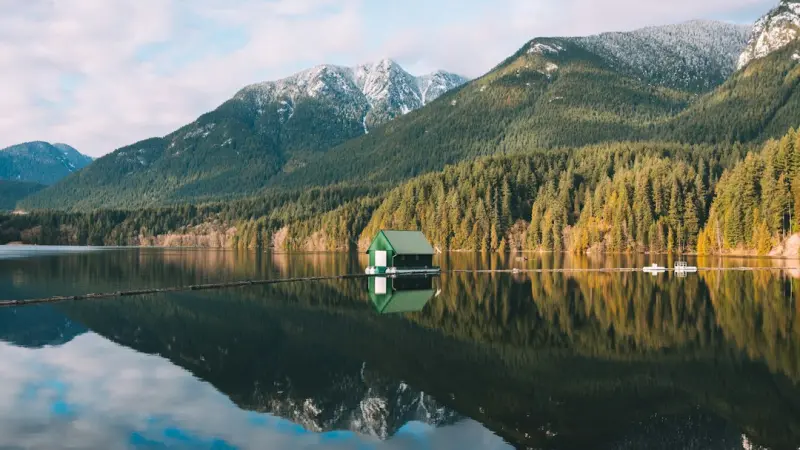
- A built‑in break area that is literally a lake, river, or snow‑capped hill.
These elements create a feedback loop: higher focus during work blocks, followed by genuine rest in the same environment, which in turn fuels creativity when you return to the laptop.
Designing a Work‑Friendly Cottage
Not all cottages are created equal for productivity. Here’s a quick checklist for turning a traditional retreat into a hybrid workspace:
- Reliable internet. Satellite providers have stepped up, but many provinces now offer fixed‑wire broadband in rural zones. A backup mobile hotspot is a must.
- Ergonomic setup. Bring a portable sit‑stand desk or repurpose a dining table with a comfortable chair. The goal is to avoid the dreaded “cottage slump.”
- Power management. Install surge protectors and consider a small solar array or generator for backup during storms.
- Dedicated zones. Separate the “focus” area from the “relax” space. A simple room divider, a bookshelf, or even a curtain can signal a mental shift.
- Wellness accessories. A yoga mat, a small dumbbell set, and a portable sauna or hot tub can turn downtime into a health boost.
When you walk into a space that feels purposeful yet inviting, the brain switches into a “flow” mode more readily than when you stare at a bland home office wall.
Economic Ripple Effects for Rural Communities
Beyond personal productivity, cottage co‑working retreats are injecting fresh capital into small towns that have long relied on seasonal tourism. When professionals stay for a week or two, they:
- Book longer‑term rentals, increasing occupancy rates beyond the typical summer peak.
- Purchase groceries, firewood, and local crafts, supporting small businesses.
- Utilize local services—rental equipment, guided hikes, and wellness practitioners.
This extended stay model creates a more stable revenue stream for owners who previously faced a “boom‑bust” cycle. It also encourages municipalities to invest in high‑speed internet infrastructure, benefiting residents and future entrepreneurs alike.
Community Building Through Shared Workspaces
Imagine a weekend where ten remote workers gather at a lakeside property, each with a distinct skill set. They share not just a kitchen but also ideas, mentorship, and potential collaborations. Some groups are already formalizing this by:
- Hosting skill‑swap evenings, where a graphic designer teaches basic design principles in exchange for a coding tutorial.
- Organizing pop‑up networking events that blend professional pitches with bonfire storytelling.
- Creating shared resource libraries—books, tools, and even subscription software that would be too costly for an individual.
These micro‑communities echo the spirit of coworking hubs but with a deeper connection to place. The result is a hybrid model that blends the intimacy of a family retreat with the dynamism of a collaborative office.
Sustainability at the Core
Because the cottage model hinges on natural surroundings, sustainability isn’t an afterthought—it’s a prerequisite. Many hosts are adopting practices that align with broader environmental goals:
- Installing rainwater harvesting systems for non‑potable uses.
- Using energy‑efficient appliances and LED lighting to reduce electricity demand.
- Encouraging guests to participate in local conservation projects, such as shoreline clean‑ups.
These actions echo the ethos of regenerative tourism, where visitors leave a positive imprint. By integrating these practices, cottage co‑working retreats become not only a work solution but also a platform for environmental stewardship.
Food, Farming, and the Cottage Kitchen
One unexpected perk of working from a cottage is the ability to source food locally. Many properties sit on a few acres of fertile land, making it easy to grow herbs, vegetables, and even small fruit trees. When paired with the concept of urban food sanctuaries, the cottage kitchen becomes a micro‑farm that supplies fresh produce for the entire stay.
Seasonal menus not only boost morale but also reinforce the connection between work rhythm and natural cycles. A morning smoothie made from home‑grown berries can be a literal reminder that productivity thrives when we align with nature’s tempo.
Balancing Work and Play: The Science of “Nature‑Integrated” Productivity
Research from Canadian universities shows that exposure to natural light and green spaces can increase focus by up to 20% and reduce stress hormones by 30%. By embedding work within a setting that encourages short hikes, paddle‑boarding, or even simply watching snowfall, professionals tap into a physiological boost that a conventional office can’t match.
Key practices for maintaining this balance include:
- Pomodoro breaks outdoors. A 5‑minute walk on a snow‑covered trail can reset attention spans.
- Scheduled “digital sunset.” Power down devices at a set time, allowing the mind to transition into evening relaxation.
- Intentional movement. Use the natural terrain for light exercise—think stair climbs to the loft or yoga on a dock.
When work and wilderness coexist, the mind learns to switch modes fluidly, creating a resilient work ethic that’s less prone to burnout.
Challenges and How to Overcome Them
While the benefits are compelling, the cottage co‑working model isn’t without hurdles:
- Internet reliability. Mitigate by testing speeds ahead of time and having a backup cellular plan.
- Isolation. Counteract by scheduling virtual coffee chats with teammates and joining local community groups.
- Regulatory considerations. Ensure the property complies with zoning laws for short‑term rentals and has appropriate insurance.
By anticipating these issues, you can craft an experience that feels seamless rather than makeshift.
Getting Started: A Step‑by‑Step Blueprint
Ready to dive in? Follow this roadmap:
- Identify your priorities. Do you need a high‑speed connection, a specific number of workstations, or proximity to certain outdoor activities?
- Research locations. Look for regions with robust broadband, like the Okanagan, the Eastern Townships, or the Gulf Islands.
- Connect with owners. Many cottage owners are eager to diversify revenue streams and will welcome longer stays if you propose a collaborative arrangement.
- Plan your schedule. Blend focused work blocks with outdoor activities, and set clear boundaries to protect both.
- Invest in portable gear. A compact monitor, ergonomic chair, and noise‑cancelling headphones can transform any space.
- Document the journey. Share photos and insights on social media to inspire others and perhaps create a community of fellow cottage co‑workers.
Future Outlook: From Trend to Mainstay
As more companies adopt hybrid policies, the pressure to find meaningful work environments will intensify. The cottage co‑working retreat offers a scalable solution: it can serve solo freelancers, small teams, or even larger departments rotating through a series of properties across the country.
Municipalities are catching on, too. Some regions are drafting “remote‑work friendly” certifications that highlight cottages with verified internet speeds, sustainable practices, and community integration. These badges will help travelers quickly find spaces that meet professional standards without sacrificing the charm of a true Canadian hideaway.
In the coming years, we may see a network of cottage co‑working hubs linked by a shared platform—think of it as an Airbnb for productivity, where each stay is curated for both work output and ecological mindfulness. The possibilities are as expansive as Canada’s horizons.
Conclusion: A New Kind of Home Base
The cottage co‑working retreat isn’t about abandoning the city; it’s about redefining the concept of “home base.” By anchoring work in places that nurture body, mind, and community, Canadians can forge a balanced lifestyle that honors both professional ambitions and the natural world that surrounds us. So the next time you hear the wind rustle through pine needles, consider answering the call—not just for a weekend escape, but for a new way to work.

Related Posts

Hybrid Cabins: The New Frontier of Canadian Living
Discover why Canadians are swapping city apartments for hybrid cabins that blend high‑speed worksp... Read More

Why Canada’s Neighborhood Tool Libraries Are the DIY Revolution We Didn’t Know We Needed
From Vancouver to Nova Scotia, community tool libraries are booming, offering affordable access to e... Read More

How Community Fridges Are Rewriting the Canadian Neighborhood Playbook
Community fridges are emerging as low‑tech hubs that combat food waste, boost local economies, and... Read More
Top Posts

Discovering the Hidden Gems of Canadian Summer Adventures
Discover Canada's hidden gems this summer, from unspoiled landscapes and pristine waters to cultural festivals and off-the-beaten-path destinations. Get ready f...Read More

Tariff Forecasting: Building a Proactive Pricing Playbook for SaaS
Tariff volatility doesn’t have to erode SaaS margins. This post outlines a data‑driven toolkit, flexible pricing strategies, and real‑world steps to forec...Read More

Canada’s Political Crossroads: Why Independent Voices Matter More Than Ever
A deep dive into the shifting Canadian political landscape, highlighting the surge of independent voices, youth engagement, and calls for electoral reform that ...Read More

Sailing and Rolling Green: The Rise of Eco‑Friendly Cruises and Bus Tours
From solar‑powered ships to electric coaches, discover the new wave of sustainable cruises and bus tours that blend adventure, community, and planet‑first t...Read More
0 Comments
Post Comment
You will need to Login or Register to comment on this post!