
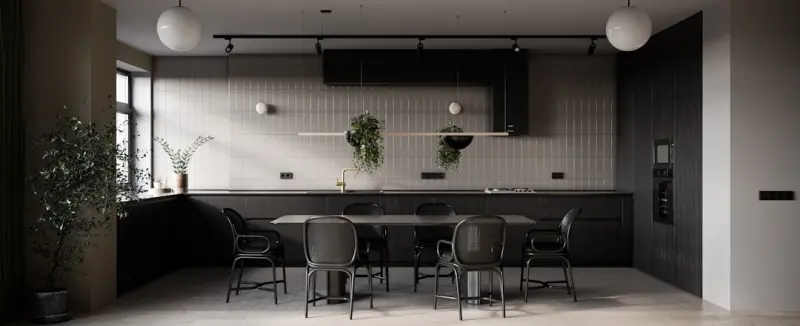
Why the Traditional Brick‑and‑Mortar Model Is Cracking
Every time I wander down a side street, I hear the clatter of pots and the low murmur of strangers swapping stories over a shared plate, and I realize that the old restaurant playbook—static locations, predictable menus, and months‑long leases—is slowly giving way to a more fluid, community‑driven experiment. Diners are no longer satisfied with merely filling a seat; they crave a moment that feels handcrafted for the moment, a sense that the chef is listening to the neighborhood’s heartbeat rather than imposing a generic concept. This shift has birthed a surge of hyper‑local pop‑up kitchens that appear in vacant storefronts, art galleries, and even the back rooms of laundromats, turning the ordinary into a culinary stage.
The Allure of Sensory Storytelling in a Plate
When I sit down at a table that’s been set up in an abandoned bookshop, the scent of fresh rosemary mingles with the faint smell of aged paper, and suddenly the meal becomes a narrative that engages sight, smell, taste, and memory all at once. I’ve learned that diners remember the feel of a wooden chair more vividly than the exact ingredients listed on a menu, which is why chefs are curating experiences that tell a story before the first bite even arrives. By weaving the local soundscape and visual cues into each dish, these pop‑ups are awakening the senses in a way that conventional restaurants rarely achieve—something I explored in depth in my earlier piece Awakening the Senses.
Turning Unused Spaces Into Culinary Hotspots
City planners often label empty storefronts as “vacant” and “unproductive,” but visionary chefs see them as blank canvases waiting for a splash of flavor and a dash of community spirit. By partnering with local artists, co‑working hubs, and even yoga studios, these pop‑up operators transform underutilized real estate into immersive dining rooms that pop up for a weekend or a season, then quietly dissolve back into the urban fabric. The result is a win‑win: property owners enjoy a burst of foot traffic and media buzz, while diners get a fresh, ever‑changing backdrop that feels exclusive without the price tag of a Michelin‑star venue.
Tech‑Savvy Booking and Seamless Service
What used to require a phone call and a waiting list now happens with a few taps on a smartphone, as reservation platforms and QR‑code menus streamline the entire experience from discovery to checkout. Some pop‑ups even use dynamic pricing algorithms that adjust ticket costs based on demand, weather, and the chef’s availability, turning the act of securing a seat into a game of culinary roulette that keeps food lovers on their toes. This digital convenience not only reduces overhead for chefs—who no longer need a full‑time front‑of‑house staff—but also gives diners the confidence that their coveted spot is just a click away.
A Real‑World Example: The Laundromat Tasting Room
Last month I attended a dinner hosted in the back of a neighborhood laundromat, where the hum of machines served as a percussive soundtrack to a six‑course tasting menu inspired by the city’s riverfront heritage. The chef sourced every herb from a nearby community garden, paired each course with a locally brewed kombucha, and even printed the menu on recycled dryer‑sheet paper, reinforcing the theme of sustainable repurposing. Guests moved between folding tables and laundry baskets, sharing plates as casually as they would swap stories while waiting for their socks to dry, creating an intimacy that a polished dining room could never replicate.
Embedding Sustainability Into the Pop‑Up Ethos
Because these kitchens operate on a short‑term basis, they naturally adopt a “zero‑waste” mindset, purchasing only the exact quantities needed for a single event and composting any leftovers on site. Chefs often collaborate with local farms, urban beekeepers, and rooftop gardeners, ensuring that the ingredients travel fewer miles and the carbon footprint stays minimal. This hyper‑local sourcing not only supports regional producers but also gives diners a transparent view of where their food originates, turning each bite into a statement of environmental stewardship.
Economic Empowerment for Emerging Chefs
For many up‑and‑coming culinary talent, the financial barrier to opening a permanent restaurant is daunting, but pop‑ups lower that threshold dramatically, allowing chefs to test concepts, build a following, and generate revenue without the weight of a long‑term lease. Communities benefit too, as the revolving door of pop‑up concepts stimulates local economies, creates temporary jobs, and encourages collaboration across creative sectors. If you’re curious about how such community‑driven ventures can also help residents rethink affordability while enjoying high‑quality meals, you’ll find that the math often adds up in surprising ways.
The Role of Seamless Indoor‑Outdoor Flow in Pop‑Up Success
Seasonal weather can be a challenge, but clever designers turn it into an asset by creating fluid indoor‑outdoor experiences that let diners bask in sunshine or cozy up under string lights as the temperature drops. Portable heaters, retractable awnings, and modular furniture allow a pop‑up to adapt instantly, providing comfort without sacrificing the raw, open‑air vibe that makes these events feel spontaneous. This approach mirrors the growing desire for dining spaces that blur the line between home and restaurant, offering a relaxed atmosphere that still feels curated.
Looking Ahead: How Diners Can Join the Movement
If you’re ready to step outside the predictable menu of chain eateries, start by following local culinary collectives on social media, subscribing to neighborhood newsletters, and keeping an eye on community bulletin boards for the next pop‑up announcement. Bring an open mind, a willingness to share a table with strangers, and a curiosity for the stories behind each dish, and you’ll discover a dining world that feels as vibrant and ever‑changing as the city itself. The future of food is not about static locations; it’s about kinetic experiences that celebrate locality, sustainability, and the simple joy of breaking bread together.

Related Posts
Zero‑Waste Kitchens: How Real‑Time Data Is Turning Waste Into Profit
Explore the rise of zero‑waste kitchens powered by real‑time data, from smart inventory and supp... Read More
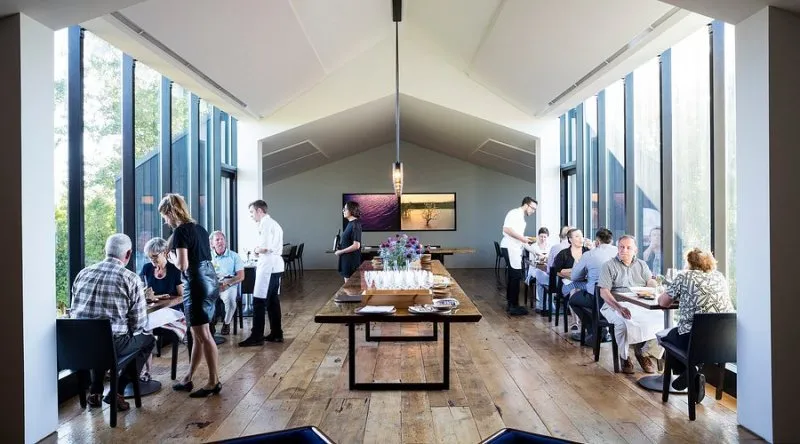
Discover Culinary Excellence: Why Restaurant Pearl Morissette Reigns Supreme in Canada
Have you ever dreamt of a dining experience that transcends the ordinary? An experience that marries... Read More

Why Restaurants Are Turning to Community‑Driven Pop‑Ups to Stay Ahead
Pop‑ups are more than a trend; they’re a strategic tool for restaurants to test menus, reduce ri... Read More
Top Posts

Rethinking Your Wallet: How Remote‑Work Hubs Are Redefining the Cost of Living
Explore how remote‑work hubs, shared living, and savvy financial moves can transform everyday expenses into real savings and a richer lifestyle....Read More
Data‑Driven Journeys: How Cruises and Bus Tours Are Becoming Personal Adventure Engines
From smart cabin climate controls to adaptive itineraries and cross‑modal loyalty points, data is turning traditional cruises and bus tours into dynamic, pers...Read More

Urban Foraging: Bringing Wild Greens to Your City Kitchen
Explore the thriving world of urban foraging, learn safety tips, and turn city‑found greens into flavorful, nutritious meals....Read More

Beyond the Gown: Turning Prom & Graduation Into a Launchpad for Future Success
Learn to use the excitement of prom and graduation as a launchpad for long‑term success by leveraging data, smart budgeting, sustainable fashion, and a revenu...Read More
0 Comments
Post Comment
You will need to Login or Register to comment on this post!