
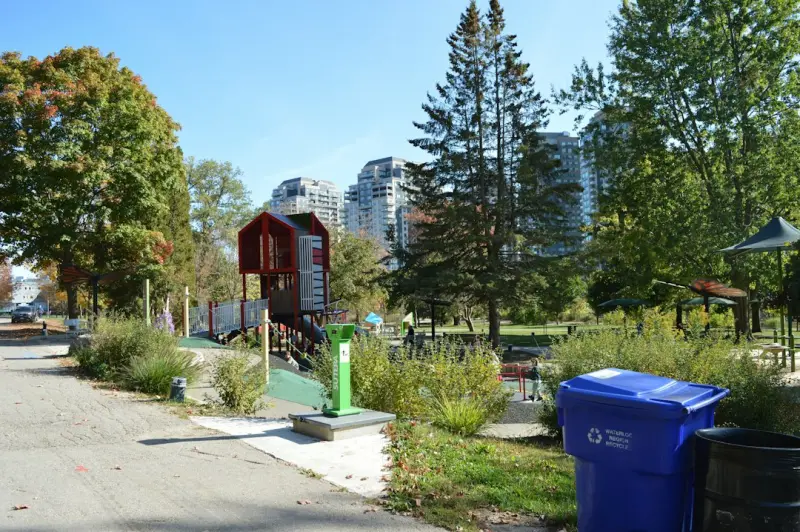
Finding Warmth in the Frost: Community‑Driven Winter Initiatives Across Canada
When most people think of Canadian living, the first image that comes to mind is a blanket of snow, endless winter evenings, and the occasional gripe about shoveling the driveway. I’ve spent my entire adult life watching the same old winter narrative play out on television: “Stay inside, bundle up, wait for spring.” But living in a country that proudly embraces a sub‑zero climate for half the year has taught me that the cold isn’t a barrier—it’s a canvas.
Over the past few seasons, I’ve been fortunate enough to hop on a series of community projects that turn the harshest months into the most vibrant. From pop‑up outdoor libraries in Halifax to shared geothermal heating loops in Edmonton, Canadians are quietly rewriting the script on what it means to be “cozy” when the temperature dips below zero. In this post, I’ll share three distinct ways neighborhoods are harnessing collective ingenuity to make winter not just bearable, but genuinely enjoyable.
1. The Rise of Pop‑Up Outdoor Social Hubs
There’s something magical about a steaming mug of hot chocolate in the middle of a snow‑covered park, surrounded by friends, live music, and the gentle glow of string lights. A handful of municipalities—most notably in Atlantic Canada—have taken that feeling and turned it into a repeatable, low‑cost program.
Take Halifax’s “Winter Warm‑Up” series: every Friday night from November through March, a local park transforms into a pop‑up venue with heated tents, a community‑run “soup kitchen” serving free broth, and a stage for local musicians. The city supplies the power and a portable heating system, while volunteers handle logistics. The result? A surge in foot traffic that benefits nearby cafés, a boost in mental‑health metrics for participants, and a renewed sense of belonging for residents who might otherwise hunker down at home.
What makes these hubs work is the principle of shared responsibility. Instead of a top‑down “city‑run event,” the model relies on a coalition of small businesses, non‑profits, and everyday citizens. The cost is spread across many stakeholders, and the payoff is communal resilience. If you’re interested in how geography can be leveraged to reduce living costs—a concept explored in depth in the post leveraging geography for affordable living—these pop‑up hubs are a perfect, real‑world illustration.
2. Community‑Owned Geothermal and District Heating Networks
When you think of heating a home in a Canadian winter, the image that often appears is a furnace roaring away, a thick layer of insulation, and a hefty energy bill. In recent years, a quiet revolution has been bubbling beneath the surface: neighborhood‑scale geothermal and district heating systems.
In Edmonton, the Riverbend Green Loop project brings together 30 households, a local school, and a municipal recreation centre. Instead of each building burning natural gas, a shared network of underground pipes circulates warm water sourced from a shallow geothermal field. The system is overseen by a cooperative that members elect, ensuring transparency and democratic decision‑making.
Why does this matter?
- Cost Savings: By pooling demand, the group purchases equipment at bulk rates and splits maintenance costs, often resulting in a 30‑40% reduction in monthly heating expenses.
- Environmental Impact: Geothermal energy reduces reliance on fossil fuels, cutting carbon emissions and aligning with Canada’s broader climate commitments.
- Social Cohesion: Residents meet regularly to discuss system performance, share energy‑saving tips, and plan community events—turning what could be an anonymous utility bill into a conversation starter.
The success of Riverbend is echoing across the country, from a cluster of homes in Sudbury to a mixed‑use development in Vancouver’s Eastside. Each project adapts to local geology, but the core philosophy remains: collective ownership of infrastructure can transform a mundane utility into a source of pride.
3. Winter Skill‑Swaps and Pop‑Up Workshops
Winter can be a great equalizer—when the weather forces us indoors, the opportunity to learn something new becomes abundant. Across Canada, a wave of “skill‑swap” gatherings is emerging, where neighbours teach each other everything from snowshoe crafting to indoor gardening.
In Toronto’s Kensington Market, a group of residents launched a Winter Craft Circle. Every Saturday morning, participants gather in a community centre to exchange knowledge: one week, a retired carpenter demonstrates how to build a sturdy sled; the next, a home‑grown chef shares recipes for warming soups that use only pantry staples.
These gatherings have an unexpected side effect: they foster a sense of inter‑generational mentorship. Older participants feel valued for their expertise, while younger folks gain hands‑on experience that textbooks don’t provide. The result is a vibrant social fabric that keeps the “stay‑inside” mentality at bay.
For those interested in how collaboration can boost resilience in other sectors—like the agricultural realm—check out this deep dive on collaborative farming tech. The underlying principle of shared knowledge translates beautifully to these winter workshops.
4. Embracing the Cold: A Cultural Shift
All of the initiatives above are rooted in a broader cultural shift: Canadians are beginning to view winter not as an obstacle, but as an integral part of the national identity worth celebrating. This mindset is reflected in everything from fashion to culinary trends.
Take the rise of “cold‑brew coffee” cafés that serve drinks at sub‑ambient temperatures, or the popularity of “ice‑wine” tasting events that showcase the unique flavors created by freezing grapes. Even fashion designers are integrating functional yet stylish thermal wear into their collections, turning practicality into runway‑ready looks.
The key takeaway is that when a culture collectively redefines an experience, the economic and social benefits follow. Businesses that adapt to these trends—whether by offering heated outdoor seating, sponsoring community heating projects, or hosting winter skill‑swap events—find themselves positioned at the forefront of a growing market.
5. How to Get Involved in Your Own Neighborhood
If you’re reading this and wondering how to jump on the winter‑wellness bandwagon, here’s a quick starter kit:
- Identify a Need: Talk to neighbours—what’s missing in winter? A place to gather? Affordable heating?
- Gather Allies: Reach out to local businesses, schools, and community groups. A diverse coalition brings varied resources.
- Secure a Space: Public parks, community centres, or even a vacant lot can become a pop‑up hub with the right permissions.
- Start Small: Organise a single event—a hot‑cocoa night, a snowshoe demo, or a DIY lantern workshop. Test the waters before scaling up.
- Measure Impact: Track attendance, cost savings, or even simple metrics like smiles captured on photos. Data helps secure future funding.
Remember, the most successful initiatives grow organically. Don’t be afraid to experiment, pivot, and let the community shape the final form.
Conclusion: Winter as a Community Engine
Canada’s winters have always been a defining feature of the national story, but it’s time we rewrite that story with a more proactive, community‑focused chapter. From pop‑up social hubs that bring warmth to the streets, to shared geothermal networks that slash bills and emissions, to skill‑swap workshops that turn cold evenings into learning opportunities—there’s a wealth of inspiration waiting just outside your front door.
So, the next time you hear the wind howl and the snow drift, resist the urge to retreat indoors. Instead, think about the next pop‑up event you could help organize, the heating cooperative you could join, or the skill you could share with a neighbour. In the end, the real heat comes not from radiators, but from the connections we forge when we face the cold together.

Related Posts

Winter Street Fairs: Canada’s Cold‑Season Social Revival
Canadian cities are reimagining cold weather by turning sidewalks into bustling winter fairs, where ... Read More
Seasonal Home Design: Letting Canada’s Four Seasons Shape Your Space
A guide to embracing the rhythm of Canada’s four distinct seasons through thoughtful home design, ... Read More
Finding Home in the Great North: Everyday Adventures in Canadian Living
From fresh‑caught lake fish to lavender fields and family‑friendly hotel perks, discover how eve... Read More
Top Posts

Fermentation, Microgreens, and Data‑Driven Shopping: A Fresh Playbook for Healthy Eating
A hands‑on guide that blends home fermentation, indoor microgreen gardening, and data‑informed grocery choices to help busy professionals build a resilient,...Read More

When Your Dinner Playlist Becomes the Secret Ingredient
Explore the science behind sonic seasoning, learn practical steps to pair music with meals, and see how tech and culture are redefining the dining experience....Read More

Mastering Visual Storytelling for Data‑First B2B Marketing
Learn why visual storytelling is essential for data‑driven B2B marketers, how to craft compelling narratives, and which tools and metrics can turn raw numbers...Read More

Community Health Hubs: A New Model for Canadian Care
Community health hubs blend multidisciplinary teams, local partnerships, and smart technology to deliver timely, holistic care in Canada’s underserved regions...Read More
0 Comments
Post Comment
You will need to Login or Register to comment on this post!