
Why Collaboration Is the New Soil for Canadian Growers
When I first stepped onto my family’s 250‑acre plot in southwestern Ontario, the only “network” I knew was the row of maple trees that marked the field’s edge. Fast forward three decades, and the same land is now tied into a web of data streams, shared equipment pools, and market‑matching platforms that would have seemed like science fiction when I was a teenager. The secret sauce isn’t a new hybrid seed; it’s the willingness to work together, leveraging tools that let us farm smarter, not harder.
From Solo Operators to Cooperative Platforms
For generations, Canadian farming has been built on the image of the lone farmer battling the elements. That myth still has its charm, but the reality is shifting. Today’s growers are joining forces through cooperative software solutions that aggregate field data, coordinate machinery usage, and connect us directly with buyers. By pooling resources, we reduce idle equipment time, cut fuel costs, and keep our margins healthier.
One of the most transformative developments is the emergence of nationwide farmer network initiatives that act like a digital “grain elevator” for information. Instead of each farm guessing when to plant or harvest, the network shares real‑time soil moisture readings, pest alerts, and weather forecasts, letting us make decisions with a level of confidence that was previously reserved for big‑agri corporations.
Shared Machinery: The Farm’s Rental Marketplace
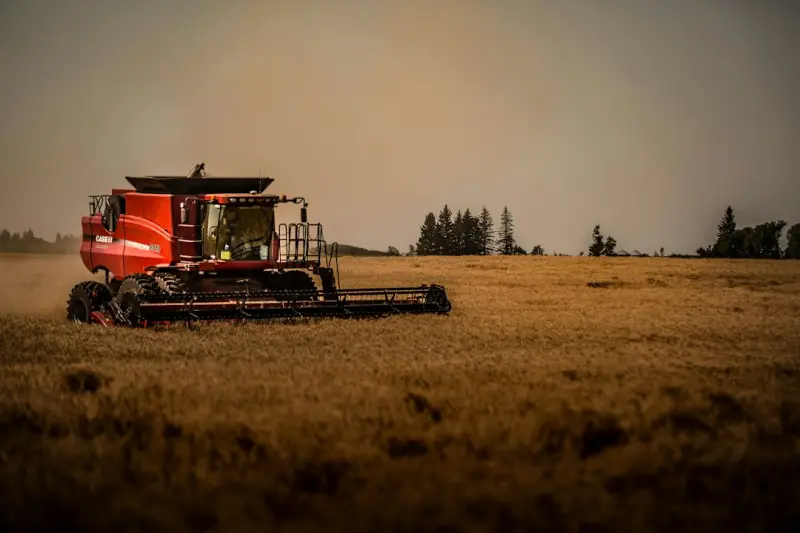
Imagine a scenario where a combine harvester sits idle for weeks because the neighboring farm’s planting window doesn’t align with yours. In the past, you’d either pay for an extra machine you’d barely use or scramble to find a last‑minute rental—often at a premium. Now, an online marketplace matches owners with renters based on location, availability, and price, turning idle equipment into a revenue stream.
- Cost Efficiency: Farmers can access high‑tech machinery without the upfront capital expense.
- Environmental Impact: Fewer machines on the road mean lower emissions and reduced soil compaction.
- Community Building: Regular interactions foster trust and open doors for future collaborations.
These platforms often include built‑in maintenance tracking, so equipment stays in top shape, and insurers appreciate the reduced risk profile.
Data as a Shared Asset, Not a Secret Weapon
We’ve all heard the buzz around “big data” in agriculture, but the word itself can feel intimidating. The key is to treat data as a communal resource. When farms contribute anonymized yield maps, pest incidence logs, and fertilizer application records, the aggregated dataset becomes powerful enough to predict regional trends that no single operation could spot alone.
One practical outcome is the ability to schedule crop rotations that balance soil health across the whole valley. If Farm A reports high nitrogen depletion after a corn crop, Farm B can plan a legume planting in the adjacent field to naturally restore balance, reducing the need for synthetic inputs.
Connecting Directly to the Plate
Consumer demand for locally sourced, traceable food has exploded. Yet many growers still rely on middlemen who take a sizable cut of the final price. By leveraging cooperative market platforms, farms can list their harvests directly to restaurants, grocery co‑ops, and even end‑consumers, showcasing provenance and sustainability credentials.
These platforms often integrate with simple e‑commerce tools, enabling farmers to manage orders, set delivery windows, and handle payments without needing a full‑time sales team. The result is a shorter supply chain, fresher produce, and a bigger share of the profit staying on the farm.
Season‑Long Learning Hubs
Technology adoption isn’t just about gadgets; it’s about knowledge. Several provinces have launched virtual learning hubs where growers can attend webinars, share best practices, and troubleshoot issues in real time. Topics range from precision irrigation techniques to financial planning for variable market conditions.
These hubs thrive on the same collaborative spirit that powers the equipment marketplace. Farmers who once felt isolated now have a support network that extends beyond their county lines, fostering a culture of continuous improvement.
Case Study: The Prairie Grain Collective
In the heart of the Prairies, a group of fifteen grain farmers formed the Prairie Grain Collective three years ago. Their goal was simple: combine resources to compete with larger agribusinesses. Here’s how they did it:
- They pooled their land data into a shared GIS system, enabling precise planting density recommendations.
- They negotiated bulk contracts for seed, fertilizer, and fuel, saving an average of 12% per season.
- They established a joint storage facility, reducing individual storage costs by 30%.
- They used a shared logistics platform to coordinate grain transport, cutting idle truck time by 40%.
The collective now reports higher yields, lower input costs, and a stronger bargaining position when selling to grain elevators. Their success underscores how collaboration can turn small‑scale operations into competitive players on the national stage.
Overcoming the Fear of Sharing
It’s natural to worry that sharing data or resources could expose vulnerabilities. Trust is built slowly, and technology can help. Many platforms use secure, encrypted channels and allow participants to control exactly what information is visible. Moreover, the tangible benefits—cost savings, increased market access, and risk mitigation—often outweigh the perceived risks.
Farmers who have taken the leap report feeling more empowered, not exposed. They see that the collective strength of many small farms can outweigh the occasional competitive edge of a single operation.
Future Horizons: From Farm to Cloud
Looking ahead, the next wave of collaborative tech will likely focus on integrating satellite imagery with on‑ground sensors, delivering hyper‑local insights that guide every decision from planting to harvest. Imagine a dashboard that tells you, in real time, which field block needs extra irrigation, which pest is emerging, and which market is offering the best price for that particular grain grade.
While these tools will become more sophisticated, the underlying principle remains the same: shared knowledge and shared assets create a resilient farming ecosystem capable of weathering climate variability, market swings, and labor shortages.
Getting Started: Small Steps for Big Change
If you’re a farmer curious about joining the collaborative movement, here are a few low‑commitment steps:
- Explore local equipment‑sharing platforms. Sign up, list a piece of underused machinery, and see what’s available nearby.
- Join a data consortium. Many provincial agricultural departments host voluntary data‑sharing initiatives—participate with minimal risk.
- Test a direct‑to‑consumer marketplace. List a small batch of produce to gauge demand and logistics.
- Attend a virtual learning session. Pick a topic outside your comfort zone and see how peer insights can spark new ideas.
These actions don’t require massive investment, but they open doors to the larger collaborative ecosystem that’s reshaping Canadian agriculture.
Conclusion: Cultivating a Shared Future
Our farms have always been about stewardship—of the land, of the community, of the next generation. Today, stewardship also means stewarding data, equipment, and market access in ways that benefit the whole. By embracing cooperative technology platforms, Canadian growers can protect their bottom line, reduce environmental footprints, and ensure that the next harvest is not just abundant, but also resilient and inclusive.

Related Posts
Cultivating Tomorrow: How Canadian Farmers Harness Data, Community, and Resilience
Canadian agriculture is evolving through data‑driven precision farming, renewable energy integrati... Read More

Fields as Futures: Canadian Farmers Turning Their Land into Community Hubs
Canadian farmers are redefining their role by transforming fields into vibrant community hubs, offer... Read More
Powering the Prairies: Turning Farm Land into Renewable Energy Hubs
Canadian farms are embracing solar panels, wind turbines, and biogas digesters to generate clean pow... Read More
Top Posts

Beyond the Waiting Room: Community Telehealth Hubs Transform Canadian Healthcare
Community telehealth hubs blend local support with virtual specialist care, using reliable broadband, patient‑centered communication, and responsible AI to br...Read More

Dr. Oetker's Canadian Crescendo: Introducing Suprema Pizza with an Operatic Flourish
Dr. Oetker, a name synonymous with quality and innovation in the food industry, is a global giant with a significant presence in Canada. While its roots are fir...Read More

Ontario Ice Fishing Festivals: Community, Cuisine, and Cold‑Weather Adventure
Explore the vibrant world of Ontario’s ice fishing festivals, where anglers, chefs, musicians, and families gather on frozen lakes for unforgettable winter ad...Read More

Unlocking Hidden Savings: How B2B SaaS Buyers Can Negotiate Smarter Deals
A practical guide from Megan Morris on auditing SaaS contracts, leveraging dynamic pricing, bundling wisely, and using CLM tools to secure smarter, more flexibl...Read More
0 Comments
Post Comment
You will need to Login or Register to comment on this post!