
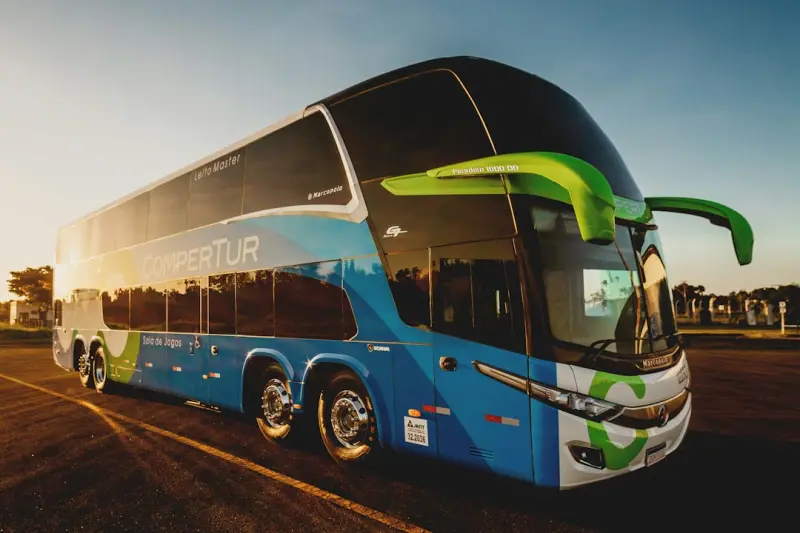
Why the Sustainability Gap Matters
When I first stepped aboard a luxury liner for a week‑long itinerary, I was dazzled by the endless horizon and the impeccable service. Yet, as the ship cut through the ocean, a quiet question lingered in my mind: what is the hidden environmental cost of this indulgence? The same curiosity sparked on the open road when I rode a modern coach through remote mountain passes. In the last decade, travelers have begun demanding more than comfort—they want assurance that their journeys aren’t leaving a carbon scar.
For the cruise and motorcoach sectors, the stakes are uniquely high. A single cruise vessel can emit as much CO₂ as a small city, while a fleet of diesel‑powered buses contributes significantly to urban air quality challenges. The good news is that industry leaders are no longer waiting for regulation to force change; they’re proactively re‑engineering the way we move, powered by a blend of electrification, alternative fuels, and data‑driven optimization.
Electrifying the Fleet: The Bus Revolution
Electric buses are no longer a niche experiment confined to a handful of European capitals. In North America, several major operators have begun swapping out aging diesel coaches for battery‑electric models that promise zero tailpipe emissions and dramatically lower operating costs.
- Battery density breakthroughs have pushed the range of a typical 45‑seat coach to 250 miles on a single charge—enough for most intercity routes without needing a mid‑journey recharge.
- Fast‑charging infrastructure at major terminals now allows a full top‑up in under an hour, turning what used to be an overnight downtime into a quick pit‑stop.
- Regenerative braking captures kinetic energy on downhill stretches, feeding it back into the battery and shaving off up to 15% of total energy consumption.
Beyond the hardware, operators are leveraging fleet‑management SaaS platforms to fine‑tune routes in real time. By analyzing traffic patterns, elevation profiles, and passenger load, these tools suggest the most efficient driving strategies, further extending each charge’s mileage.
One compelling case study comes from a West Coast carrier that reduced its annual CO₂ output by 30% within two years after converting 40% of its fleet to electric and integrating a predictive analytics dashboard. The savings were not only environmental; fuel expenses dropped by 40%, and maintenance costs fell as electric drivetrains have fewer moving parts.
Zero‑Emission Propulsion at Sea
Cruise ships, by nature, require massive power to propel thousands of tons of steel and provide the amenities passengers expect. Traditionally, this power has come from heavy‑fuel oil, a pollutant with a notorious reputation. The industry’s answer? A three‑pronged approach:
- Liquefied natural gas (LNG) and methanol blends—while not entirely carbon‑free, they cut sulfur oxide emissions by up to 99% and reduce CO₂ per megawatt‑hour.
- Hybrid propulsion that pairs traditional engines with large‑scale battery banks, enabling ships to cruise on electric power during port stays and low‑speed maneuvers.
- Emerging fuel‑cell technology using green hydrogen, which, when generated from renewable electricity, can deliver true zero‑emission propulsion.
Several flagship vessels now sport a dual‑fuel system, automatically switching to the cleaner option when operating within emission control areas (ECAs). Moreover, onboard waste‑heat recovery units capture excess heat from engines and redirect it to power desalination plants, reducing the need for additional fuel‑intensive processes.
To understand the broader impact, take a look at the narrative shift happening across the sector. While the headline focuses on storytelling, the underlying theme is the same: every journey now carries a sustainability subplot that passengers increasingly expect to see.
Data as the Unsung Hero
Technology is the connective tissue binding electrification, alternative fuels, and operational efficiency. Modern cruise lines and bus operators rely on cloud‑native platforms that ingest data from hundreds of sensors—engine performance, fuel consumption, weather forecasts, and even passenger Wi‑Fi usage. By applying machine‑learning models, these platforms predict optimal speed profiles, engine loads, and energy storage strategies.
Consider the concept of dynamic routing for buses. Traditional timetables are static, leading to under‑utilized seats or unnecessary idling. A SaaS solution that continuously recalculates routes based on real‑time demand can reduce mileage by up to 12% and cut emissions proportionally.
On ships, predictive maintenance dashboards alert engineers to potential inefficiencies before they become costly failures. When a turbine’s temperature deviates by even a few degrees, the system recommends a minor adjustment that can save tons of fuel over a voyage.
These data‑centric practices echo the themes discussed in our AI‑driven forecasting piece, highlighting how intelligent automation transcends industry boundaries.
Partner Ecosystems and Local Impact
Sustainability is not a solo act. Cruise lines now partner with coastal communities to source locally produced food, reducing the carbon footprint of freight shipments. Some operators have introduced “zero‑waste” kitchens that compost organic scraps and recycle water for landscaping.
Similarly, bus companies are collaborating with municipalities to integrate their electric fleets into public‑transit networks. By sharing charging stations and jointly purchasing renewable energy contracts, they achieve economies of scale that make green operations financially viable.
These collaborations also open new revenue streams. For instance, a tour operator in the Pacific Northwest teamed up with a regional electric‑utility cooperative to offer “green‑ticket” packages. Passengers pay a modest premium that funds the installation of solar‑powered charging hubs along the route, and the operator markets the experience as a carbon‑conscious adventure.
Future Outlook: From Offsetting to Regenerative Travel
Carbon offsets have served as a bridge for many travel companies, allowing them to claim neutrality while they transition to cleaner technologies. However, the next frontier is regenerative travel—where journeys actively improve the environments they traverse.
- Onboard bio‑filtration systems that capture CO₂ and release oxygen, effectively turning a ship’s hull into a moving carbon sink.
- Bus routes that include “re‑plant” stops, where passengers participate in tree‑planting activities coordinated with local NGOs.
- Partnerships with ocean‑clean‑up initiatives that use cruise ship waste‑processing facilities to sort and repurpose debris collected during voyages.
These initiatives rely heavily on transparent reporting, another area where SaaS platforms excel. By providing immutable audit trails of emissions data, companies can verify the impact of regenerative projects to both regulators and eco‑savvy travelers.
In the coming years, I anticipate three decisive trends shaping the sector:
- Full electrification of short‑haul bus routes across major corridors, supported by government incentives and private‑sector charging networks.
- Hybrid‑fuel cruise ships that combine LNG, methanol, and green‑hydrogen to achieve near‑zero emissions in ECAs and port zones.
- Data‑first sustainability frameworks that integrate emissions monitoring, passenger behavior analytics, and supply‑chain transparency into a single dashboard.
For travelers, this means the next time you book a coastal cruise or a scenic bus tour, you’ll likely see a badge indicating “Carbon‑Light” or “Regenerative Route.” For operators, it signals a competitive advantage that goes beyond price—one rooted in purpose, efficiency, and technological agility.
Putting It All Together
Green waves on the ocean and silent roads on the highway are no longer aspirational slogans; they are becoming operational realities. By embracing electrification, leveraging alternative fuels, and harnessing data to fine‑tune every mile, the cruise and bus tour industries can chart a path that satisfies wanderlust without compromising the planet.
If you’re a stakeholder—whether a fleet manager, a sustainability officer, or a curious traveler—the message is clear: the tools exist, the partnerships are forming, and the market is ready to reward those who lead the charge. The journey toward carbon‑light travel is already underway; it’s just a matter of staying on board.

Related Posts
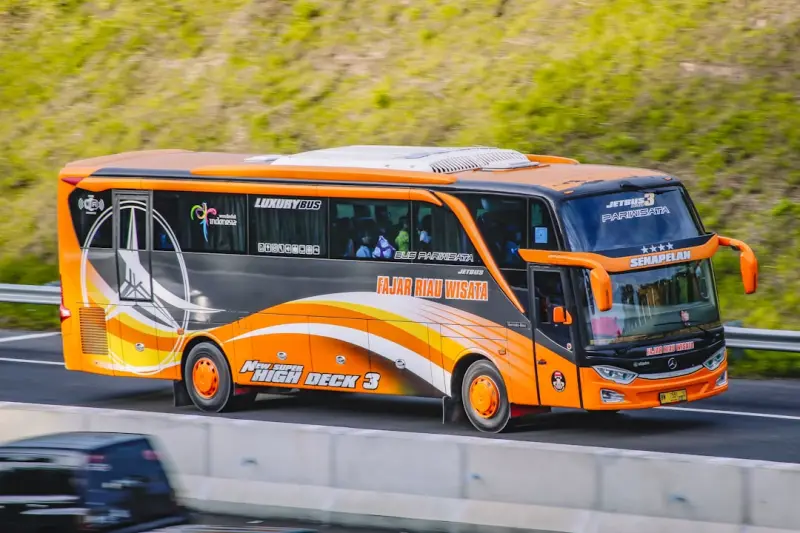
Green Gateways: How Cruise Ports and Bus Terminals Are Blossoming into Community Gardens
Travel terminals are transforming into vibrant community gardens, offering fresh produce, educationa... Read More
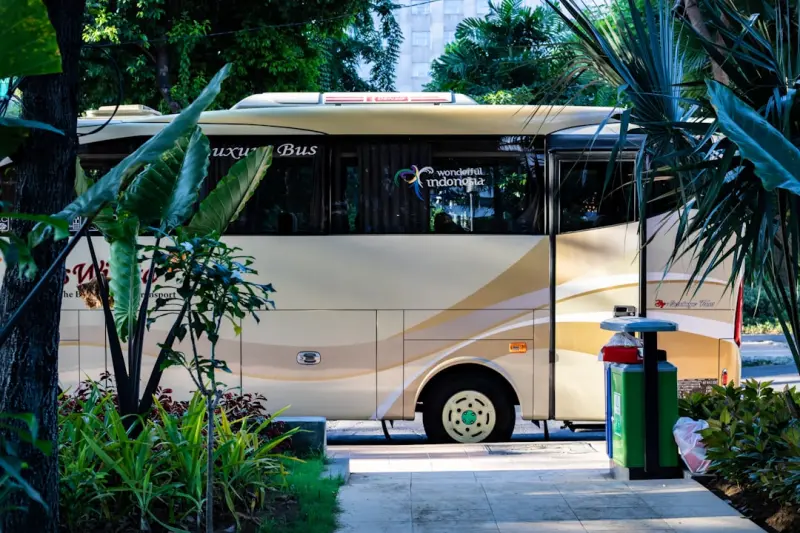
Cruise and Bus Tours: The Tech‑Driven, Sustainable Evolution of Travel
The travel landscape is shifting as cruises and bus tours merge with digital twins, renewable energy... Read More
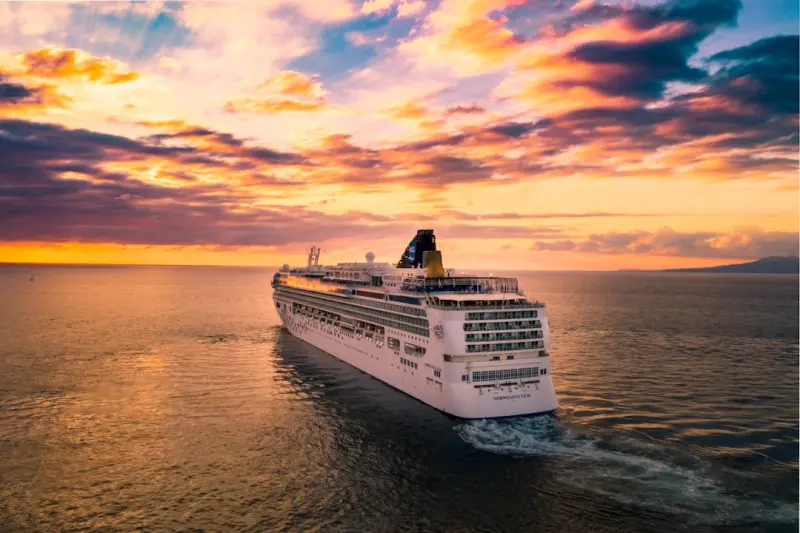
AI Personalization Transforming Cruises & Bus Tours
AI‑powered personalization is turning static cruise packages and bus tours into dynamic, data‑dr... Read More
Top Posts

Designing Snow‑Ready Outdoor Spaces for Canadian Homes
Learn to transform snowy Canadian yards into year‑round outdoor retreats using smart design, heated features, native plants, and community collaboration....Read More

The New Wave of Canadian Cottage Living: Tradition Meets Tech
Discover how Canada’s cherished cottage culture is evolving with micro‑renewables, smart‑home tech, and local makerspaces, creating modern retreats that h...Read More

Why Micro‑Communities Are the Future of B2B SaaS Marketing
Micro‑communities, not megaphones, are reshaping B2B SaaS marketing. Learn why tight‑knit groups outperform traditional influencer tactics and how to build ...Read More

Behind the Chambers: How Backbench Influence Is Reshaping Canadian Governance
Backbench MPs, often overlooked, are becoming the engines of Canadian policy through committee work, data‑driven analysis, and strategic negotiations that imp...Read More
0 Comments
Post Comment
You will need to Login or Register to comment on this post!