
Rooted in Regeneration: A Personal Shift
When I first inherited my family’s 300‑acre prairie farm, I thought modern efficiency meant maximizing yields with the newest chemicals and machinery. Over the past few seasons, however, I’ve watched the land speak louder than any profit margin, urging a return to practices that heal rather than deplete. Embracing regenerative agriculture has become less a marketing buzzword and more a daily covenant with the soil, the sky, and the generations that will inherit this place. I’ve begun to blend age‑old Indigenous stewardship principles—like honoring the seven generations before and after—with contemporary science, creating a hybrid that feels both reverent and forward‑looking. The result? A farm that not only produces nutritious beans and grains but also stores carbon, filters water, and supports wildlife corridors, turning acreage into a living laboratory of resilience.
Building Soil Capital, Not Just Crop Capital
Soil health is the foundation of any regenerative system, and my recent experiments with cover crops have turned that foundation into a thriving ecosystem. By rotating legumes, mustard greens, and winter rye, I’ve seen nitrogen fixation jump dramatically, reducing my reliance on synthetic fertilizers. I also introduced “living mulches” of clover that protect the topsoil from erosion while providing forage for grazing goats. Measuring soil organic matter now feels like checking a bank balance; each increase signals stored carbon and future fertility. The deeper roots of these plants create channels for water infiltration, meaning my fields stay productive even during dry spells. The shift from a commodity‑centric mindset to one that values soil as a living capital asset has transformed my bookkeeping: profits are no longer the sole metric; soil carbon, biodiversity indices, and water retention are now part of the bottom line.
Weaving Biodiversity Into the Cropping Mosaic
Regeneration is impossible without diversity, and I’ve learned to view my farm as a patchwork quilt rather than a monoculture field. Installing hedgerows of native hawthorn and serviceberry provides nesting sites for songbirds that naturally control insect pests. I’ve also set aside riparian strips where wildflowers bloom, attracting pollinators that boost bean yields by up to 15 percent. Integrating livestock—specifically a small herd of heritage cattle—allows for strategic grazing that trims invasive weeds and deposits nutrient‑rich manure exactly where it’s needed. This symbiotic dance between plants, animals, and insects reduces input costs and creates a resilient ecosystem that can absorb shocks, whether they come from market fluctuations or extreme weather. The farm’s visual landscape has changed too; where once there were endless rows of soy, there are now pockets of wildflower meadows, fruiting shrubs, and grazing paddocks that tell a story of balance.
Tech as a Partner, Not a Replacement
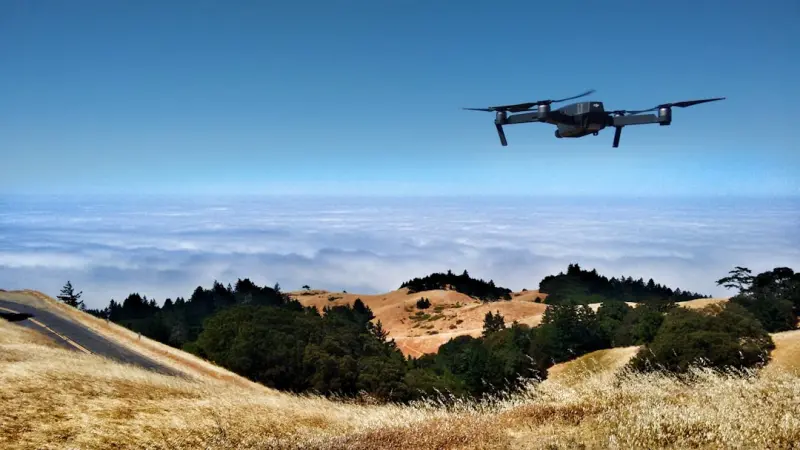
While the heart of regeneration beats in the soil, technology offers tools to monitor and enhance that rhythm. I’ve deployed low‑cost drones equipped with multispectral cameras to map canopy health, spotting nitrogen deficiencies before they become visible to the naked eye. Soil moisture sensors linked to a simple dashboard allow me to fine‑tune irrigation, conserving water and preventing root stress. Yet I’m careful to keep tech as an aid, not a ruler; data informs decisions, but field observations and intuition remain paramount. This approach contrasts with the high‑tech “precision agriculture” narratives that often ignore ecological nuance. By combining sensor data with traditional knowledge—such as reading the wind’s direction for frost warnings—I’ve built a hybrid decision‑making framework that respects both science and the subtle cues of the land.
From Farm to Fork: New Market Pathways
The consumer appetite for food that tells a story has never been stronger, and regenerative growers are uniquely positioned to meet that demand. Direct‑to‑consumer subscription boxes featuring heirloom beans, heritage grains, and seasonal vegetables have opened a revenue stream that bypasses the volatile commodity market. I’ve partnered with local chefs to host pop‑up dinners that showcase the farm’s produce, a concept echoed in hyper‑local pop‑up kitchens across the country. These events not only generate premium prices but also educate diners about soil health and biodiversity, turning each meal into a conversation about stewardship. By providing transparent traceability—farm logs, carbon measurements, and biodiversity scores—customers feel a personal connection, turning them into ambassadors who spread the regenerative message beyond the dinner table.
Policy, Incentives, and the Road to Land Stewardship
Government programs have begun to recognize the long‑term value of regenerative practices, offering tax credits for carbon sequestration and grants for biodiversity projects. However, many of these incentives are still framed through the lens of climate‑smart cooperatives, a narrative explored in Canadian farmers forging climate‑smart cooperatives. My experience shows that true stewardship requires flexibility beyond cooperative models; it demands individualized land‑use plans that respect regional ecologies. I’ve worked with provincial agencies to develop a “soil health stewardship agreement” that rewards incremental improvements in organic matter, rather than demanding a one‑size‑fits‑all certification. This nuanced approach encourages experimentation, allowing farmers to pilot novel cover‑crop mixes or pollinator habitats without risking financial viability.
Community Tools and Mental Well‑Being on the Farm
Regeneration isn’t just an ecological practice; it’s a pathway to a healthier, more connected farmer lifestyle. Sharing equipment through community tool libraries has reduced my capital outlay and fostered relationships with neighboring growers, turning isolation into collaboration. The act of working the land in a regenerative manner—planting diverse seed mixes, tending pollinator gardens—provides a rhythmic routine that combats the mental fatigue often associated with conventional farming pressures. Moreover, hosting seasonal workshops where families learn to compost, identify native plants, or practice low‑impact grazing creates a sense of purpose that extends beyond profit, reinforcing the farm’s role as a communal learning hub.
Looking Forward: A Call to Regenerative Action
Standing in the field at sunrise, watching a chorus of bees dance among newly planted wildflowers, I’m reminded that the future of Canadian agriculture lies in the marriage of ancient wisdom and modern curiosity. Regenerative farming offers a tangible route to restore soil, boost biodiversity, and build resilient economies, but it requires collective effort—from policymakers and consumers to fellow farmers and researchers. By sharing successes, failures, and the everyday moments that make this journey worthwhile, we can inspire a broader movement that redefines what it means to be a Canadian farmer in the 21st century. The soil is ready; the tools are here; the choice is ours to nurture a thriving, regenerative landscape for generations to come.

Related Posts

Digital Twins and Indigenous Knowledge: A New Era for Canadian Grain Farming
Digital twins and ancient land wisdom are reshaping Canada’s grain farms, delivering higher yields... Read More
From Soil to Signal: How Data, Drones, and Decentralized Tech Are Reshaping Canadian Farming
Canadian farmers are quietly adopting sensors, drones, and blockchain to transform soil health monit... Read More
Harvesting Hope: The New Frontier for Canadian Farmers
Canadian farmers are redefining their future by focusing on mental health, leveraging immersive stor... Read More
Top Posts

The Quiet Surge of Independent Candidates Reshaping Canadian Politics
Independent candidates are gaining momentum across Canada, challenging traditional party dominance with grassroots funding, digital savvy, and issue‑focused p...Read More

The Unseen Struggles of Rural Mental Health in Canada
Rural mental health in Canada is a pressing issue that affects many communities. From the struggles of Canadian farmers to the connection between rural mental h...Read More

The Unseen Battle: Climate Justice Meets Digital Democracy in Canada’s Political Future
A deep dive into the intertwining forces of climate justice and digital democracy, highlighting grassroots activism, cyber‑security, and the policy crossroads...Read More

The Untapped Power of Business Micro‑Ecosystems
Explore the rise of business micro‑ecosystems and how they can transform agility, revenue streams, and long‑term resilience for companies of any size....Read More
0 Comments
Post Comment
You will need to Login or Register to comment on this post!