
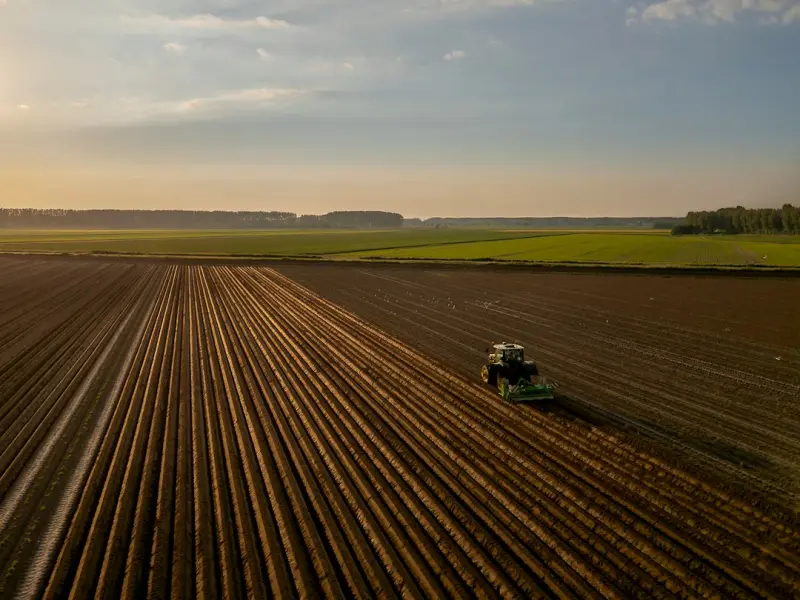
Rooted Resilience: Canadian Farmers Transform Climate Challenges into Opportunity
When the first frost kisses the wheat fields of Saskatchewan or the prairie sun blazes over a soybean stand in Manitoba, I feel the pulse of the land beneath my boots. I’m Rose DesRochers, a third‑generation farmer from the heart of the Canadian prairies, and I’ve watched our family farm evolve from a modest plot of soil to a living laboratory of adaptation. This isn’t a story about the latest gadget or a fleeting trend; it’s about the quiet, stubborn ingenuity that has always defined Canadian agriculture.
Why “Resilience” Is No Longer a Buzzword
For decades, “resilience” was tossed around in conference rooms and policy papers, often as a vague promise. On the ground, however, resilience is measured in the weight of a grain sack, the health of a herd, and the steadiness of a farmer’s heartbeat after a storm. The climate is no longer a distant concern—it is the neighbor who knocks on the barn door every morning.
In recent years, we’ve faced three overlapping forces that demand a new kind of farming mindset:
- Weather volatility: From record‑breaking heatwaves to sudden flash‑floods, the patterns that once guided planting calendars have dissolved.
- Market pressure: Global supply chains, shifting consumer preferences, and fluctuating commodity prices leave little room for error.
- Soil fatigue: Decades of conventional tillage have eroded organic matter, leaving fields vulnerable to erosion and nutrient loss.
Each of these forces alone would test any operation, but together they call for a holistic response—one that blends time‑honored practices with purposeful innovation.
Regenerative Practices: The Soil’s Second Chance
Regenerative agriculture is more than a set of techniques; it’s a philosophy that places soil health at the center of the farm’s economic engine. By fostering a thriving soil ecosystem, we can lock carbon, improve water retention, and increase yields without relying on costly inputs.
Here’s what we’ve integrated on our own 2,500‑acre mixed farm:
- Cover cropping year‑round. Instead of leaving fields bare, we sow a mosaic of legumes, grasses, and brassicas. These plants not only suppress weeds but also fix nitrogen, feed soil microbes, and provide a living mulch.
- No‑till or reduced‑till planting. By minimizing soil disturbance, we preserve the delicate structure that houses earthworms and fungi—nature’s original engineers.
- Integrated livestock grazing. Cattle are rotated through cover‑cropped fields, depositing manure exactly where it’s needed while trampling foliage to improve seed‑to‑soil contact.
- Biochar amendment. Produced from locally sourced wood waste, biochar acts like a sponge, holding moisture and nutrients for longer periods.
Within three growing seasons, our topsoil organic matter rose from 2.1% to 3.4%, and we saw a 12% increase in wheat grain weight per hectare. The numbers are encouraging, but the real triumph is the renewed confidence that the land can bounce back, even after a dry spell.
Community Cooperatives: Sharing Knowledge, Sharing Risk
One of the most powerful tools we’ve adopted is a farmer‑led cooperative that pools resources, data, and market access. The idea is simple: when we work together, we can shoulder the unpredictable costs of climate adaptation and leverage collective bargaining power.
Our cooperative, Prairie Roots Collective, operates on three pillars:
- Shared equipment hub. High‑cost machinery—like precision planters and drone‑based scouting kits—is owned jointly, reducing the capital burden on any single farm.
- Data exchange platform. Members upload field observations, soil test results, and weather logs. The aggregated data fuels predictive models that help us decide when to plant, irrigate, or harvest.
- Joint marketing channels. By branding our produce under a single, traceable label, we capture premium prices in urban markets that value sustainability and local provenance.
The cooperative’s success lies in its distributed leadership model. Decisions flow from the field up to the boardroom, ensuring that policies reflect real‑world challenges rather than theoretical assumptions.
Digital Tools: From Angling Apps to Agronomy Insights
While I’m not a tech guru, I’ve learned that the same digital tools shaping agriculture for other sectors can be repurposed for the farm. A few key technologies have become indispensable:
- Satellite‑based NDVI imaging. This gives us a real‑time view of plant vigor across the entire acreage, allowing early detection of stress before visible symptoms appear.
- IoT soil sensors. Placed at varying depths, they transmit moisture, temperature, and electrical conductivity data to our smartphones, guiding precision irrigation.
- AI‑driven forecasting. By feeding historic yield data and current climate models into machine‑learning algorithms, we can simulate multiple planting scenarios and choose the most resilient one.
Technology alone isn’t a silver bullet; it’s a lens that magnifies the insights we already have from generations of observation. The real power emerges when digital data meets the intuition of a farmer who knows the scent of a dry soil patch.
Agri‑Tourism: Turning Fields into Experiences
Another avenue we’ve explored is opening our farm to visitors. Agri‑tourism offers a dual benefit: it diversifies income while fostering a deeper public connection to agriculture.
Our “Harvest Days” program invites families from nearby cities to experience planting, milking, and grain drying firsthand. Kids learn to identify wheat spikes, while adults sample seasonal produce and purchase directly from the farm stand. This face‑to‑face interaction demystifies farming, builds brand loyalty, and creates an additional revenue stream that helps offset the higher costs of regenerative inputs.
To keep the experience authentic, we avoid overly polished “theme‑park” vibes. Instead, we focus on storytelling—sharing the lineage of our land, the challenges we face, and the hope we nurture in every seed.
Policy Advocacy: Speaking Up for Real‑World Solutions
Beyond the fences of our property, we’ve taken a more active role in shaping agricultural policy. The provincial governments have introduced several climate‑action programs, but many are designed with large agribusinesses in mind, leaving smallholders scrambling to meet complex reporting requirements.
Through the cooperative, we’ve drafted a set of recommendations that prioritize:
- Simple, tiered reporting mechanisms for carbon‑sequestration metrics.
- Direct subsidies for cover‑crop seed and biochar production.
- Tax incentives for shared equipment ownership models.
- Funding for community‑based research stations that test region‑specific regenerative practices.
We’ve presented these proposals at town‑hall meetings and provincial agricultural forums, finding that policymakers are more receptive when we bring concrete data and real‑world case studies to the table.
Looking Forward: A Blueprint for the Next Generation
My teenage grandchildren often ask, “Grandma, will farming still be a thing when I’m older?” Their curiosity reminds me that the future of Canadian agriculture rests on the shoulders of the next generation. To ensure they inherit a thriving sector, we must embed resilience into every layer of farm life:
- Education. Partner with local schools to offer farm‑based curricula that blend science, history, and entrepreneurship.
- Mentorship. Create apprenticeship programs where experienced farmers guide newcomers through the nuances of soil health, market navigation, and community building.
- Financial literacy. Provide workshops on diversified income streams—such as agri‑tourism, niche markets, and renewable energy leases—to reduce dependence on a single commodity.
- Technology stewardship. Teach young farmers how to interpret data without becoming slaves to algorithms, preserving the balance between intuition and information.
When we combine these pillars with the regenerative techniques, cooperative structures, and digital insights already discussed, we forge a farm that can not only survive climate uncertainty but thrive within it.
Conclusion: The Quiet Strength of the Land
Canada’s farmland is a patchwork of stories, each plot a testament to perseverance. By embracing regenerative practices, fostering cooperative networks, leveraging appropriate technology, and inviting the public into our fields, we are rewriting the narrative of what a modern Canadian farm looks like.
The journey is far from over. New challenges will arise, and we must stay vigilant, adaptable, and, above all, grounded in the belief that the soil beneath our feet holds the memory of countless harvests—and the promise of many more.
For those reading this and wondering where to start, consider reaching out to your local agricultural extension office or joining a farmer cooperative in your region. The first step toward resilient farming is always the hardest, but it’s also the most rewarding.

Related Posts
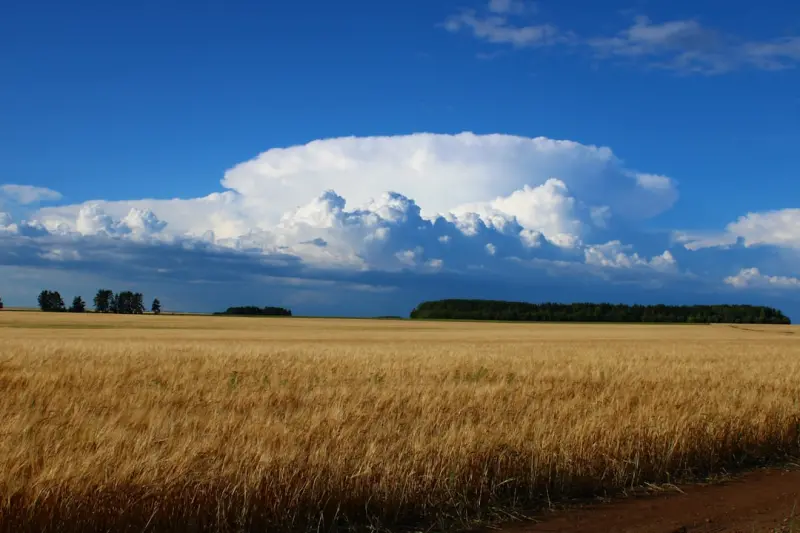
From Field to Cloud: How Canadian Farmers Are Redefining Resilience
A seasoned Canadian farmer shares how embracing data ownership, AI compliance tools, precision agric... Read More

Data‑Driven Farming: How Canadian Growers Are Turning Sensors Into Savings
Canadian farmers are blending tradition with technology, using soil sensors, satellite imagery, and ... Read More
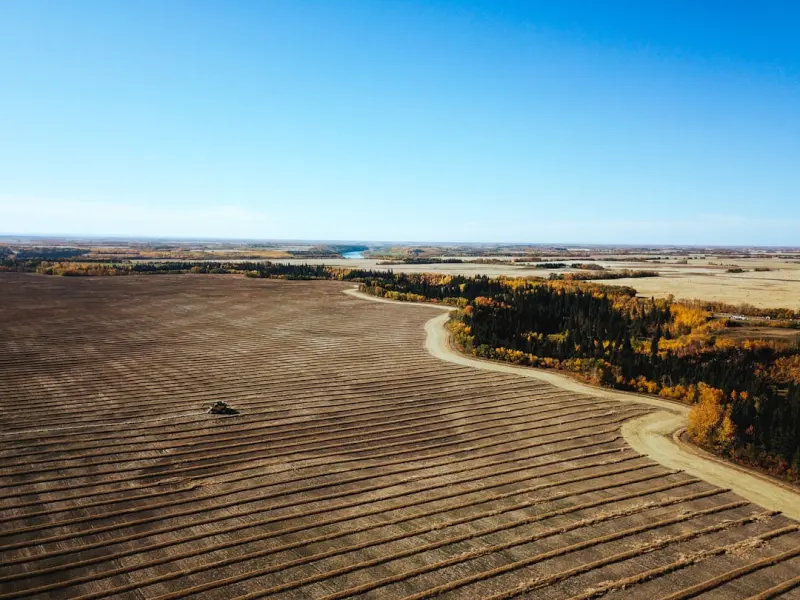
Harvesting the Future: How Canadian Farm Cooperatives Are Redefining Agriculture
Canadian farmers are banding together in cooperatives, leveraging cutting‑edge tech and clean ener... Read More
Top Posts

Digital Nomad Villages: Building Communities for the New Age Traveler
Digital nomad villages are emerging as vibrant hubs where remote workers live, collaborate, and immerse themselves in local culture, creating sustainable econom...Read More
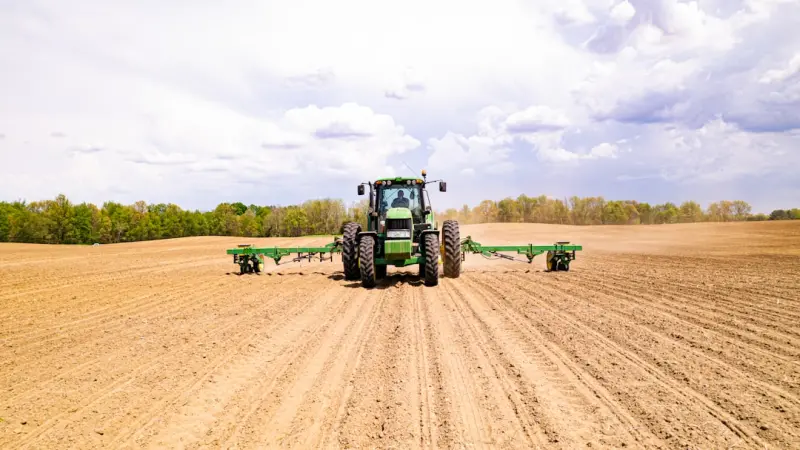
Cultivating Seed Sovereignty: How Canadian Farmers are Safeguarding the Future
Discover the growing movement of seed sovereignty among Canadian farmers, its environmental and economic benefits, and how community initiatives are reshaping t...Read More

The Podcast Boom: Canada’s New Comedy Frontier
Canadian comedy podcasts are exploding, blending regional humor, live events, and tech innovations to create a vibrant new entertainment scene....Read More

Beyond the Popular Piers: Discover Ontario’s Hidden Fishing Havens
A guide to Ontario’s off‑the‑radar fishing locations, offering tips, gear recommendations, and sustainable practices that turn a simple cast into an unfor...Read More
0 Comments
Post Comment
You will need to Login or Register to comment on this post!