
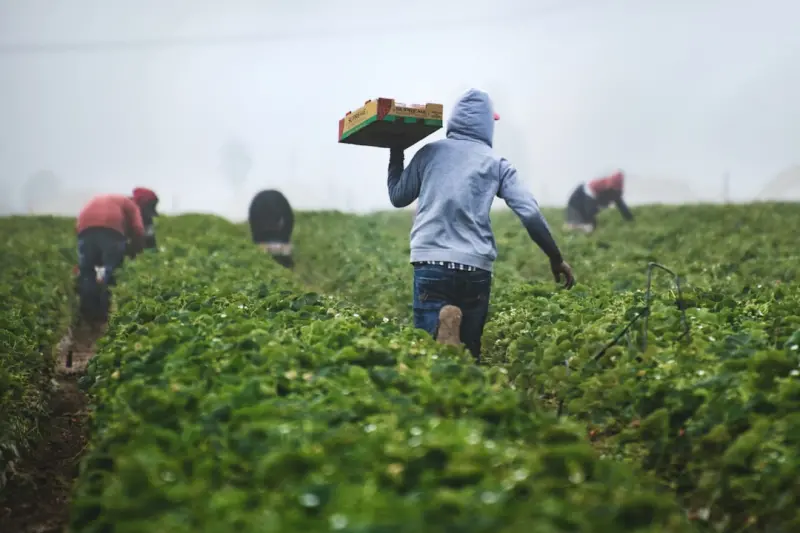
From the Field to the Future: Why Regenerative Agriculture Is Canada’s Next Big Harvest
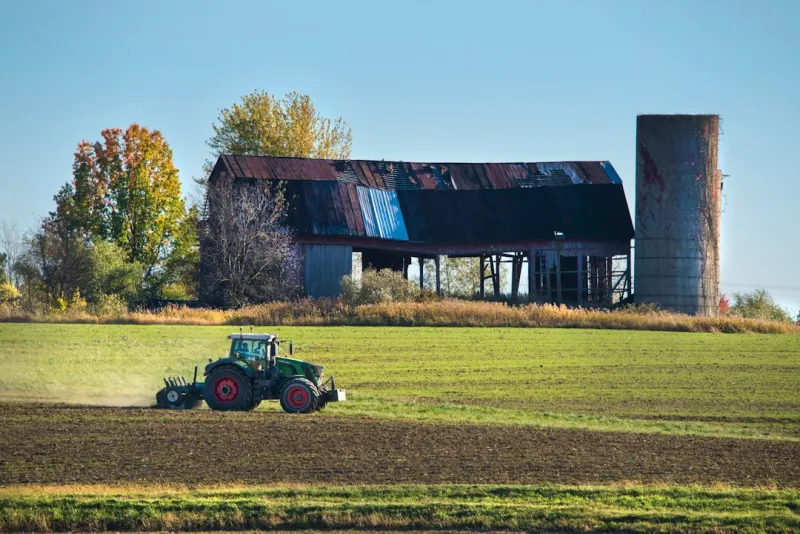
When I first stepped out onto my family’s farm in southwestern Ontario, the sky was a crisp, unbroken blue and the soil smelled of earth and promise. I grew up watching my grandparents coax wheat, corn, and soybeans from the ground with a blend of instinct, hard work, and a toolbox that was mostly iron and sweat. Today, that same soil is demanding a new kind of partnership—one that respects the planet, rewards stewardship, and leverages technology without turning the farm into a sterile data center.
Regenerative agriculture isn’t just a buzzword; it’s an evolving philosophy that asks us to re‑build what modern industrial farming has stripped away: organic matter, biodiversity, and the natural carbon cycle. In Canada, where the climate ranges from the prairie’s wind‑swept plains to the mist‑laden coasts of British Columbia, the opportunity to turn soil into a climate asset is both a necessity and a competitive advantage.
What Regeneration Really Means on the Ground
At its core, regenerative farming is about working with nature rather than against it. The pillars include:
- Cover Crops & Crop Rotations: Planting legumes, radishes, or brassicas between cash crops to protect the soil, fix nitrogen, and break pest cycles.
- Reduced Tillage: Minimizing soil disturbance preserves soil structure, reduces erosion, and keeps carbon locked underground.
- Managed Grazing: Rotating livestock across paddocks mimics natural herd movements, stimulating plant growth and enhancing carbon sequestration.
- Agroforestry & Silvopasture: Integrating trees and shrubs into fields provides windbreaks, shade, and a perennial carbon sink.
- Precision Nutrient Management: Using sensors and data analytics to apply exactly the right amount of fertilizer at the right time.
These practices sound straightforward, but the transition demands a shift in mindset, a willingness to experiment, and, crucially, access to the right tools.
Carbon Credits: Turning Soil Health into a Revenue Stream
One of the most compelling incentives for Canadian farmers to adopt regenerative methods is the emerging market for carbon credits. Governments and private enterprises are now willing to pay for verified carbon removal from soils. The mechanism works like this:
- Farmers measure baseline carbon levels in their fields.
- They implement regenerative practices that increase soil organic carbon.
- Independent auditors verify the sequestration gains.
- Farmers sell the verified carbon credits on a marketplace, earning an additional income stream.
In practice, a hectare of well‑managed prairie can lock away 1–2 tons of CO₂ per year. Over a 500‑hectare operation, that translates to $50,000–$100,000 in annual credit revenue, depending on market prices. That money can fund equipment upgrades, cover the cost of cover‑crop seeds, or even support a farm’s transition to renewable energy.
Technology as an Enabler, Not a Replacement
While the philosophy of regeneration is timeless, the tools we now have at our disposal are anything but. Drones, satellite imagery, and soil‑sensor networks allow us to monitor fields with a precision that was unimaginable a decade ago. For example, the same drone technology that’s reshaping Ontario’s fisheries is now being repurposed to map crop health, assess biomass, and even estimate carbon storage in real time.
On my own farm, a fleet of fixed‑wing drones flies a 30‑minute mission each week, stitching together multispectral images that reveal nitrogen deficiencies, moisture stress, and weed pressure. Coupled with ground‑based sensors that report soil temperature and moisture every 15 minutes, I can make data‑driven decisions on when to irrigate, fertilize, or plant cover crops—cutting input costs while maximizing regenerative outcomes.
But technology is only as good as the data pipelines that process it. Many small‑to‑medium farms lack the bandwidth to store and analyze massive datasets. That’s where emerging SaaS platforms tailored for agriculture come in, offering cloud‑based analytics at a subscription price. Ironically, the hidden savings that these platforms can unlock often offset the cost of the technology itself, creating a virtuous circle of efficiency and sustainability.
Energy Independence Through Microgrids
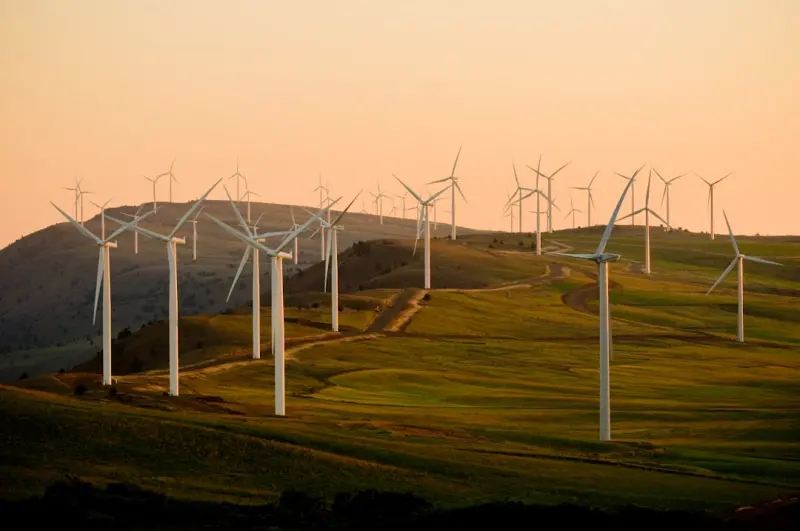
Regeneration is energy‑intensive—think of the power needed for refrigeration, irrigation pumps, and processing facilities. Rural electrification in Canada is already seeing a shift toward localized power generation, and farms are uniquely positioned to become nodes in a neighborhood microgrid. By installing solar panels, wind turbines, or biogas digesters, farms can generate their own clean electricity, sell excess power back to the grid, and reduce reliance on fossil‑fuel‑based utility rates.
My neighbor in Nova Scotia recently commissioned a 250 kW wind turbine that now supplies 80% of his farm’s power needs. The remaining 20% is drawn from a community microgrid that balances supply and demand across neighboring farms, ensuring that during a winter storm no one is left in the dark. This collaborative approach not only cuts operational costs but also aligns perfectly with the regenerative ethos of community resilience.
Financing the Transition: Grants, Loans, and Partnerships
The upfront capital required to pivot to regenerative practices can be daunting. Fortunately, a growing suite of financial instruments is emerging:
- Government Grants: Programs like the Canadian Agricultural Partnership offer up to 50% cost‑share for soil health initiatives.
- Carbon‑Finance Loans: Some lenders now evaluate a farm’s projected carbon credit earnings as collateral.
- Co‑ops & Shared‑Ownership Models: Farmers band together to purchase equipment—drones, sensor kits, or renewable energy installations—splitting costs and benefits.
- Private‑Sector Partnerships: Companies in the food supply chain are increasingly paying a premium for products sourced from regenerative farms, providing a stable revenue stream.
In my own experience, a combination of a federal grant for cover‑crop seed and a low‑interest loan tied to projected carbon credit revenue made the transition financially viable within three years.
Challenges and the Way Forward
Adopting regenerative agriculture isn’t a silver bullet; there are real challenges to navigate:
- Knowledge Gaps: Traditional agronomy curricula often omit regenerative techniques, leaving farmers to learn through trial and error.
- Market Access: While consumer demand for sustainably produced food is rising, distribution channels for small‑scale regenerative producers remain limited.
- Verification Complexity: Accurately measuring soil carbon and obtaining third‑party verification can be costly and time‑consuming.
- Policy Uncertainty: Carbon credit prices fluctuate, and policy frameworks are still evolving, making long‑term planning a challenge.
Addressing these hurdles will require coordinated effort from research institutions, government agencies, and the private sector. Extension services must update curricula, retailers should create dedicated shelf space for regenerative products, and standardized carbon accounting protocols need to be established.
Stories from the Frontline
Across Canada, farmers are already reaping the benefits of regenerative practices. In the Prairies, a wheat farmer in Saskatchewan reported a 15% yield increase after integrating a three‑year legume rotation and reducing tillage. In British Columbia, a mixed‑fruit orchard that introduced agroforestry buffers saw a 20% reduction in pesticide use and a measurable uptick in pollinator activity.
These stories are more than anecdotes; they are data points that demonstrate the scalability of regeneration. When combined with carbon credit revenue, renewable energy generation, and technology‑enabled precision management, the financial case becomes compelling.
Practical First Steps for Canadian Farmers
If you’re considering the regenerative path, start small and iterate:
- Soil Test Baseline: Conduct a comprehensive soil health assessment to identify carbon levels, nutrient status, and compaction.
- Cover Crop Pilot: Choose a low‑cost, region‑appropriate cover crop (e.g., hairy vetch) for a single field and monitor biomass and nitrogen contribution.
- Digital Tools Trial: Subscribe to a farm‑focused SaaS platform on a short‑term basis to explore data collection and analytics.
- Community Networking: Join local farmer groups focused on sustainability; share equipment, knowledge, and market connections.
- Explore Carbon Programs: Reach out to provincial carbon credit registries to understand eligibility and verification requirements.
Remember, the goal isn’t perfection overnight but steady progress toward a more resilient, profitable, and environmentally sound operation.
Looking Ahead: The Regenerative Economy
Regenerative agriculture is poised to become a cornerstone of Canada’s climate strategy. As provinces commit to net‑zero targets and corporations set ambitious sustainability goals, the demand for carbon‑negative food will only grow. Farmers who position themselves now as stewards of the land, equipped with data, technology, and a regenerative mindset, will find themselves at the nexus of policy, market, and environmental opportunity.
In the end, the soil under our boots is more than a medium for crops; it’s a living repository of carbon, biodiversity, and history. By nurturing it, we nurture our families, our communities, and the planet. The future of Canadian farming isn’t just about higher yields—it’s about deeper roots.

Related Posts
Renewable Energy Transforming Canadian Farms: A Farmer’s Perspective
From solar panels to carbon credits, Canadian farmers are turning renewable energy into a profitable... Read More
Regenerative Roots: Canadian Farmers Turning Fields into Climate Allies
Canadian growers are embracing regenerative agriculture—cover crops, reduced tillage, diverse rota... Read More
Cultivating Seed Sovereignty: How Canadian Farmers are Safeguarding the Future
Discover the growing movement of seed sovereignty among Canadian farmers, its environmental and econ... Read More
Top Posts

Listening to the Land: How Sound Transforms Travel Experiences
Explore the power of sound in travel—learn to tune into markets, music, and nightscapes, turning every trip into an immersive auditory adventure....Read More
Slashing Your Rural Expenses: Insider Tips for Savvy Living
Living in a rural area can be a wonderful experience, but it requires some careful planning and budgeting. Learn how to slash your rural expenses and live a mor...Read More

Sailing and Rolling Green: The Rise of Eco‑Friendly Cruises and Bus Tours
From solar‑powered ships to electric coaches, discover the new wave of sustainable cruises and bus tours that blend adventure, community, and planet‑first t...Read More
Powering the Fields: How On‑Farm Renewable Energy is Transforming Canadian Agriculture
Canadian farmers are harnessing solar panels, wind turbines, and biogas systems to lower expenses, lower emissions, and secure energy independence, heralding a ...Read More
0 Comments
Post Comment
You will need to Login or Register to comment on this post!