
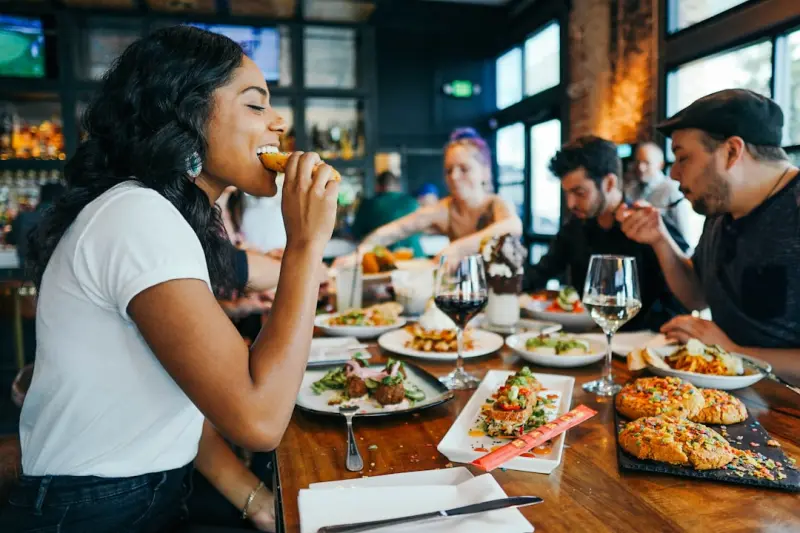
From Kitchen Floor to Cloud: How Data‑Driven Insight is Redefining the Modern Restaurant
When I first walked into a bustling downtown eatery, I expected the usual chorus of clinking glasses, the aroma of seared steak, and the frantic ballet of servers darting between tables. What I didn’t anticipate was a silent, invisible network humming behind the scenes—a network that knows which dish will sell out in ten minutes, which ingredient is about to spoil, and exactly how many guests will request a gluten‑free option on a Tuesday. This is the new reality for restaurants that have swapped intuition for insight, and it’s reshaping everything from menu design to waste management.
The Data Appetite: Why Restaurants Need More Than a Gut Feeling
Historically, restaurateurs have relied on experience, seasonal trends, and the occasional focus group to shape their menus. While that approach has produced culinary legends, it also leaves a lot of guesswork—and consequently, a lot of waste—on the table. The modern diner expects personalized experiences, rapid service, and transparency about where their food comes from. Meeting those expectations requires a level of precision that only data can provide.
- Predictive ordering: Advanced analytics can forecast ingredient needs down to the gram, cutting down over‑purchasing by up to 30%.
- Dynamic pricing: Real‑time demand signals allow kitchens to adjust menu prices on the fly, maximizing revenue during peak hours.
- Personalized recommendations: Machine learning models suggest dishes based on a guest’s past orders, dietary preferences, and even the weather outside.
These capabilities aren’t reserved for tech giants. Cloud‑based platforms, once the domain of e‑commerce, are now tailored for the food service industry, offering plug‑and‑play dashboards that anyone with a tablet can navigate.
Zero‑Waste Kitchens: Turning Scraps into Savings
Food waste is the silent budget killer in most kitchens. The smart sensor tech that’s revolutionizing health monitoring is also being repurposed to track inventory temperature, humidity, and spoilage rates in real time. When a refrigerator’s temperature drifts just a degree, an alert pops up, prompting staff to rotate stock before it goes bad.
But the real magic happens when these sensors feed data into a central AI engine that suggests menu tweaks. Imagine a soup of the day that changes weekly based on which vegetables are nearing the end of their shelf life. Not only does this reduce waste, it creates a sense of novelty that keeps regulars coming back for something new.
Guest‑Centric Menus Powered by AI
Personalization is no longer a buzzword; it’s an expectation. AI-driven recommendation engines analyze a diner’s order history, social media check‑ins, and even local events to suggest dishes that feel tailor‑made. A couple celebrating an anniversary might see a “Chef’s Tasting Experience” highlighted, while a solo traveler looking for a quick bite gets a “Power Lunch” option.
These recommendations are delivered through multiple touchpoints:
- Digital menu boards that update in real time.
- Mobile ordering apps that surface “just for you” suggestions.
- Table‑top tablets that let guests explore pairings and ingredient origins.
The result is higher check averages and a stronger emotional connection to the brand.
Community‑First Marketing: Learning from Micro‑Groups
While big‑scale advertising still has its place, the most effective campaigns now target tight‑knit groups of food lovers who share specific interests—whether it’s plant‑based eating, craft beer pairing, or regional cuisine. These micro‑communities behave like passionate fan clubs, amplifying word‑of‑mouth and providing valuable feedback loops.
By tapping into existing online forums and local meetup groups, restaurants can launch hyper‑targeted promotions that feel organic. For example, a pop‑up ramen night promoted within a local “Japanese food enthusiasts” group will see higher attendance and engagement than a generic flyer.
For a deeper dive into how micro‑communities can supercharge your marketing, check out the power of micro‑communities in restaurant marketing. The principles are remarkably similar: listen, engage, and let the community shape the experience.
Supply Chain Transparency: From Farm to Fork in Seconds
Consumers today demand to know where their food originates. Blockchain and QR‑code technology now let diners scan a dish and instantly see the farm, harvest date, and even the carbon footprint of each ingredient. This transparency builds trust and can justify premium pricing.
Beyond consumer confidence, these tools give restaurateurs a clearer view of supplier performance. If a particular farm consistently delivers late or with quality issues, the data flags it for renegotiation or replacement—preventing recurring disruptions.
Ghost Kitchens and the Hybrid Model
The rise of delivery‑only kitchens—often called ghost kitchens—has been a game‑changer for the industry. They require less square footage, lower overhead, and can be strategically placed to optimize delivery times. However, the most successful operators blend ghost concepts with brick‑and‑mortar presence, using data to decide which menu items belong in each channel.
For instance, a restaurant might keep its signature steakhouse dishes on‑site while launching a separate virtual brand that focuses on fast‑casual bowls for delivery. The data from both sides informs inventory decisions, staffing, and marketing spend, creating a feedback loop that continuously refines the offering.
Employee Experience: The Unsung Driver of Success
Technology isn’t just for the front of house. Kitchen staff benefit from handheld devices that display real‑time order queues, prep timelines, and allergen alerts. This reduces miscommunication, speeds up service, and lowers stress—leading to lower turnover rates.
Moreover, performance dashboards that highlight individual contributions (e.g., dishes prepared without waste, fastest ticket times) can be gamified to foster friendly competition. When employees see their impact quantified, they’re more likely to take ownership of the data‑driven processes.
Future‑Proofing Your Restaurant: A Step‑by‑Step Playbook
Feeling overwhelmed? Start small and scale up. Here’s a practical roadmap:
- Audit your current data sources. Identify what you already collect—POS sales, inventory logs, reservation systems—and where gaps exist.
- Choose a unified platform. Look for a cloud solution that integrates POS, inventory, and analytics in one dashboard.
- Implement sensors. Begin with temperature and humidity monitors for perishable storage.
- Train your team. Ensure staff understand how to use new tools and why they matter.
- Launch a pilot program. Pick a single menu item or shift to test predictive ordering and dynamic pricing.
- Analyze results. Use the data to refine forecasts, adjust waste‑reduction strategies, and tweak marketing messages.
- Iterate and expand. Gradually roll out successful tactics across the entire operation.
Remember, data is only as good as the actions it informs. The goal isn’t to collect metrics for their own sake but to translate insights into concrete improvements that boost profit, reduce waste, and delight guests.
Conclusion: The Restaurant of Tomorrow Is Already Here
In an industry that once prized mystery and tradition, the tide is turning toward transparency and precision. By embracing data‑driven tools—from smart sensors that keep ingredients fresh to AI that curates personalized menus—restaurants can serve guests more efficiently, sustainably, and memorably. The journey may require an upfront investment in technology and training, but the payoff is a resilient, adaptable business that can thrive in an ever‑changing culinary landscape.
So the next time you sit down for a meal and notice a tablet on your table offering a dish that perfectly matches your recent Instagram food post, know that you’re experiencing the future of dining—one that blends human creativity with algorithmic insight to create a truly unforgettable experience.

Related Posts
Beyond Taste: Restaurants Craft Immersive Experiences
Megan Morris explores the surge of immersive dining, where restaurants blend ambiance, aroma, sound,... Read More

Beyond the Plate: AR Is Redefining Dining
Augmented reality menus are turning ordinary meals into interactive stories, helping restaurants boo... Read More
The Kitchen Playground: How Restaurants Are Crafting Immersive Dining Adventures
Modern eateries are treating kitchens as experimental playgrounds, blending pop‑up labs, cross‑i... Read More
Top Posts

Purposeful Journeys: Volunteering While You Travel
Travel can be more than sightseeing; it can be a chance to give back. Explore how volunteering abroad creates lasting change for both visitors and host communit...Read More

Beyond Pixels: Legal Frontiers in the Metaverse
The metaverse is reshaping how we do business, and with it comes a wave of legal complexities—from smart contracts and IP rights to data privacy and cross‑b...Read More

Beyond the Mortgage: Uncovering Hidden Homeownership Expenses
Homeownership costs more than a mortgage. Explore hidden maintenance, renovation, and seasonal expenses, plus smart ways to budget and save for a stress‑free ...Read More

The True Price of Convenience: How On‑Demand Services Inflate Your Budget
Explore the hidden costs of on‑demand services, from food delivery fees to smart‑home subscriptions, and get actionable tips to reclaim your budget without ...Read More
0 Comments
Post Comment
You will need to Login or Register to comment on this post!