
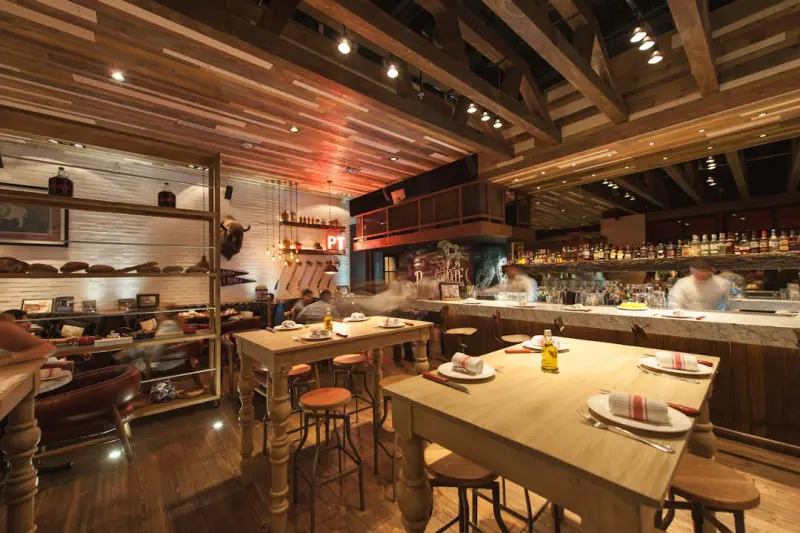
Welcome to the Kitchen Playground
When I first stepped into a bustling downtown bistro as a junior food writer, I expected the usual: a polished menu, a well‑trained staff, and the occasional Instagram‑ready dish. What I didn’t expect was to feel like I had walked onto a stage where the chefs were not just cooking, but performing. The line between kitchen and lab had blurred, and every plate was a prototype. This shift isn’t a fleeting gimmick; it’s a fundamental re‑thinking of what a restaurant can be. By treating the kitchen as a playground for experimentation, restaurateurs are creating immersive experiences that keep diners coming back not just for the food, but for the story, the scent, and the surprise.
From Static Menus to Living, Breathing Concepts
Traditional menus are static PDFs or laminated cards that rarely change. In the new model, the menu is a living document—a digital canvas that evolves hourly, sometimes even minute by minute. Chefs use real‑time data from local farms, weather forecasts, and even traffic patterns to decide what to feature that day. Imagine walking into a restaurant and seeing a chalkboard that reads, “Rain‑Inspired Risotto, crafted from locally harvested urban microgreens and a drizzle of forest‑foraged broth.” It’s a conversation starter, a nod to the community, and an invitation to be part of something fleeting and exclusive.
Pop‑Up Labs Inside Established Walls
One of the most exciting trends I’ve witnessed is the rise of pop‑up labs inside the very establishments that diners thought they knew. A fine‑dining restaurant might close its dining room for an hour each night to host a “Chef’s Lab” where guests watch the creation of a single experimental dish from concept to plate. These labs are often collaborative, pairing chefs with pastry artists, mixologists, or even local musicians. The result? A multisensory performance that blurs the line between food and art. Guests leave with more than a satisfied palate—they leave with an anecdote they’ll retell at every future dinner party.
Collaborations That Extend Beyond the Plate
Restaurants are no longer solitary islands; they’re becoming hubs for cross‑industry collaboration. Think of a sushi bar teaming up with a nearby ceramic studio to design limited‑edition plates that enhance the visual storytelling of each roll. Or a farm‑to‑table eatery partnering with a local brewery to create a “brew‑pairing” menu where each course is matched with a micro‑brew crafted specifically for that night. These collaborations serve a dual purpose: they diversify revenue streams and they embed the restaurant deeper into the cultural fabric of its neighborhood.
The Power of Sensory Storytelling
Immersive dining isn’t just about taste. It’s about orchestrating all five senses to tell a cohesive story. Some forward‑thinking eateries use subtle ambient lighting that shifts hue with each course, echoing the flavors on the plate. Others employ curated soundscapes—think gentle ocean waves during a seafood tasting, or a crackling fireplace soundtrack for a rustic winter stew. Even the scent of fresh herbs being chopped at a visible prep station can enhance anticipation. When these elements sync, diners experience a narrative arc that feels more like a theatrical production than a conventional meal.
Tech‑Enabled Transparency
While we’re steering clear of the AI‑heavy narratives that dominate many tech blogs, there’s a quieter technology reshaping the kitchen playground: transparency dashboards. Customers can now scan a QR code to view a real‑time feed showing the origin of each ingredient, the carbon footprint of the dish, and even the chef’s notes on why a particular herb was chosen. This level of openness builds trust and turns diners into educated participants rather than passive consumers. It also encourages restaurants to source responsibly, because every decision is now visible to the audience.
House‑Made Condiments: The Secret Lab Experiments
One subtle but powerful way restaurants are playing in the kitchen lab is by crafting their own condiments, sauces, and pickles. A simple house‑made kimchi or a smoked paprika aioli can elevate a dish from ordinary to unforgettable. While the broader food world has celebrated Fermentation at Home as a hobby, professional kitchens are taking these techniques a step further—treating each batch as a research experiment. They track variables like fermentation time, salt concentration, and temperature, tweaking the formula until the flavor profile hits the exact note they’re aiming for. The result is a menu peppered with exclusive, in‑house creations that can’t be replicated elsewhere.
Designing Spaces That Invite Exploration
The physical layout of a restaurant plays a pivotal role in fostering a playground atmosphere. Open‑kitchen concepts invite diners to peek behind the curtain, but some places go further, installing glass walls that rotate to reveal hidden stations—a cold‑smoke lab, a sous‑vide bunker, or even an herb garden. Seating arrangements are flexible, allowing for communal tables that encourage strangers to share stories, or intimate nooks for private tastings. By designing spaces that are modular and adaptable, restaurants can host a variety of experiences—from formal tasting menus to spontaneous cooking workshops—without sacrificing their core brand identity.
Metrics That Matter: Measuring Experiential Success
Running a kitchen playground isn’t just about creativity; it’s also about measurable impact. Restaurateurs are now tracking metrics that go beyond revenue per seat. Guest retention rates after a pop‑up lab, social media sentiment on collaborative events, and the average length of stay during sensory dining experiences are all data points that inform future iterations. This analytical approach ensures that experimentation remains sustainable—each new concept is validated by both guest enthusiasm and bottom‑line performance.
Challenges and How to Overcome Them
Embracing a playground mindset does come with hurdles. Staff must be trained to think like innovators, which can be a cultural shift for teams accustomed to routine. There’s also the risk of alienating traditional diners who prefer consistency over surprise. Successful restaurants mitigate these risks by offering a “core menu” that provides familiar favorites while clearly signaling which nights or sections are dedicated to experimental fare. Communication is key: transparent signage, pre‑dinner briefings, and digital newsletters keep guests informed and excited rather than confused.
Future Outlook: The Playground Goes Global
What started as a niche movement in urban culinary hotspots is rapidly spreading to smaller towns and even suburban settings. As supply chains become more localized and technology lowers the barrier to real‑time menu updates, any restaurant—big or small—can adopt the playground model. I envision a future where you could book a “Chef’s Lab” experience in a countryside inn, walk into a pop‑up garden kitchen in a city park, or even join a virtual tasting session where the chef streams live from a home kitchen, sending you a curated box of ingredients to recreate the dish at home.
Closing Thoughts: Play, Share, Remember
At its heart, the kitchen playground is about re‑igniting the joy of discovery—for chefs, staff, and diners alike. It transforms a meal from a routine transaction into a shared adventure, one that lingers in memory long after the plate is cleared. As we continue to blur the lines between food, art, technology, and community, the restaurants that thrive will be the ones that embrace curiosity, invite collaboration, and never stop playing.

Related Posts
The Evolution of Canadian Cuisine: A Restaurant Perspective
Canadian cuisine has undergone significant changes in recent years. Learn about the evolution of Can... Read More
When Algorithms Meet the Kitchen: AI’s Role in Shaping Tomorrow’s Menus
This article delves into how AI is becoming a sous‑chef, driving flavor innovation, sustainability... Read More
The Heart of Rural Dining: A Journey Through Local Flavors
Rural dining is about more than just food – it's about community, connection, and a sense of belon... Read More
Top Posts
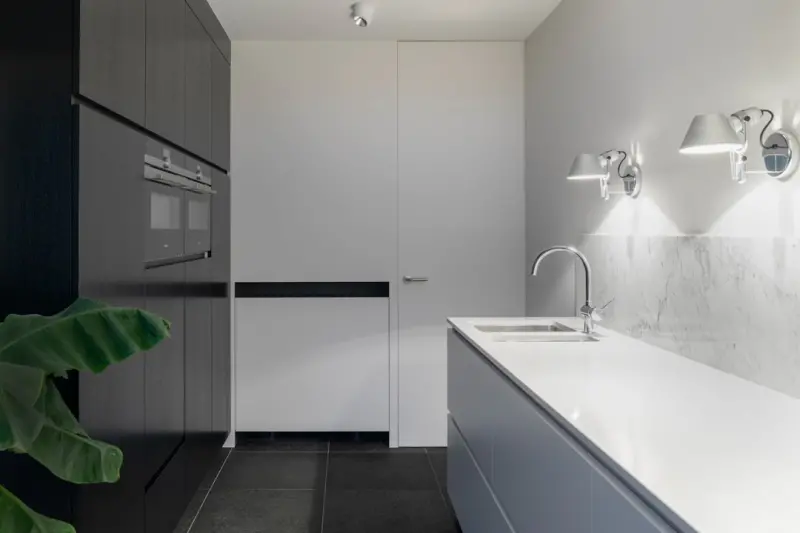
Beyond the Plate: How Open Kitchens Are Redefining Trust in Restaurants
Open kitchens turn dining into a transparent performance, fostering trust, sustainability, and a deeper connection between chef and guest....Read More

Legal Design Thinking: Making Law Clear, Accessible, and Future‑Ready
Explore the rise of legal design thinking and learn how visual tools, clear contracts, and user‑focused lawmaking are reshaping the legal landscape....Read More

Canada’s National Broadband Revolution: The Quiet Engine Powering Tomorrow’s Innovation
A deep dive into Canada’s national broadband initiative reveals its transformative impact on businesses, health wearables, and regional economies, highlightin...Read More
Beyond the Waiting Room: How Digital Health Hubs Are Redefining Care in Canada
A deep dive into the rise of digital health hubs, highlighting their role in bridging gaps for remote Canadians, empowering patients with data, and fostering mi...Read More
0 Comments
Post Comment
You will need to Login or Register to comment on this post!