
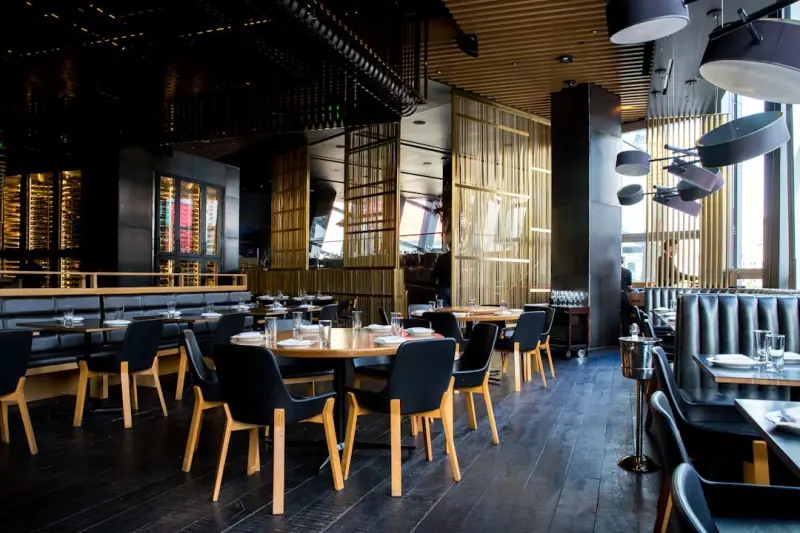
Why Immersive Dining Is Redefining the Restaurant Landscape
In an era where diners crave more than just flavor, restaurants are orchestrating experiences that engage sight, sound, smell, and even touch, turning a night out into a narrative journey that lingers long after the plates are cleared. Multi‑sensory design has moved from boutique experiments to mainstream expectations, prompting chefs and interior designers to collaborate as closely as sous‑chefs and line cooks. The result is a dining environment where a flickering candle can echo a chef’s intention, a curated playlist can accentuate the acidity of a vinaigrette, and a subtle breeze can highlight the freshness of a garden herb. This holistic approach is reshaping how we evaluate a restaurant’s success, shifting the metric from repeat orders to repeat emotions.
The Power of Light and Sound in Shaping Palates
Lighting is no longer merely functional; it is a storytelling device that can make a dish appear more vibrant, alter perceived temperature, and even influence the perceived sweetness of a dessert. Warm amber hues coax diners into a cozy mindset, encouraging indulgence, while crisp white light can sharpen focus on delicate flavors, making a sashimi platter feel more refined. Complementing illumination, ambient soundscapes—from gentle jazz to the muted hum of a rainforest—play a pivotal role in modulating taste perception, with studies showing that low‑frequency tones can heighten bitterness while high‑frequency notes can enhance sweetness. Together, these elements compose a symphony that guides the palate, proving that a well‑tuned atmosphere can be as essential as a well‑seasoned sauce.
Scent: The Invisible Ingredient Elevating Every Bite
Our sense of smell is directly linked to memory, and savvy restaurateurs are harnessing this connection by infusing dining rooms with aromas that echo the menu’s theme, creating an olfactory prelude that primes diners for what’s to come. A subtle hint of citrus can awaken the appetite before a seafood course, while the faint aroma of smoked wood can set the stage for a hearty barbecue entrée. Some kitchens go further, pairing specific scents with individual plates to intensify flavors—a practice reminiscent of the science of umami where taste and aroma converge to create depth. By mastering scent as an invisible ingredient, chefs are able to craft a seamless transition from anticipation to satisfaction, making each bite feel like the climax of a well‑written story.
Texture and Technology: From Plate to Palate
Texture has always been a silent storyteller on the plate, yet modern restaurants are now amplifying its impact through precision tools like sous‑vide circulators, nitrogen flash‑freezers, and 3‑D food printers, each designed to manipulate mouthfeel with scientific accuracy. A perfectly crisped quinoa crust can contrast a silky custard, while a cloud‑like espuma can melt into a warm broth, creating a dynamic dance that keeps diners engaged with every chew. Emerging technologies such as programmable heating plates allow chefs to adjust temperature at the moment of service, ensuring that a molten chocolate center remains decadently liquid while the outer shell stays firm. These innovations transform texture from a passive characteristic into an active, evolving component of the culinary narrative.
Interactive Tables and Augmented Reality: The Future Is Now
Digital interfaces are stepping onto the table—literally—where touch‑responsive surfaces display menu stories, ingredient origins, and even allow guests to customize flavors in real time, turning the act of ordering into a collaborative experiment. Augmented reality (AR) overlays can project a virtual farm onto the tabletop, letting diners visualize how a beet was harvested, or reveal the journey of a coffee bean from mountain to cup, deepening appreciation for the dish before the first forkful. These tools empower guests to become co‑creators, fostering a sense of ownership that transforms a simple transaction into an immersive adventure. By blurring the line between the physical and digital, restaurants are crafting moments that feel both personal and futuristic.
Storytelling Through Staff and Service
The human element remains the cornerstone of any immersive experience; well‑trained staff act as guides, weaving narratives that connect each sensory cue to a broader theme or cultural heritage. A server might recount the legend behind a regional spice blend while subtly adjusting the lighting to match the story’s mood, thereby reinforcing the tale through visual means. Training programs now emphasize emotional intelligence, encouraging employees to read guests’ reactions and adapt the sensory flow accordingly, whether that means dimming lights for a more intimate ambiance or amplifying music during a celebratory toast. This symbiotic relationship between staff and setting ensures that the sensory journey feels organic rather than contrived, creating lasting memories that inspire repeat visits.
How the pop‑up kitchen movement Paved the Way for Experiential Dining
Pop‑up kitchens, with their low‑overhead models and experimental freedom, have long served as incubators for bold sensory concepts that larger establishments later adopt on a grander scale. These temporary venues often test avant‑garde ideas—such as dining in complete darkness, multi‑course meals served on kinetic installations, or menus that evolve based on real‑time feedback from guests—without the risk of permanent commitment. Successful experiments quickly gain traction on social media, prompting mainstream restaurants to integrate the most compelling elements into their permanent spaces. In this way, the agility of pop‑ups acts as a catalyst, accelerating the diffusion of immersive techniques across the industry and proving that innovation thrives when chefs are free to experiment beyond the constraints of traditional brick‑and‑mortar operations.
Sustainability Meets Sensory Delight
Eco‑conscious diners are increasingly demanding that restaurants align environmental responsibility with sensory excellence, prompting chefs to source hyper‑local ingredients that not only reduce carbon footprints but also bring unique terroir‑driven aromas to the table. Seasonal foraging tours, for example, allow guests to harvest herbs and edible flowers on site, then watch them transformed into dishes that capture the freshness of the moment. By integrating sustainable practices into the sensory narrative—such as showcasing the crackle of a wood‑fired oven powered by reclaimed timber—restaurants convey authenticity while reinforcing their commitment to the planet. This harmony between green initiatives and immersive experiences creates a compelling value proposition that satisfies both the conscience and the palate.
Social Media Amplifies the Sensory Experience
In a world where Instagram stories and TikTok reels dominate cultural discourse, restaurants are designing their spaces with shareability in mind, ensuring that each sensory element translates into visually striking content that fuels online buzz. A dish presented with a swirling vapor or a table illuminated by bioluminescent lighting becomes a magnet for user‑generated content, turning diners into brand ambassadors who spread the experience across digital platforms. This organic promotion not only drives foot traffic but also reinforces the perception that the restaurant offers something beyond ordinary cuisine—a curated spectacle that merits both tasting and documenting. Consequently, the feedback loop between sensory design and social media exposure accelerates the adoption of immersive trends, as establishments vie for viral moments that can define their reputation.
Looking Ahead: The Next Frontier of Immersive Dining
As technology continues to evolve and diners’ appetites for novelty grow, the future of restaurant experiences will likely blend artificial intelligence, personalized scent diffusion, and adaptive environments that respond to biometric data, delivering meals tailored to each individual’s physiological state. Imagine a dinner where a smartwatch detects a guest’s stress level and subtly adjusts lighting, music, and even flavor intensity to promote relaxation, creating a bespoke therapeutic culinary journey. While the possibilities are boundless, the core principle remains unchanged: a successful immersive restaurant must harmonize every sense, tell a compelling story, and leave guests feeling transformed. By embracing this holistic philosophy, the industry can ensure that dining remains not just a meal, but an unforgettable adventure.

Related Posts
Data‑First Dining: How Restaurants Can Turn Numbers Into Flavors
Discover why a data‑first mindset is the secret sauce for today’s restaurants, from predictive m... Read More
Beyond the Plate: How Augmented Reality is Redefining the Restaurant Experience
Mark Daniels shares his hands‑on journey integrating augmented reality into his restaurant, detail... Read More
Dining Trends 2024: A Foodie’s Insider Look at Restaurants Redefining the Experience
A foodie’s insider view on 2024’s restaurant evolution—discover how hyper‑local sourcing, te... Read More
Top Posts

Warning Issued for ‘Dangerous’ Social-Media Challenges Trending Among Ontario Kids
Parents and educators across Ontario are growing increasingly concerned about a surge in dangerous social media challenges targeting kids. These trends, often f...Read More

Prom & Graduation: Why They Still Matter in 2024
From the dazzling lights of prom to the heartfelt speeches at graduation, Ryan Paterson reflects on why these rites of passage remain essential, offering tips a...Read More

Fishing With Respect: Ontario’s Path to Sustainable Angling
A deep dive into Ontario’s evolving fishing culture, blending Indigenous stewardship, innovative tools, and everyday habits to protect our lakes for future ge...Read More

Beyond Flavor: Crafting Multi‑Sensory Restaurant Experiences
Explore the power of multi‑sensory design in restaurants, from immersive lighting and curated soundscapes to smart scent diffusers and AR menus, with actionab...Read More
0 Comments
Post Comment
You will need to Login or Register to comment on this post!