

Why Fermentation is the Quiet Revolution in Canadian Kitchens
For many home cooks, the idea of letting food sit, bubble, and change on its own feels both mysterious and inviting, and that is exactly why fermentation has quietly slipped into the modern Canadian kitchen as a culinary adventure that rewards patience more than precision; the process transforms humble vegetables, grains, and sugars into tangy, probiotic‑rich treasures that can brighten any meal while supporting gut health. As I began experimenting with my own batch of sauerkraut, I discovered that the simple act of layering shredded cabbage with salt creates a living ecosystem of bacteria that not only preserves the food but also adds layers of flavor that deepen over weeks, proving that the magic of fermentation lies in its ability to turn the ordinary into the extraordinary without the need for expensive equipment. This understated shift is reshaping how we think about food storage, flavor development, and community sharing, because each jar becomes a conversation starter, a piece of living history that connects us to the practices of Indigenous peoples and early settlers who relied on natural preservation to survive harsh winters.
From Ancient Roots to Modern Tables: A Brief History
Fermentation is not a new trend but a time‑honored technique that stretches back thousands of years, from the fermented fish sauces of coastal Indigenous nations to the hearty sourdough loaves baked on pioneer homesteads, and each culture’s signature microbes tell a story of geography, climate, and ingenuity that modern chefs are now re‑examining with a scientific lens; this resurgence is more than nostalgic nostalgia—it’s a response to the desire for foods that are both sustainable and nutritionally robust. By tracing the lineage of fermented foods across Canada’s diverse regions, we see how the practice evolved from necessity to artistry, with each province developing its own specialties such as Quebec’s maple‑kissed kimchi or British Columbia’s seaweed‑infused miso, illustrating the adaptability of fermentation to local ingredients. Today’s food enthusiasts, including myself, are blending these historic methods with contemporary flavors, creating hybrid recipes that honor tradition while satisfying modern palates, proving that the past can be a fertile ground for culinary innovation.
Choosing the Right Ingredients: Local Grains, Herbs, and Wild Yeasts
The foundation of any successful fermentation lies in the quality of its raw components, and Canada’s bounty of heirloom grains, aromatic herbs, and naturally occurring yeasts offers a playground for experimentation; selecting organic carrots, wild mustard greens, or locally milled spelt not only ensures a cleaner microbial start but also infuses the final product with terroir‑specific notes that mass‑produced ingredients simply cannot replicate. I’ve found that sourcing seasonal produce from farmers’ markets and foraging responsibly for wild yeasts—like the fragrant cedar‑bark spores that thrive in the Pacific Northwest—creates a symbiotic relationship between the land and the kitchen, turning each jar into a micro‑ecosystem that reflects its environment; this mindful approach also supports local economies and reduces the carbon footprint associated with long‑distance shipping. When you pair these carefully chosen ingredients with a pinch of sea salt and a splash of filtered water, you set the stage for a fermentation that is both vibrant in flavor and rich in beneficial microbes, turning a simple recipe into a celebration of regional biodiversity.
Essential Tools that Won’t Break the Budget
One of the most empowering aspects of home fermentation is that you don’t need a laboratory full of fancy gadgets; a few sturdy glass jars, a breathable cloth or coffee filter, and a reliable kitchen scale are often enough to get started, and these tools can be sourced from thrift stores or repurposed from existing pantry items, keeping the entry cost low while maintaining food‑grade safety; the key is to choose containers that seal well yet allow gases to escape, preventing pressure buildup that could cause an unwanted explosion. I recommend investing in wide‑mouth mason jars for easy access, a small ceramic fermentation weight to keep vegetables submerged, and a silicone lid that can be loosened daily to release carbon dioxide, creating a controlled environment that encourages beneficial bacteria while deterring mold. By mastering the art of “minimalist fermentation,” you not only save money but also develop a deeper understanding of the process, as every bubble, aroma, and texture change becomes a direct feedback loop that guides your next batch, turning the kitchen into a living laboratory of flavor.
Step‑by‑Step Guide to Your First Kombucha Batch
Starting with kombucha is an excellent way to dip your toes into the world of fermented drinks, and the process is straightforward yet rewarding: begin by brewing a strong black or green tea, sweetening it with organic cane sugar, and allowing it to cool before adding a robust SCOBY (symbiotic culture of bacteria and yeast) sourced from a trusted community member or reputable online supplier, then cover the jar with a breathable cloth to keep out contaminants while letting wild yeasts and bacteria do their work; the mixture should ferment at room temperature for 7‑14 days, during which time you’ll notice a translucent film forming on the surface and a gentle fizz developing as the microbes convert sugars into acids and carbon dioxide. Throughout this period, taste the brew daily after the first week to gauge its balance between tanginess and sweetness, and once it reaches your preferred flavor profile, you can bottle it with a splash of fruit juice or ginger for a second fermentation that adds complexity and carbonation; this hands‑on approach demystifies the science behind kombucha and empowers you to customize flavors that reflect your personal palate.
Fermented Veggies: Sauerkraut, Kimchi, and Beyond
Vegetable ferments are the most accessible entry point for anyone curious about probiotic foods, and the beauty of recipes like sauerkraut and kimchi lies in their flexibility—swap cabbage for kale, add carrots, radishes, or even local wild berries to create a spectrum of textures and flavors that can accompany anything from a simple sandwich to a gourmet charcuterie board; the key is to massage the vegetables with salt until they release their natural juices, then pack them tightly into a jar so they stay submerged, creating an anaerobic environment where lactic‑acid bacteria thrive, preserving the crunch while developing a bright, tangy profile. As the days pass, the brine deepens in complexity, and you’ll notice subtle shifts—from a fresh, saline taste to a more nuanced sourness peppered with earthy undertones—signaling that the microbes are working their magic; this transformation not only extends the shelf life of the veggies but also boosts their nutritional value by increasing vitamin K2 and B‑vitamin content, turning everyday produce into functional superfoods. Experimenting with regional ingredients, such as adding maple‑glazed carrots or smoked sea salt, can further personalize the ferment, making each batch a unique reflection of your local pantry and creative instincts.
Beyond Drinks: Incorporating Ferments into Everyday Meals
Fermented foods are not limited to side dishes; they can be woven seamlessly into main courses, sauces, and even desserts, offering a depth of flavor that ordinary ingredients often lack, and one of my favorite ways to integrate them is by using a spoonful of kimchi or sauerkraut as a base for a hearty stew, allowing the tangy broth to elevate root vegetables and lean proteins while infusing the dish with probiotic goodness; similarly, a splash of kombucha can replace traditional vinegar in vinaigrettes, adding a subtle effervescence that brightens salads and grain bowls without overwhelming the palate. For those who love baking, incorporating a bit of fermented dough or sourdough starter into sweet breads and pancakes introduces a pleasant acidity that balances sweetness and improves crumb structure, a technique I’ve explored alongside the pop‑up kitchen movement where chefs experiment with limited‑time menus featuring fermented pastries. Even desserts can benefit from fermentation: a fermented fruit compote, made by allowing berries to sit with a pinch of salt and a dash of honey, develops a complex flavor that pairs beautifully with vanilla ice cream, proving that the possibilities are as endless as your imagination.
Health Benefits Backed by Science (and Grandma’s Wisdom)
Scientific research increasingly validates the health claims that generations of Indigenous peoples and grandmothers have championed for centuries, highlighting how fermented foods contribute to a balanced gut microbiome, improved digestion, and even mental well‑being through the gut‑brain axis, and studies show that regular consumption of probiotic‑rich foods can reduce inflammation, enhance immune response, and aid in the absorption of nutrients like iron and calcium, making fermentation a natural ally in holistic health; these benefits align closely with the principles outlined in eating the rainbow, which emphasizes diverse, plant‑based diets complemented by live cultures. Moreover, fermentation can increase the bioavailability of antioxidants and phytochemicals present in vegetables, turning a simple carrot into a powerhouse of beta‑carotene and vitamin C that your body can readily utilize; this transformation underscores why integrating fermented foods into daily meals is more than a culinary trend—it’s a scientifically supported strategy for long‑term vitality. By honoring both modern research and time‑tested family wisdom, we create a bridge that empowers individuals to make flavorful choices that support their health from the inside out.
Community and Culture: Sharing Ferments in the Neighborhood
One of the most rewarding aspects of home fermentation is its ability to foster connection, as each jar becomes a portable story that you can share with friends, neighbors, and local food co‑ops, turning the act of giving away a batch of kimchi or a bottle of kombucha into a cultural exchange that celebrates diversity and sustainability; organizing a weekly “Ferment Swap” at a community garden or neighborhood hall encourages participants to bring their unique creations, exchange tips, and discover new flavor profiles, reinforcing a sense of belonging while reducing food waste through collaborative preservation. These gatherings also provide a platform for intergenerational learning, where elders can teach younger cooks about traditional techniques—like the Indigenous practice of fermenting wild berries in birch bark containers—while newcomers introduce innovative twists, creating a dynamic dialogue that keeps culinary heritage alive and evolving. By embracing this communal spirit, we not only enrich our own palates but also strengthen the social fabric of our neighborhoods, proving that the simple act of fermenting can ripple outward, nurturing both bodies and bonds.

Related Posts
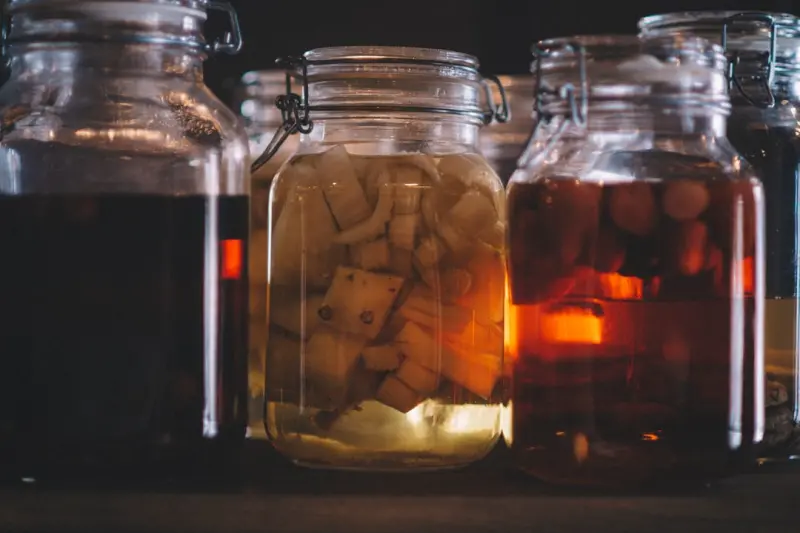
The Fermentation Revival: Bringing Wild Flavors to Your Kitchen
Fermentation offers a simple, flavorful way to enhance meals, support gut health, and foster communi... Read More
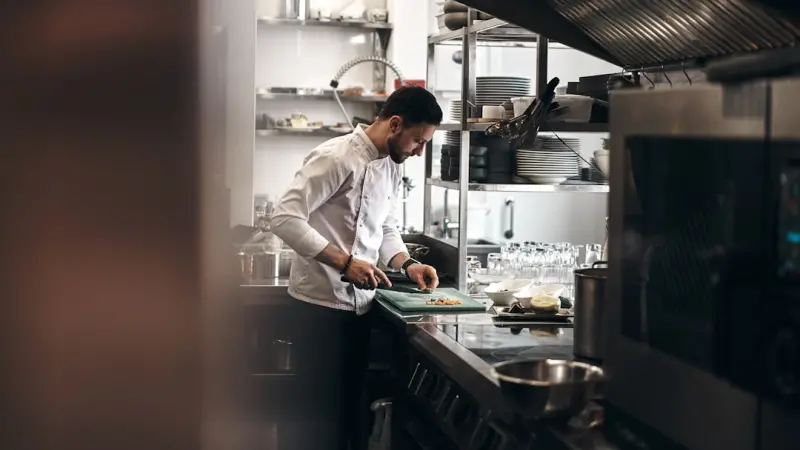
The Ghost Kitchen Revolution: How Invisible Restaurants Are Redefining Dining
Ghost kitchens are the invisible arteries of today’s food ecosystem, offering chefs rapid iteratio... Read More

The Flavors of Rural America: A Culinary Journey Through the Heartland
Join me on a culinary journey through the heartland of rural America, where traditional farm-to-tabl... Read More
Top Posts

Digital Health Trends Redefining Workplace Wellness
A deep dive into the rise of data‑driven health in the workplace, highlighting predictive analytics, privacy‑first design, and community health hubs that bo...Read More

Canada’s Quiet Home Energy Shift: How Solar and Storage Are Redefining Everyday Life
A deep dive into Canada’s growing residential solar movement, revealing how rooftop panels, home batteries, and community micro‑grids are cutting costs, boo...Read More

Turning Ethical Data Practices into a Business Moat
Discover why ethical data handling is now a strategic differentiator for B2B firms, and how integrating zero‑party data and composite SaaS bundles can create ...Read More

From Stage to Street: How Canada’s Live Storytelling is Redefining Entertainment
Canadian audiences are flocking to pop‑up storytelling events, where local voices, indie theater, and immersive narratives create a fresh, community‑driven ...Read More
0 Comments
Post Comment
You will need to Login or Register to comment on this post!