
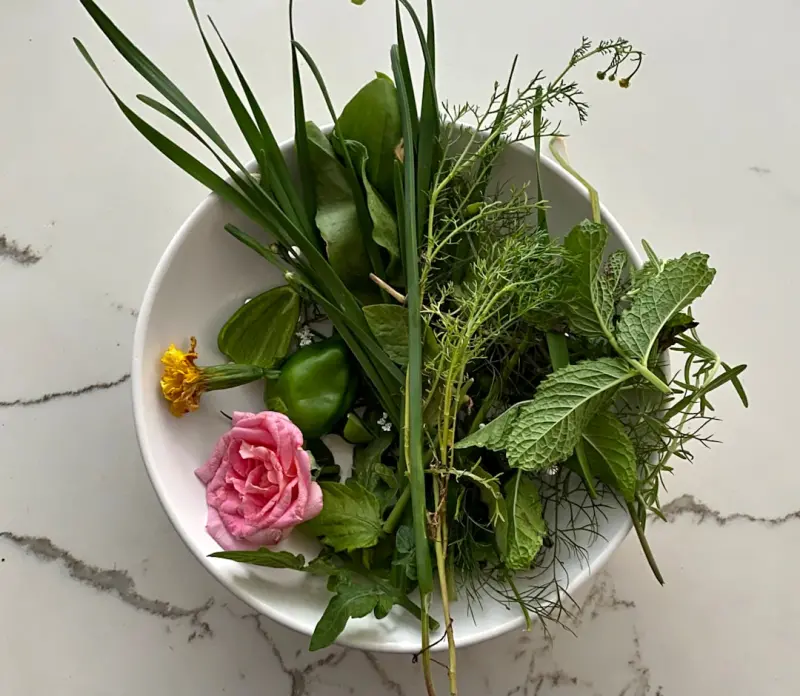
Foraging the Modern Kitchen: How Wild Ingredients Supercharge Your Health
When I was a kid, the woods behind my grandparents’ farmhouse were a pantry of endless possibility. I’d wander under the canopy, pockets filling with dandelion greens, pine needles, and the occasional burst of wild berry. Back then, it was an adventure; today, it’s a blueprint for a healthier, more resilient diet. In a world saturated with processed convenience, re‑learning the art of foraging can be a radical act of nourishment—one that reconnects us to the land, diversifies our nutrient intake, and even bolsters our mental well‑being.
Why wild foods matter isn’t just a romantic notion. Research shows that many foraged plants contain higher concentrations of phytonutrients than their cultivated cousins. Those bright red Amaranth leaves, for instance, pack a potent mix of vitamin C, iron, and antioxidant flavonoids that can outshine even the most carefully engineered kale. Food pairing science often emphasizes the synergy between ingredients; foraged foods naturally embody that synergy because they’ve evolved to thrive together in their native ecosystems.
The Nutrient Blueprint of the Wild
When you compare a handful of fresh nettle to a bag of store‑bought spinach, the differences are stark. Nettle boasts up to ten times more calcium, a mineral crucial for bone health and nerve transmission. Similarly, pine needle tea delivers a surprising dose of vitamin K, supporting blood clotting and heart health. The secret lies in the plant’s need to protect itself—its skins, leaves, and roots are armored with compounds that defend against insects, UV radiation, and drought. Those same compounds, once ingested, become the body’s own defense squad.
- Polyphenols & Antioxidants: Wild berries (e.g., serviceberries, hawthorn) contain anthocyanins that combat oxidative stress and may reduce inflammation.
- Mineral Richness: Dandelion roots are a natural source of potassium and magnesium, supporting muscle function and blood pressure regulation.
- Fiber Power: The tough cellulose in many wild greens feeds beneficial gut bacteria, promoting a diverse microbiome.
Integrating these powerhouses doesn’t require a Ph.D. in botany. A simple “forage and fry” approach—sautéing a mix of chickweed, sorrel, and young garlic mustard with olive oil—creates a nutrient‑dense side dish that can accompany any main course.
Seasonal Strategies: When to Harvest, When to Rest
One of the most rewarding aspects of foraging is learning the seasonal rhythm of each plant. Early spring brings the tender shoots of ramp (wild leek) and morel mushrooms—both prized for their earthy umami that can replace salt without the sodium load. Summer offers an abundance of berries, while fall yields the hearty leaves of chard and burdock root. By aligning your meals with these cycles, you naturally diversify your intake of vitamins, minerals, and phytochemicals throughout the year.
But foraging isn’t a free‑for‑all. Sustainable harvesting—taking only what you need, leaving enough for pollinators and future growth—is essential. The principle mirrors the AI-driven kitchen innovations that aim to minimize waste: respect the source, and it will continue to give.
From Forest to Fork: Practical Tips for the Urban Forager
Living in a city doesn’t mean you’re cut off from wild foods. Community gardens, municipal green spaces, and even the cracks between sidewalk slabs can harbor edible plants. Here are some actionable steps to start your foraging journey:
- Get a field guide: A reliable identification book (or an app with expert verification) is your first line of defense against accidental toxicity.
- Start small: Focus on one or two easily recognizable species—like dandelion, chickweed, or purslane—before expanding your repertoire.
- Harvest responsibly: Cut, don’t pull; leave at least 60 % of the plant intact to ensure regeneration.
- Clean thoroughly: Rinse in filtered water and consider a quick blanch to remove surface contaminants.
- Preserve wisely: Freeze leafy greens in ice‑cube trays with a splash of broth for later use in soups or smoothies.
When you bring these wild greens into the kitchen, you’ll notice an immediate boost in flavor complexity. A dash of fresh sorrel can brighten a creamy soup, while a handful of pine needles can lend a subtle, resinous note to a vinaigrette.
Gut Health Meets the Wild Frontier
Your microbiome is a bustling metropolis of microbes that thrive on dietary diversity. While probiotic supplements have their place, the real star is prebiotic fiber—especially the resistant starches and inulin found in many foraged plants. For example, burdock root’s inulin content feeds Bifidobacteria, a beneficial genus linked to improved digestion and immune modulation.
Incorporating a rotating selection of wild foods ensures that no single microbial colony dominates, reducing the risk of dysbiosis (an imbalance that can lead to inflammation, mood swings, and even skin issues). Think of your gut as a garden: the more varied the plantings, the richer the harvest.
Cooking Wild: Techniques that Preserve Nutrients
Heat can both enhance and diminish the nutritional profile of foods. Lightly steaming or quick‑sautéing most wild greens retains their water‑soluble vitamins (like vitamin C) while breaking down tough cell walls to make minerals more bioavailable. Overcooking, however, can degrade these precious compounds.
Here’s a simple three‑step method to honor the integrity of your foraged finds:
- Flash‑blanch: Submerge greens in boiling water for 30 seconds, then shock in ice water. This locks in color and nutrients.
- Sauté with aromatics: Use a splash of cold‑pressed olive oil, minced garlic, and a pinch of sea salt to coax out natural flavors.
- Finish with acidity: A squeeze of lemon or a splash of apple cider vinegar brightens the dish and aids mineral absorption.
This technique works beautifully with dandelion greens, chickweed, or even young nettle shoots—turning a humble foraged basket into a gourmet plate.
Beyond Nutrition: The Mental Edge of Wild Eating
There’s a growing body of evidence linking diet to mental health. The act of foraging itself—walking in nature, breathing fresh air, and engaging the senses—reduces cortisol, the stress hormone. When you combine that experience with the consumption of nutrient‑dense wild foods, you create a double‑dose of mood‑boosting benefits.
Compounds like polyphenols and omega‑3 fatty acids, abundant in many wild berries and seeds, have been shown to support neurotransmitter balance and neuroplasticity. In practical terms, this can translate to sharper focus during a remote‑workday, steadier emotions during high‑pressure meetings, and a general sense of well‑being that lasts beyond the next meal.
Integrating Foraged Foods into a Busy Lifestyle
Many readers think that foraging is a weekend hobby incompatible with a demanding schedule. The truth is that even a modest weekly foraging session can supply a week’s worth of greens. Pair that with batch‑cooking: sauté a large pot of mixed wild greens, portion into containers, and reheat as needed. Freeze surplus berries for smoothies, or dry herbs for teas that you can sip throughout the day.
For those who lack immediate access to natural spaces, local CSA (Community Supported Agriculture) programs increasingly include “wild harvest” boxes. These curated selections bring the forest to your doorstep, complete with recipes and handling instructions.
Closing Thoughts: A Call to Rewild Your Plate
We live in an age where technology can predict the exact nutrient profile of a meal before you order it. Yet, the most potent nutrition still comes from the earth itself—raw, unprocessed, and often overlooked. By embracing the practice of foraging, you’re not just adding exotic flavors to your dishes; you’re diversifying your micronutrient intake, nurturing a resilient gut, and gifting yourself the mental calm that only nature can provide.
So, next time you hear the wind rustle through a stand of trees or spot a cluster of bright berries along a trail, pause. Consider the possibility that the next superfood on your plate might be growing just outside your front door.

Related Posts

Fermentation Meets Seasonality: A Fresh Path to Vibrant Health
Explore the synergy of fermentation, seasonal eating, and wild foraged greens to create nutrient‑r... Read More

Fermented Foods: Tiny Cultures, Big Benefits
Explore the science behind fermentation, learn easy recipes, and see how probiotic foods can improve... Read More
Fermented Foods: Tiny Powerhouses Transforming Modern Nutrition
Explore the rise of fermented foods, their science-backed gut benefits, simple starter recipes, and ... Read More
Top Posts

AI in the Courtroom: Balancing Innovation with Justice
AI is entering Canadian courts faster than regulations can keep up, raising ethical dilemmas that lawyers must confront to preserve fairness and transparency....Read More

Inside Canada’s Healthcare: What’s Working and What Needs Fixing
A candid look at Canada’s health system reveals the balance of universal care, hidden challenges, and actionable steps for patients to thrive within the syste...Read More

Winter Street Fairs: Canada’s Cold‑Season Social Revival
Canadian cities are reimagining cold weather by turning sidewalks into bustling winter fairs, where local chefs, artisans, and performers gather to create a vib...Read More

Why Working From Anywhere Isn’t the Budget‑Boost Everyone Assumes
Why Working From Anywhere Isn’t the Budget‑Boost Everyone Assumes When I first swapped the daily commute for a home‑based desk, the promise of saved fuel ...Read More
0 Comments
Post Comment
You will need to Login or Register to comment on this post!