
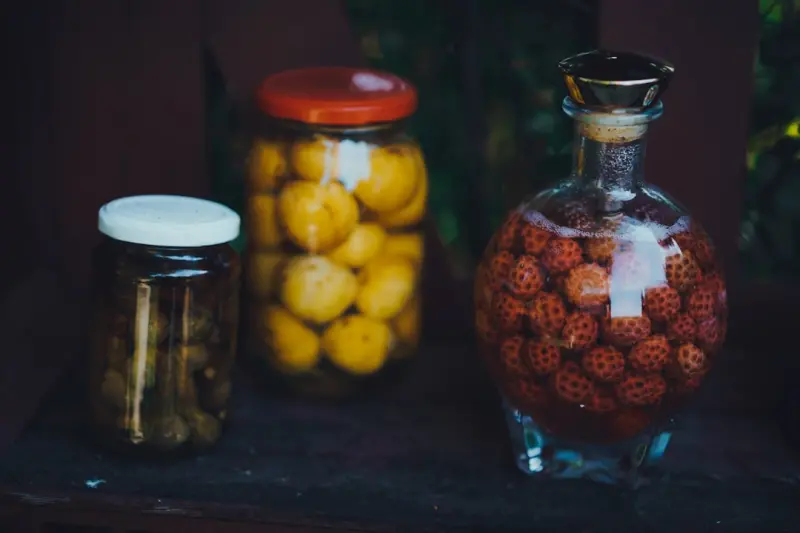
There’s a quiet rebellion brewing in kitchens across the country, and it isn’t about the latest gadget or a trendy superfood. It’s the art of home fermentation, a centuries‑old technique that’s being re‑imagined by curious cooks who crave depth, complexity, and a little bit of science in their meals. By coaxing wild microbes to transform humble vegetables, dairy, or grains into tangy, umami‑rich treasures, we’re unlocking flavors that grocery‑store shelves simply can’t replicate. In my own pantry, a simple jar of sliced carrots can become a bright, probiotic‑packed snack that sings with a subtle brine, proving that patience truly does pay off in taste.
Choosing the Right Microbial Partners
Before you toss ingredients into a mason jar, consider the invisible crew you’re inviting to the party: lactobacilli, yeasts, and occasionally molds, each with its own personality and palate. Sourcing a starter culture can be as simple as borrowing the liquid from a trusted store‑bought sauerkraut, or as adventurous as cultivating a kefir grain from a friend who swears by its “magical” properties. The key is consistency; a well‑balanced starter ensures that the fermentation progresses predictably, avoiding the dreaded “off” aromas that can turn excitement into disappointment. Patience and observation become your best tools, as you watch bubbles form and aromas shift, learning the language of the microbes you’re nurturing.
Flavor Layering: Beyond Salt and Acid
Salt and acidity are the backbone of any successful ferment, but the real magic happens when you start layering complementary flavors. Think ginger slices, crushed coriander seeds, or a splash of apple cider vinegar added midway through a kimchi batch to introduce a fresh zing. Even a handful of dried chilies can transform a mild pickled cucumber into a bold, fiery accompaniment for summer barbecues. By experimenting with herbs, spices, and even fruit peels, you create a symphony of taste that evolves over days, offering a new dimension to every bite. A well‑crafted fermented condiment can elevate a plain grilled cheese into a gourmet experience, turning simple comfort food into a canvas for culinary creativity.
Turning Scraps into Stars
One of the most satisfying aspects of fermentation is its ability to turn kitchen waste into culinary gold. Stale beet tops, carrot greens, or the ends of celery stalks can all be rescued and fermented into tangy relishes that add crunch and brightness to salads or sandwiches. This low‑waste approach not only reduces the amount of food you discard, but also introduces a unique flavor profile that you wouldn’t find in store‑bought versions. By embracing the “scrap‑to‑snack” philosophy, you cultivate a more sustainable kitchen while discovering hidden gems that surprise the palate. It’s a small step that makes a big impact on both your wallet and the planet.
Kitchen Hacks for Fermentation Success
You don’t need a temperature‑controlled fermenter to achieve consistent results; a simple glass jar, a weight, and a breathable cloth can do the trick. Use a clean, food‑grade stone or a small fermentation weight to keep vegetables submerged, preventing mold from forming on the surface. A tightly woven cheesecloth secured with a rubber band allows gases to escape while keeping insects out—a cheap, effective alternative to expensive airlock lids. For those living in cooler climates, placing the jar inside a turned‑off oven with the light on creates a gently warm environment that encourages lively microbial activity without overheating.
Sharing the Ferment: Community and Connection
Fermented foods have a social side that’s often overlooked. Swapping jars of kimchi, kombucha, or miso with neighbors turns a solitary hobby into a communal ritual, fostering conversation and cultural exchange. Hosting a “Ferment Night” where friends bring their latest creations encourages experimentation and feedback, turning the kitchen into an incubator for new ideas. These gatherings can also become educational moments, where you demystify the process for newcomers, breaking down misconceptions about safety and “grossness.” The act of sharing not only spreads flavor but also builds a supportive network of fellow fermenters.
Pairing Ferments with Drinks
Just as wine and cheese have long been celebrated together, fermented foods and beverages can create harmonious pairings that amplify each other’s qualities. A crisp, lightly fermented cucumber pickle pairs beautifully with a chilled pilsner, the effervescence cutting through the brine’s saltiness. Meanwhile, a robust, miso‑laden ramen broth can be complemented by a modestly sweet, low‑alcohol kombucha, balancing umami with a refreshing finish. Experimenting with these combos can lead to surprising discoveries, such as a spicy fermented salsa that shines when paired with a slightly sweet hard cider, the carbonation soothing the heat while enhancing the fruit notes.
Saving Money While You Ferment
Fermentation isn’t just a flavor adventure; it’s also a savvy financial move. By turning inexpensive, seasonal produce into premium‑grade condiments, you dramatically lower the cost of adding gourmet touches to everyday meals. Want a high‑quality hot sauce without the boutique price tag? Ferment your own chilies, add a splash of vinegar, and you’ve got a pantry staple for a fraction of the cost. For those looking to stretch their grocery budget further, the Unlock Hidden Savings guide offers practical tips that pair perfectly with the frugal mindset of a home fermenter.
Looking Ahead: The Future of Home Fermentation
As more people discover the joys of fermenting at home, we’re likely to see a surge in innovative flavors, hybrid techniques, and even cross‑disciplinary collaborations with brewers, bakers, and mixologists. Imagine a fermented fruit puree that doubles as a cocktail base, or a miso‑infused cheese that blurs the line between dairy and umami. The possibilities are endless, and the only limit is your imagination. So, grab a jar, invite some friendly microbes, and join the movement that’s turning kitchens into micro‑labs of delicious discovery. And if you ever feel stuck, remember that even a simple trip to the farmer’s market can spark the next big ferment—just like the inspiration you might find on When the Bus Becomes a Cruise when you’re on the go.

Related Posts

The Flavors of Community: How Local Food Can Bring People Together
Local food systems have the power to bring people together and promote community development. By sup... Read More

Sip Sustainably: The Zero‑Waste Cocktail Movement That's Shaking Up Bars
Zero‑waste mixology is reshaping the bar scene, turning leftover ingredients into innovative drink... Read More

Sensing Flavor: How Sound, Light, and Aroma Are Redefining the Restaurant Experience
Restaurants are turning ambience into a competitive edge by using curated soundscapes, smart lightin... Read More
Top Posts

Reeling in the Future: Ontario’s Farm‑to‑Table Fish Revival
Ontario’s anglers are turning their catches into culinary experiences, partnering with local chefs and processing co‑ops to create a farm‑to‑table fish ...Read More

When Screens Stress You: Real‑Time Strategies for Digital Well‑Being
Learn how to counteract the hidden stress of constant screen exposure with biofeedback wearables, micro‑break rituals, and nature‑based grounding techniques...Read More

Charting New Waters and Roads: How Curated Cruise and Bus Tours Fuel Executive Insight
Executive travel is evolving beyond leisure. Curated cruise and bus tours now blend cultural immersion, sustainability, and leadership development, turning ever...Read More

Streaming Canada’s Classics: How Old TV Finds New Fans
A deep dive into how streaming platforms revive beloved Canadian TV classics, bridging generations and reshaping the nation’s entertainment landscape....Read More
0 Comments
Post Comment
You will need to Login or Register to comment on this post!