
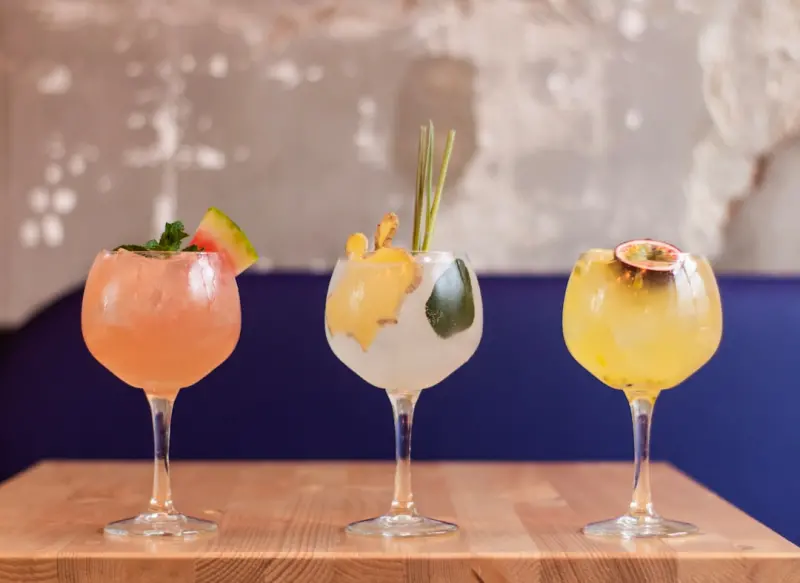
From Forest Floor to Glass: Rethinking the Cocktail Menu
When I first stepped into a dim‑lit bar that listed pine needles and dandelion roots alongside gin and vermouth, I realized the world of drinks was craving a fresh narrative—one that honors the land as much as the spirit. Zero‑waste mixology isn’t just a buzzword; it’s a philosophy that invites bartenders to see every leaf, bark, and fruit peel as a potential flavor catalyst, turning what would be compost into a headline‑making libation. In my own kitchen experiments, I’ve learned that the line between garden and bar can blur, offering patrons a story that starts in the soil and ends in a perfectly chilled glass.
Sourcing the Unseen: Local Forests, Urban Gardens, and Forgotten Flavors
While most menus celebrate seasonal produce, few venture beyond the farmer’s market to the wild edges of city parks and suburban woodlands, where foraged ingredients wait in abundance and anonymity. By partnering with knowledgeable foragers, bars can curate a rotating roster of botanicals that change not only with the season but with the moon’s phases, delivering a sense of discovery that no imported garnish can match. For inspiration on how local sourcing can transform a dining experience, check out hyper‑local pop‑up kitchens, which demonstrate the power of community‑driven ingredient hunts.
Zero‑Waste Techniques That Elevate Every Sip
Every citrus peel, herb stem, and spent coffee bean holds a reservoir of aromatic oils and bitters that, when harnessed correctly, can replace costly commercial extracts while reducing landfill contributions. Simple methods such as infusing spirits with spent tea leaves or creating “cask‑finished” syrups from leftover fruit skins allow bartenders to craft complex profiles without additional waste. The process often involves low‑tech tools—a vacuum sealer, a mason jar, or a sous‑vide bath—making it accessible to both high‑end cocktail lounges and home enthusiasts eager to experiment.
The Art of Foraged Cocktails: Recipes That Tell a Story
Imagine a cocktail that begins with a splash of gin, followed by a tincture made from pine sap, and finishes with a foam scented by freshly harvested rosemary—each sip echoing the forest’s quiet hush. In practice, I start by gathering a handful of oak leaves, bruising them gently, and steeping them in vodka for 48 hours, resulting in a wood‑infused spirit that adds depth to a classic Old Fashioned. Complement this with a smoked honey drizzle harvested from local beekeepers, and you have a drink that not only tastes extraordinary but also sparks conversation about sustainability and stewardship.
Sweetening Naturally: Beyond Sugar, Toward Botanical Balance
Traditional sugar syrups dominate the cocktail world, yet they mask the nuanced sweetness found in nature’s own pantry. By turning to lesser‑known sweeteners such as maple blossom sugar or fermented fruit purées, mixologists can achieve layered sweetness that supports the drink’s botanical backbone rather than overwhelming it. These alternatives often bring additional flavor notes—caramel, citrus, or subtle spice—that enhance the overall profile while aligning with the zero‑waste ethos.
Seasonal Pairings: Matching Drinks with Food for Maximum Impact
The true magic of a foraged cocktail emerges when paired with dishes that echo its botanical roots, creating a symphony of flavors that dance across the palate. A beet‑infused martini, for example, pairs beautifully with roasted root vegetables glazed in a thyme‑honey reduction, while a spruce‑needle gin fizz finds its counterpart in smoked salmon topped with dill and lemon zest. By thinking holistically about the menu, chefs and bartenders can craft experiences where each bite and sip reinforce the other, turning a simple dinner into an immersive culinary narrative.
DIY Fermentation at Home: Building Your Own Bitters and Shrubs
Fermentation offers a gateway to complex, self‑sustaining flavor bases that can replace store‑bought bitters and syrups, giving you control over acidity, sweetness, and aromatic intensity. Begin with a jar of equal parts water and raw apple cider, add a handful of wild herbs, and let it sit for a week, shaking daily; the result is a tangy shrub that can brighten any cocktail. Similarly, a simple bitter made from fermented dandelion roots and orange peel can add depth to a Manhattan without the need for expensive imports, embodying the spirit of resourceful creativity that defines modern mixology.
Bringing the Forest to the Bar: Practical Steps for Establishments
For bars ready to embrace this movement, the transition starts with education—training staff on safe foraging practices, building relationships with local herbalists, and establishing a small “wild pantry” behind the bar. Investing in a modest inventory of reusable glass jars, airtight containers, and labeling tools ensures that every foraged find is stored correctly and used efficiently. Over time, the menu evolves organically, reflecting the season’s bounty and the team’s growing confidence, ultimately delivering a distinctive experience that sets the establishment apart in a crowded market.

Related Posts

Sip Sustainably: The Emerging Wave of Climate-Ready Beverages
The beverage industry faces climate challenges, prompting a shift toward climate‑ready ingredients... Read More
AI‑Powered Flavor Pairing: Turning Everyday Ingredients into Gourmet Adventures
AI-powered flavor pairing tools use food chemistry and machine learning to suggest unexpected, delic... Read More

Zero‑Waste Gourmet: Turning Kitchen Scraps into Star Dishes
Learn practical techniques for zero‑waste cooking, from building a flavorful scrap stock to crafti... Read More
Top Posts

Community Health Hubs: Bringing Care Home to Canadians
Community health hubs are emerging as a practical solution to Canada’s healthcare access gaps, offering co‑located services, telehealth, and community‑foc...Read More

Beyond Sightseeing: Turning Cruise Port Stops and Bus Tours into Story‑Rich Adventures
Learn to turn ordinary cruise shore stops and bus routes into vivid, story‑driven experiences—mixing culture, cuisine, photography, and mindful travel for u...Read More

The Rise of NB.1.8.1: Ontario's Projected Dominant Strain and How to Protect Yourself
As the landscape of the COVID-19 pandemic continues to evolve, a new variant is poised to take center stage in Ontario. NB.1.8.1, a sublineage of the Omicron va...Read More
Reeling in the Future: How Ontario Anglers Are Adapting to Changing Waters
Ontario anglers are navigating evolving fish patterns, cutting‑edge gear, and community rituals, offering fresh insights for anyone looking to master the prov...Read More
0 Comments
Post Comment
You will need to Login or Register to comment on this post!