

When I first stumbled upon a glass jar of bubbling kombucha in my grandmother’s pantry, I thought I’d uncovered a secret potion for perpetual energy. Fast‑forward a decade, and that curiosity has blossomed into a full‑blown obsession: the modern fermentation renaissance. From kefir‑filled mason jars on balcony railings to mushroom‑infused coffee blends on downtown office desks, the DIY culture around cultured foods is no longer a niche hobby—it’s a mainstream movement reshaping how we think about flavor, health, and sustainability.
Why Fermentation Is the New Frontier in Food Innovation
Fermentation isn’t just a culinary technique; it’s a living, breathing laboratory that lives inside your refrigerator. The process leverages beneficial microbes—yeasts, bacteria, and molds—to transform simple ingredients into complex flavor profiles while extending shelf life and boosting nutrition. Below are three compelling reasons why the fermented wave is gaining unstoppable momentum:
- Health Benefits: Fermented foods are natural probiotics, supporting gut health, immunity, and even mental wellbeing. Studies show that regular consumption can improve digestion and reduce inflammation.
- Environmental Impact: By extending the life of produce and reducing food waste, fermentation offers a low‑tech solution to one of the planet’s biggest challenges.
- Culinary Creativity: The endless possibilities for flavor pairing make fermentation a playground for both home cooks and professional chefs alike.
The Home Fermentation Toolkit: What You Really Need
Contrary to popular belief, you don’t need a state‑of‑the‑art lab to start fermenting. A handful of everyday items can turn your kitchen into a micro‑biome hub:
- Containers: Wide‑mouth glass jars or ceramic crocks with air‑tight lids.
- Weight: Small glass weights or clean stones to keep ingredients submerged.
- Salt & Sugar: Non‑iodized sea salt for brining and raw sugar for kombucha SCOBYs.
- Temperature Control: A simple spot on the counter that stays between 65‑75°F (18‑24°C) works for most fermentations.
- Patience: The most essential ingredient—most fermentations need 2‑7 days, but the flavor deepens with time.
Trending Ferments You Can Master This Weekend
Below are six ferments that are gaining traction on social feeds, community markets, and even corporate wellness programs. Each brings a unique taste and set of benefits.
1. Kombucha – The Fizzy Elixir
Once the darling of hipster cafés, kombucha has found a permanent home in mainstream grocery aisles. Its symbiotic culture of bacteria and yeast (SCOBY) transforms sweet tea into a tangy, effervescent drink packed with B‑vitamins and organic acids. To start, blend black tea, a splash of raw honey, and a SCOBY in a jar, then let it ferment for 5‑7 days.
2. Water Kefir – The Dairy‑Free Probiotic
If dairy is a no‑go for you, water kefir offers a sparkling alternative. Using water kefir grains—a gelatinous blend of bacteria and yeast—you can ferment sugar water, coconut water, or even fruit juice. The result is a lightly carbonated beverage that’s gentle on the stomach and perfect for flavor experiments with ginger, hibiscus, or citrus.
3. Kimchi – The Spicy Powerhouse
Rooted in Korean tradition, kimchi’s combination of cabbage, radish, garlic, ginger, and gochugaru (Korean chili flakes) creates a tangy, umami‑rich side dish that can be enjoyed raw or cooked. The fermentation process not only intensifies flavor but also generates lactic acid bacteria that support gut health.
4. Miso – The Umami Builder
While miso is a staple in Japanese kitchens, making it at home is now more approachable thanks to starter cultures and detailed guides circulating online. By fermenting soybeans (or a blend of beans, grains, and salt) for months, you produce a paste that adds depth to soups, marinades, and dressings.
5. Sourdough – The Artisan Bread Revival
Sourdough’s resurgence isn’t just about Instagram‑worthy loaves; it’s about harnessing wild yeast and lactobacilli to produce bread with superior texture, flavor, and shelf life. Maintaining a starter—essentially a living culture—allows bakers to craft loaves that are both crispy on the crust and chewy inside.
6. Fermented Coffee – The Mushroom‑Infused Brew
Enter the world of mushroom coffee, where functional fungi like Lion’s Mane and Chaga are combined with coffee beans and fermented to create a beverage that claims to boost focus and reduce stress. Though still niche, it’s catching on among remote workers seeking a calm caffeine lift.
From Kitchen to Office: Fermentation Meets the Modern Workspace
One of the most surprising trends is the migration of fermented snacks into corporate environments. Companies are recognizing that offering probiotic‑rich foods can enhance employee wellness, reduce sick days, and even improve creativity. Imagine a breakroom stocked with office snack revamp ideas that include kefir drinks, kimchi‑topped salads, and miso‑infused popcorn.
These initiatives aren’t just feel‑good perks; they’re backed by data linking gut health to mental clarity. By placing fermented options at eye level, employers are subtly encouraging healthier choices that keep the workforce energized without the crash of sugary snacks.
Fermentation and Sustainability: A Low‑Tech Solution to Food Waste
Each jar of fermenting veggies represents a small victory against food waste. Instead of letting excess produce wilt, you can extend its life and create value. Here’s how fermentation aligns with circular economy principles:
- Extending Shelf Life: Fermentation preserves nutrients that would otherwise degrade, meaning fewer trips to the grocery store.
- Reducing Landfill Emissions: By diverting organic waste from landfills, you cut down on methane—a potent greenhouse gas.
- Local Sourcing: Many home fermenters source produce from nearby farmers’ markets, supporting local agriculture and decreasing transportation emissions.
Getting Started: A Step‑by‑Step Kombucha Guide
If you’re ready to dive in, here’s a quick, no‑nonsense recipe to kick off your fermentation journey.
- Gather Ingredients: 1 liter of water, 2 tablespoons of loose‑leaf black tea, 80 grams of raw honey, and a healthy SCOBY.
- Boil and Cool: Bring water to a boil, steep tea for 5 minutes, then dissolve honey. Let the mixture cool to room temperature.
- Add the SCOBY: Transfer the sweetened tea to a clean glass jar, gently place the SCOBY on top, and cover with a breathable cloth secured with a rubber band.
- Ferment: Store the jar in a dark, warm spot for 5‑7 days. Taste daily; when it reaches your preferred balance of sweetness and tang, it’s ready.
- Second Fermentation (Optional): Transfer to sealed bottles with fruit puree or herbs for carbonation. Let sit another 2‑3 days, then refrigerate.
Once you master kombucha, the skills translate to other ferments—just adjust the substrate and microbes accordingly.
Community Fermentation: The Rise of Pop‑Up Culture Labs
Across Canada’s urban neighborhoods, pop‑up “culture labs” are emerging as communal spaces where enthusiasts share starter cultures, trade recipes, and host workshops. These grassroots hubs echo the collaborative spirit found in DIY culture across Canadian neighborhoods, but with a culinary twist.
Typical events include “Kombucha Swaps,” where participants exchange flavored jars, and “Miso Masterclasses,” featuring local chefs demonstrating how to incorporate miso into everyday dishes. Such gatherings not only democratize knowledge but also create a sense of belonging—a vital ingredient in any thriving food movement.
Flavor Pairing Without the Lab: Intuitive Fermentation
While scientific research can pinpoint the exact compounds responsible for a flavor’s appeal, many fermenters rely on intuition honed by trial and error. For instance, adding a slice of fresh ginger to your kimchi brine can introduce a subtle spice that balances the cabbage’s earthiness. Similarly, a handful of dried apricots in a kefir blend can add a sweet counterpoint to the tangy base.
Experimentation is encouraged. Keep a fermentation journal noting the ingredients, ratios, temperature, and duration. Over time, patterns emerge, and you’ll develop a personal palate for what works best in your kitchen.
Fermentation Meets Technology: Smart Sensors for the Curious
Even the most low‑tech fermenters are now flirting with smart gadgets. Bluetooth‑enabled temperature probes, pH meters that sync with smartphone apps, and even AI‑driven recipe suggestions are entering the market. While these tools aren’t essential, they can help you fine‑tune your process, especially when scaling up for community events or small‑batch sales.
For those who prefer a hands‑off approach, a simple digital thermometer can alert you when your ferment reaches the ideal temperature range, preventing over‑fermentation or off‑flavors.
Monetizing Your Ferments: From Hobby to Side Hustle
If your ferments gain a following, turning them into a profitable venture is more feasible than ever. Here’s a quick roadmap:
- Start Small: Sell jars at local farmers’ markets or through online community groups.
- Branding: Create a memorable name, label design, and story that resonates with health‑conscious consumers.
- Compliance: Research local food safety regulations and secure any necessary permits.
- Distribution: Partner with boutique grocery stores, cafés, or co‑working spaces that value artisanal products.
- Scale Thoughtfully: Invest in larger fermentation vessels only after demand consistently outpaces supply.
Remember, the most successful ferment businesses emphasize transparency—share the source of your ingredients, your fermentation timeline, and the health benefits of each product.
Conclusion: Your Kitchen as a Living Laboratory
Fermentation is more than a trend; it’s a cultural shift toward mindful consumption, sustainable living, and culinary exploration. Whether you’re sipping a fizzy kombucha on a sunny balcony, sprinkling miso over roasted vegetables, or swapping starter cultures at a pop‑up lab, you’re participating in a movement that bridges tradition and innovation.
So, grab a mason jar, a pinch of curiosity, and let the microbes do the work. The next great flavor breakthrough might just be bubbling in your pantry.

Related Posts
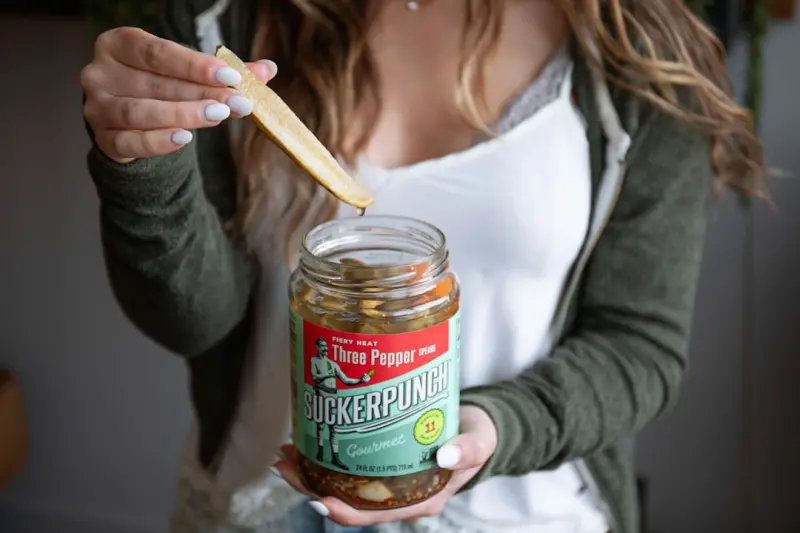
Fermenting the Future: How Homegrown Probiotics Are Changing Our Kitchens
From kombucha to kimchi, home fermentation is reshaping kitchens with probiotic health benefits, zer... Read More

The Fermentation Frontier: Turning Kitchen Waste into Gourmet Gold
Explore the art of home fermentation—from sauerkraut to kombucha—and learn how to turn kitchen l... Read More
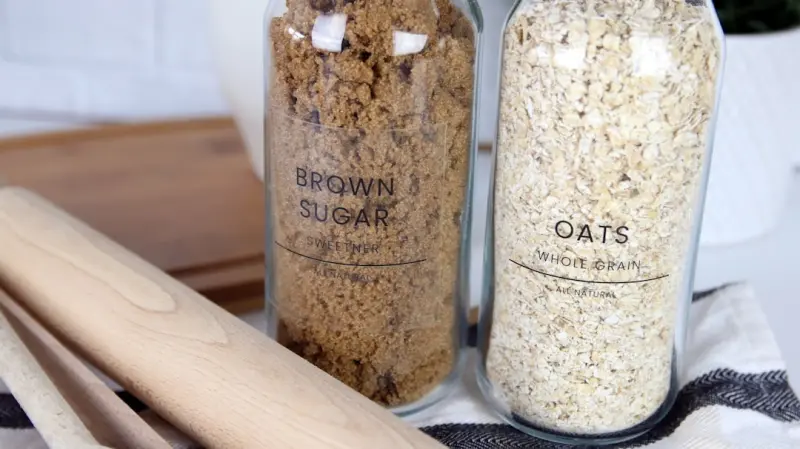
Reinventing the Home Pantry: Forgotten Grains, Fermentation, and Flavor Innovation
Discover how ancient grains and home fermentation can revitalize your pantry, offering new flavors, ... Read More
Top Posts

The Hidden Power of Tiered Discount Engines: Turning Every Deal into a Loyalty Loop
A tiered discount engine aligns price cuts with measurable buyer actions, turning discounts into a strategic growth lever that boosts ARR, reduces churn, and fu...Read More

Travel NFTs: Unlocking Exclusive Experiences and Community Ownership
Travel NFTs are turning trips into tokenized experiences that grant exclusive access, community ownership, and a direct role in sustainable tourism, ushering in...Read More

Parental Warning: The Psychological Tug‑of‑War Behind Free‑to‑Play Kids Games
Free‑to‑play games appear harmless, but they employ subtle psychological tricks and data collection to drive micro‑transactions from children. This articl...Read More

Celebrating the Simple Wonders of Canadian Living
A warm, insightful look at Canada's seasonal delights, community traditions, and hidden gems, celebrating the everyday magic of Canadian living....Read More
0 Comments
Post Comment
You will need to Login or Register to comment on this post!