

Why Community Pop‑Ups Are Transforming the Restaurant Landscape
There’s a buzz humming through city streets, farmer’s markets, and even the back‑alley warehouses of downtown districts: the pop‑up restaurant. While the concept of a temporary dining experience isn’t new, a new breed of community‑rooted pop‑ups is redefining what it means to run a restaurant in the modern age. These aren’t the “ghost kitchens” that operate behind a screen or the AI‑driven, hyper‑personalized dining rooms that dominate headlines. Instead, they are low‑cost, high‑impact ventures that embed chefs directly into the fabric of neighborhoods, turning curiosity into loyalty and experimental menus into lasting brand equity.
The Economics of a Pop‑Up: Small Investment, Big Returns
Traditional brick‑and‑mortar restaurants require a mountain of capital: lease agreements, interior design, staffing, permits, and an ongoing payroll that can quickly erode margins. A pop‑up slashes many of those expenses. By leveraging underutilized spaces—think vacant storefronts, community centers, or even a partner’s patio—a restaurateur can launch a fully operational kitchen for a fraction of the cost.
Consider the smarter SaaS spending strategies that have helped tech firms trim budgets without sacrificing performance. Similarly, pop‑ups apply a lean‑budget mindset to culinary ventures: they use existing infrastructure, negotiate short‑term leases, and often rely on a flexible, gig‑based staff. The result? A dramatically lower break‑even point and the ability to test concepts before committing to a permanent location.
Community Integration: From Transactional to Relational
What truly sets the modern pop‑up apart is its deep-rooted connection to the community it serves. Rather than viewing the neighborhood as just a market, pop‑up operators treat it as a partner. This shift is evident in three core practices:
- Local Sourcing Partnerships: Chefs collaborate with nearby farms, fisheries, and artisan producers, ensuring ingredients are fresh, seasonal, and reflective of the area’s culinary heritage.
- Co‑Creation with Residents: Menu items often emerge from community input—whether through social media polls, town‑hall tastings, or pop‑up “idea walls” where diners leave suggestions.
- Shared Spaces and Events: By hosting workshops, cooking classes, and cultural performances, pop‑ups become hubs of activity, driving foot traffic and fostering a sense of belonging.
This relational approach translates into higher repeat visitation rates. Guests aren’t just eating a meal; they’re part of an evolving story. When a pop‑up announces its next location or menu shift, the community feels a personal stake in its success.
Designing for Flexibility: The Modular Kitchen Model
Flexibility is the lifeblood of pop‑ups. Many operators adopt a modular kitchen system that can be assembled, disassembled, and reconfigured within hours. Think of a set of stainless‑steel prep stations, mobile refrigeration units, and portable cooking appliances that fit into a standard 20‑foot shipping container. This mobility enables chefs to:
- Rapidly respond to emerging food trends (e.g., a sudden surge in interest for fermented foods).
- Pivot between different culinary concepts—one week a ramen bar, the next a plant‑based tapas lounge.
- Scale up or down based on demand, minimizing waste and labor costs.
The modular approach also reduces the need for heavy upfront capital expenditures on fixed equipment, allowing resources to be allocated toward higher‑impact areas like ingredient quality and marketing.
Marketing the Pop‑Up: Leveraging Scarcity and Storytelling
Scarcity is a powerful marketing lever. When a dining experience is limited by time and space, it creates urgency. Successful pop‑up campaigns often combine this urgency with compelling storytelling:
- Teaser Campaigns: Short videos or behind‑the‑scenes photos posted on social platforms hint at the upcoming menu, location, or theme.
- Influencer Partnerships: Local food bloggers and micro‑influencers receive exclusive invitations, amplifying reach through authentic endorsements.
- Interactive Reservations: Some pop‑ups use QR codes that lead diners to a reservation page where they can also vote on upcoming dishes, deepening engagement.
These tactics create a feedback loop where the community feels both excitement and ownership, driving word‑of‑mouth promotion that’s far more effective than traditional advertising.
Case Study: The “Harvest Table” Pop‑Up in a Mid‑Size City
To illustrate the impact, let’s examine the “Harvest Table,” a seasonal pop‑up that launched in a repurposed library reading room. The team partnered with three local farms, a dairy cooperative, and a small‑batch bakery. Over a six‑month run, they achieved:
- Revenue Growth: $120,000 in gross sales—more than double the projected revenue for a comparable traditional restaurant with the same footprint.
- Customer Retention: 68% of diners returned for at least two visits, citing “the connection to local growers” as a primary driver.
- Media Coverage: Features in regional newspapers and food podcasts, all generated from the story of “reclaiming a forgotten community space.”
The Harvest Table’s success hinged on three pillars: community sourcing, modular design, and storytelling—all hallmarks of the modern pop‑up playbook.
Challenges and Mitigation Strategies
While pop‑ups are attractive, they’re not without hurdles. Here’s a realistic look at common challenges and practical solutions:
| Challenge | Mitigation Strategy |
|---|---|
| Regulatory Compliance | Engage a local hospitality consultant early to navigate permits, health inspections, and zoning restrictions. Many cities offer “pop‑up permits” that simplify the process for temporary venues. |
| Supply Chain Consistency | Develop multi‑source agreements with several local producers to ensure backup options if a primary supplier faces a shortfall. |
| Staffing Flexibility | Build a pool of on‑call culinary talent—freelance chefs, culinary students, and part‑time servers—who can be scheduled as needed. |
| Brand Dilution | Maintain a core visual identity (logo, color palette, tone of voice) across all pop‑up iterations, even if the menu changes dramatically. |
Measuring Success: Beyond Revenue
Traditional restaurants often focus on metrics like average check size and table turnover. Pop‑ups, however, benefit from a broader set of KPIs:
- Community Engagement Score: Track social media interactions, event attendance, and feedback forms.
- Ingredient Traceability Index: Measure the percentage of ingredients sourced within a 30‑mile radius.
- Brand Sentiment: Use sentiment analysis on online reviews to gauge how well the pop‑up’s story resonates.
- Conversion Rate to Permanent Location: If the pop‑up serves as a testbed for a new concept, track the proportion of diners who express interest in a long‑term venue.
These metrics paint a fuller picture of impact, especially for operators looking to translate pop‑up momentum into sustainable growth.
Future Outlook: Pop‑Ups as Innovation Labs for Established Brands
Increasingly, established restaurant chains are adopting the pop‑up model as an internal R&D lab. By launching limited‑time concepts in select neighborhoods, they can gather real‑world data on menu performance, pricing elasticity, and consumer preferences before rolling out chain‑wide. This approach mirrors how tech companies use beta releases to fine‑tune products—a practice highlighted in discussions about the hidden cost of urban mobility and its impact on consumer spending patterns.
In essence, the pop‑up is evolving from a niche experiment into a strategic asset. For startups, it remains a low‑risk entry point into the culinary world. For legacy brands, it serves as a sandbox for innovation, allowing them to stay relevant in an industry where diners crave novelty and authenticity.
Getting Started: A Step‑by‑Step Blueprint
Ready to dip your toes into the pop‑up tide? Follow this concise roadmap:
- Identify a Community Need: Conduct informal surveys or attend local events to uncover gaps—perhaps a lack of vegan options or a desire for a weekend brunch spot.
- Secure a Flexible Space: Look for short‑term leases, pop‑up marketplaces, or partnerships with non‑profits that have underused venues.
- Design a Modular Kitchen: Invest in portable equipment that complies with health codes and can be easily moved.
- Build Supplier Relationships: Reach out to local farms, butchers, and artisans; negotiate trial shipments and shared marketing.
- Develop a Compelling Narrative: Craft a story that ties the menu to the community’s identity—perhaps “Reviving the Neighborhood’s Forgotten Flavors.”
- Launch a Targeted Marketing Campaign: Use teaser content, community influencers, and interactive reservations to build anticipation.
- Collect Data and Iterate: After each service, review sales data, customer feedback, and operational challenges. Adjust the menu, staffing, or pricing accordingly.
By treating each pop‑up as a learning cycle, you’ll refine your concept, build a loyal following, and position yourself for future growth—whether that’s a permanent storefront, a franchise, or a series of rotating experiences.
Conclusion: The Pop‑Up as a Catalyst for Culinary Evolution
In a world where dining experiences are increasingly driven by authenticity, sustainability, and community connection, the pop‑up restaurant stands out as a versatile catalyst. It lowers financial barriers, empowers chefs to experiment, and deepens ties with the neighborhoods that sustain them. Whether you’re an aspiring chef, a seasoned restaurateur, or a brand seeking fresh avenues for innovation, embracing the pop‑up model can transform risk into reward and curiosity into a lasting culinary legacy.

Related Posts
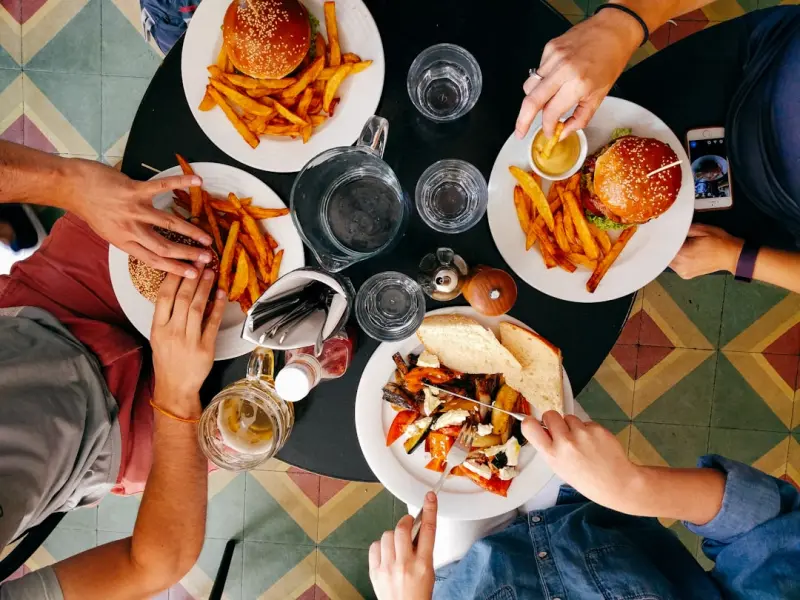
When Sound Becomes the Secret Ingredient in Your Restaurant
A deep dive into why sound matters in restaurants, practical steps to improve acoustics, and emergin... Read More

When Algorithms Meet the Kitchen: AI’s Role in Shaping Tomorrow’s Menus
This article delves into how AI is becoming a sous‑chef, driving flavor innovation, sustainability... Read More
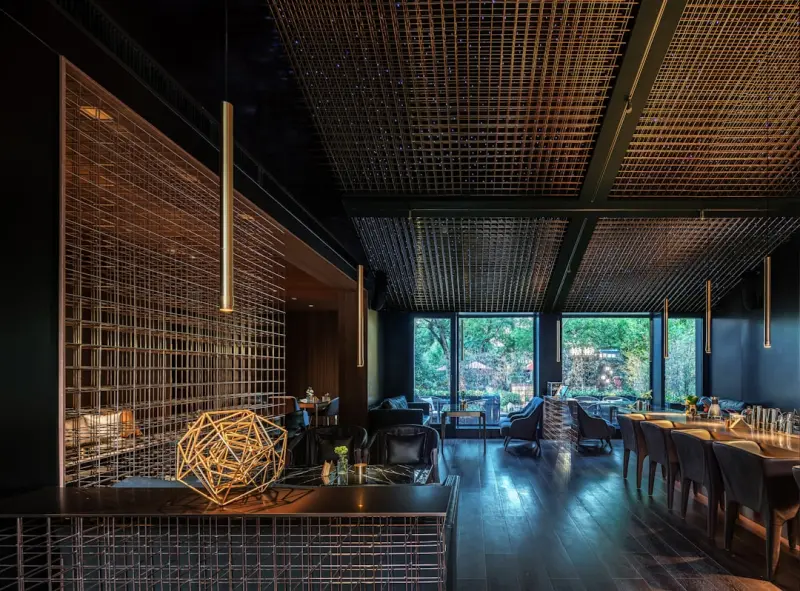
Quiet Corners: The Future of Restaurant Design
Discover why creating quiet, intimate dining zones is the next big trend in restaurants, enhancing f... Read More
Top Posts

Strategic Growth in the Gig‑Driven Economy: Turning Partnerships into Profit
Learn how to transform gig‑based collaborations, leverage micro‑communities, and monetize data ethically to drive sustainable growth and competitive advanta...Read More
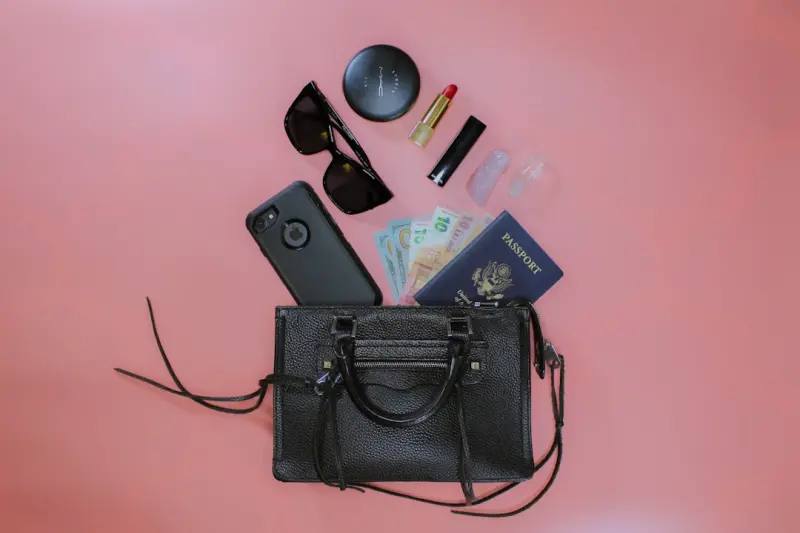
Micro‑Travel: The Secret Weapon for Busy Professionals Seeking Real Adventure
Micro‑travel condenses the power of immersive vacations into 48‑hour getaways, offering busy professionals meaningful experiences, cost efficiency, and a re...Read More

Reimagining the Canadian Homestead for Today’s Lifestyle
Discover how Canadians can blend traditional homestead values with modern technology, community collaboration, and eco‑friendly design to build resilient, aff...Read More

From Coast to Screen: Canada’s Entertainment Renaissance
Canada’s entertainment scene is undergoing a renaissance, with film festivals, streaming platforms, Indigenous storytelling, and innovative live experiences d...Read More
0 Comments
Post Comment
You will need to Login or Register to comment on this post!