
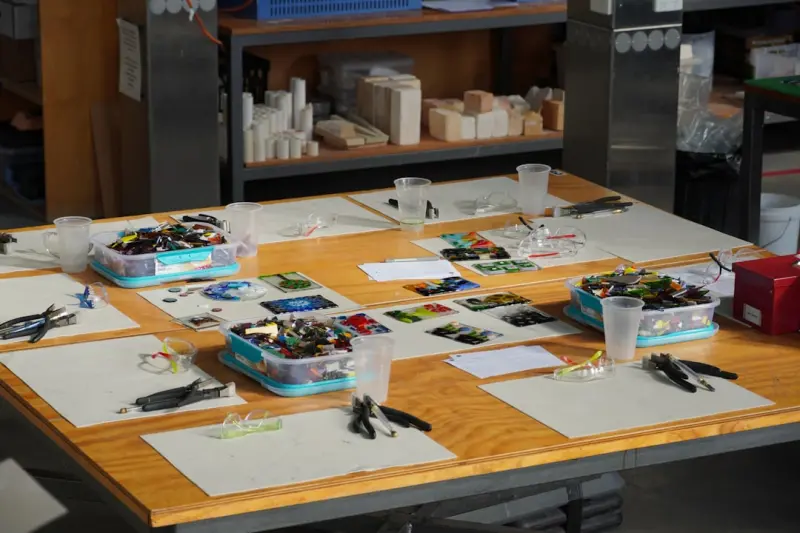
From Tools to Trust: How Community Workshops Are Redefining Canadian Neighborhoods
When I grew up in a small town just outside Winnipeg, the local hardware store was more than a place to buy a hammer; it was the unofficial hub where neighbours swapped stories, shared tips, and occasionally lent a drill. Today, that spirit is resurfacing in a modern, organized form: community tool libraries and shared workshops. Across Canada’s sprawling suburbs, bustling downtowns, and even remote northern hamlets, residents are banding together to create spaces where the price of ownership gives way to the value of collaboration.
In an era where subscription services dominate everything from entertainment to groceries, the idea of borrowing a power saw feels almost revolutionary. Yet the movement is gaining traction because it hits a sweet spot between sustainability, cost‑effectiveness, and the deep‑seated Canadian love for helping a neighbour. It also dovetails with a broader cultural shift toward seasonal city sanctuaries, where public spaces are re‑imagined as shared resources for both people and the planet.
Why Tool Libraries Matter More Than Ever
Economic relief. The average Canadian household spends a significant portion of its discretionary income on home‑improvement tools that are used only a handful of times a year. A cordless drill, a tile cutter, or a high‑end router can cost anywhere from $80 to $500. By joining a tool library, families can access the same equipment for a fraction of the cost, freeing up funds for other priorities like education, travel, or simply a rainy‑day emergency fund.
Environmental stewardship. The production of metal, plastic, and electronic components for tools carries a hefty carbon footprint. When multiple households share one piece of equipment, the total number of items manufactured drops, leading to lower emissions and less waste ending up in landfills. It’s a concrete, hands‑on way to practice the circular economy principles championed by many Canadian municipalities.
Skill building and community bonding. Tool libraries are not just warehouses of equipment; they are incubators of knowledge. Many of these spaces host workshops on woodworking, basic plumbing, and even sustainable gardening. Participants leave with new abilities, confidence, and a network of neighbours who are eager to lend a hand (or a wrench).
The Anatomy of a Successful Community Workshop
- Location, location, location. Proximity to public transit and easy accessibility are crucial. Many successful libraries are housed in repurposed community centres, libraries, or even unused storefronts on main streets.
- Inventory management. A digital catalog that allows members to check tool availability in real time reduces friction. Some groups integrate the catalog with existing municipal library systems, creating a seamless borrowing experience.
- Clear usage policies. Simple, transparent rules—such as a refundable deposit, maximum borrowing periods, and mandatory safety briefings—ensure tools stay in good condition and members feel accountable.
- Volunteer‑driven staffing. A core team of enthusiastic volunteers, often skilled tradespeople or retirees, keep the space running, conduct maintenance, and lead educational sessions.
- Partnerships. Collaboration with local businesses, hardware suppliers, and even municipal governments can provide discounted equipment, sponsorships, and grant funding.
Case Study: The Halifax Maker Hub
In Halifax’s West End, a former library branch was transformed into the Halifax Maker Hub, a 2,000‑square‑foot workshop that offers everything from 3‑D printers to heavy‑duty table saws. Members pay a modest annual fee of $35, granting unlimited borrowing of most tools and free entry to weekly “DIY nights.” The hub’s success is rooted in its commitment to community outreach: they partner with local high schools to introduce students to trades, and they host “Green Build” evenings where participants learn how to repurpose reclaimed wood for furniture.
The Hub’s impact is measurable. Since its launch, the neighbourhood has seen a 28% increase in DIY home projects, a 15% reduction in single‑use tool purchases, and a noticeable boost in neighbourhood cohesion. Residents frequently credit the hub for “bringing people together” and “making home renovation less intimidating.”
Connecting the Dots: From Digital Brands to Physical Spaces
While the concept of a tool library feels rooted in the analog world, its growth is powered by digital platforms. Entrepreneurs who once focused on building direct digital brands are now applying the same data‑driven insights to manage inventory, track usage patterns, and personalize member experiences. For instance, a SaaS startup based in Vancouver developed a cloud‑based reservation system specifically for community workshops, allowing real‑time updates, automated reminders, and usage analytics that help administrators optimize stock and schedule maintenance.
This convergence of technology and community spirit demonstrates that modern Canadian living is not about choosing between digital convenience and tactile, hands‑on experiences—it’s about blending the two to create richer, more resilient neighbourhood ecosystems.
Funding the Future: Grants, Crowdfunding, and Corporate Sponsorships
Starting a tool library can seem daunting, especially when considering the upfront cost of acquiring a diverse inventory. However, several funding avenues have emerged:
- Municipal grants. Many cities have sustainability or community‑development budgets that allocate funds for projects that promote circular economies and skill development.
- Corporate sponsorships. Tool manufacturers often donate equipment in exchange for brand visibility. Companies like DeWalt and Makita have corporate responsibility programs that align perfectly with the ethos of shared resources.
- Crowdfunding campaigns. Platforms such as Kickstarter and GoFundMe allow neighbourhoods to rally around a common goal, offering backers perks like free memberships or exclusive workshop seats.
- Community fundraising events. Pop‑up DIY fairs, “build‑a‑bench” days, and local art shows can generate both funds and buzz.
Successful projects usually combine several of these streams, ensuring a stable financial foundation while also cultivating community ownership.
Challenges and How to Overcome Them
Despite their promise, community tool libraries face hurdles that require thoughtful solutions:
- Liability concerns. Fear of accidents can deter volunteers. Implementing mandatory safety training, clear signage, and a liability waiver signed by all borrowers mitigates risk.
- Tool maintenance. Regular wear and tear can lead to downtime. Establishing a routine inspection schedule, and partnering with local trade schools for maintenance support, keeps inventory reliable.
- Member engagement. Maintaining active participation beyond the novelty phase is essential. Offering a rotating calendar of workshops, themed build‑days, and member‑led skill swaps keeps the community vibrant.
- Inclusivity. Ensuring the space is welcoming to all, regardless of age, language, or physical ability, broadens its impact. Providing multi‑language signage, wheelchair‑accessible workstations, and family‑friendly hours are key steps.
Beyond Tools: Expanding the Collaborative Commons
The success of tool libraries has inspired the birth of other shared‑resource models across Canada:
- Seed libraries. Residents can borrow heirloom seeds, grow their own food, and return a portion of the harvest for future borrowers.
- Community kitchens. Equipped with commercial‑grade appliances, these spaces enable home chefs to experiment without the high cost of equipment.
- Bike‑share cooperatives. Locally managed fleets of bicycles, often electric, provide affordable, sustainable transport options for neighbourhoods lacking public transit.
- Repair cafés. Volunteers help fix broken appliances, extending product lifespans and reducing waste.
Each of these initiatives reinforces the core philosophy: shared access reduces waste, saves money, and builds social capital.
What the Next Decade Could Look Like
Imagine strolling through a Canadian suburb where every block boasts a community hub: a tool library next door, a seed exchange down the street, and a maker café at the corner. Residents casually borrow a power washer to clean their decks, then attend a weekend workshop on building compost bins, before picking up fresh basil from the community garden. All of this is coordinated through a unified digital platform that reminds you of upcoming events, tracks your borrowing history, and even suggests new projects based on your interests.
This vision aligns with Canada’s broader sustainability goals, municipal strategies for climate resilience, and the growing desire for authentic, place‑based experiences. By championing shared resources, we not only reduce the carbon footprint of our daily lives but also weave a stronger social fabric—one that values trust, reciprocity, and collective progress.
Getting Involved: Steps to Start Your Own Community Workshop
- Assess community interest. Host a town‑hall or an online survey to gauge demand and gather ideas.
- Identify a space. Look for underutilized municipal buildings, vacant storefronts, or partnership opportunities with existing libraries.
- Secure initial funding. Apply for local grants, approach hardware retailers for donations, and launch a crowdfunding campaign.
- Build inventory. Start with high‑demand, versatile tools—drills, saws, sanders, and basic hand tools—and expand based on member feedback.
- Develop policies. Draft clear borrowing rules, safety guidelines, and maintenance procedures.
- Launch and promote. Host an inaugural “Open House” event, showcase demo projects, and leverage social media to spread the word.
Remember, the journey is iterative. The most successful community workshops evolve with their members, continuously adapting to new interests, technologies, and sustainability practices.
Conclusion: The Power of Shared Hands
Canada has always prided itself on community, from the early settlement days to the modern multicultural mosaic. Tool libraries and shared workshops are the latest expression of that legacy—a tangible reminder that when we pool our resources, we amplify our collective potential. Whether you’re a seasoned carpenter, a first‑time DIY enthusiast, or simply someone who believes in the power of community, there’s a place for you in this movement. Grab a wrench, sign up for a class, and become part of a growing network that’s shaping a more sustainable, connected, and hands‑on Canadian future.

Related Posts

Savoring the Seasons: A Canadian Living Journey
A heartfelt look at the seasons, community, food, and entertainment that define Canadian living, off... Read More

Tiny‑Home Villages: Canada’s Affordable, Sustainable Living Revolution
Canada’s tiny‑home villages offer a fresh solution to housing shortages, combining low‑cost mo... Read More

Winter‑Ready Smart Homes: Turning Canada’s Cold Into Comfort and Savings
A deep dive into how learning thermostats, adaptive lighting, micro‑grids, and AI orchestration ar... Read More
Top Posts

The Quiet Revolution: Turning Wearables into Your Personal Health Coach
Discover how everyday wearables can become a personalized health coach, empowering you with data-driven insights, privacy safeguards, and practical steps to imp...Read More

Rural Renaissance: How Small Towns are Thriving in the Face of Adversity
Rural America is experiencing a resurgence, with small towns thriving through entrepreneurship, tourism, and innovation. Learn more about the trends and opportu...Read More

How Pop‑Up Hubs Are Redefining Canadian Community Life
Explore the rise of pop‑up community hubs, shared gardens, and digital tools that are bringing Canadians closer together, one temporary space at a time....Read More

Borrow, Build, Belong: How Canada’s Tool Libraries Are Redefining Community Living
Canadian tool libraries are turning neighborhoods into hubs of shared resources, sustainability, and skill exchange, offering residents affordable access to equ...Read More
0 Comments
Post Comment
You will need to Login or Register to comment on this post!