
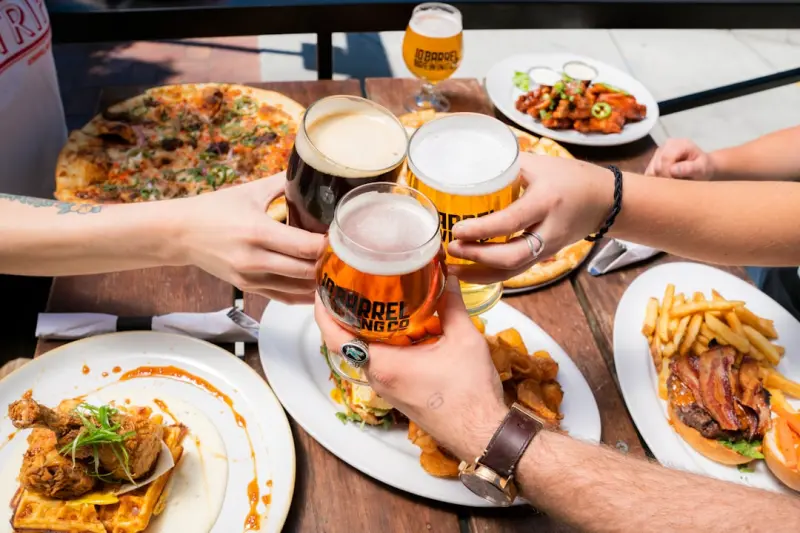
When I first tasted a splash of kombucha-infused gin at a hidden speakeasy, I realized the cocktail world was on the brink of a quiet revolution. Fermentation, once the domain of sourdough bakers and craft brewers, is now slipping into the shaker, the mixing glass, and even the home bar. It’s not just a gimmick; it’s a convergence of science, sustainability, and storytelling that’s reshaping how we think about drinkable experiences.
Why Fermented Cocktails Are Gaining Momentum
Fermentation offers a palette of flavors that can’t be replicated by conventional distillation or simple infusions. The subtle tang of lactobacillus, the earthy depth of wild yeasts, and the gentle fizz of natural carbonation create layers that keep the palate engaged from the first sip to the lingering finish. As consumers crave authenticity and complexity, bartenders are turning to centuries‑old techniques to satisfy modern cravings.
Beyond flavor, fermented ingredients bring a health halo—probiotics, organic acids, and bioactive compounds that can aid digestion and boost gut health. In an era where wellness is a menu item, these benefits are as appealing as the taste itself.
The Microbial Magic Behind the Mix
At the heart of every fermented cocktail lies a bustling micro‑ecosystem. Bacteria and yeasts break down sugars, releasing alcohol, acids, and aromatic compounds. The balance of these microbes determines whether a brew tastes bright and citrusy or dark and umami‑rich.
Key players include:
- Lactobacillus – produces lactic acid, adding a clean, sour edge.
- Saccharomyces cerevisiae – classic baker’s yeast that contributes gentle fruitiness.
- Kefir grains – a symbiotic mix delivering a creamy mouthfeel and subtle funk.
By tweaking temperature, salt concentration, and fermentation time, mixologists can fine‑tune the flavor profile with a precision that rivals any cocktail recipe.
Home Mixology: DIY Fermentation Kits Are Changing the Game
What used to require a lab coat and a sterile environment can now be done on a kitchen countertop. Companies are rolling out starter kits for everything from kombucha and water kefir to fruit‑based shrub bases. These kits demystify the process, providing pre‑measured cultures, clear instructions, and even recipe cards that pair the fermented base with spirits, bitters, and fresh herbs.
My own weekend ritual now includes a 48‑hour ferment of ginger‑tarragon shrub, which I later muddle with bourbon, a dash of orange bitters, and a splash of club soda. The result? A drink that feels both familiar and wildly inventive.
When Data Meets Fermentation
Even the most artisanal practices benefit from a dash of analytics. Restaurants that have embraced data‑driven flavor experiments are discovering patterns in consumer preferences that guide which fermentations to prioritize. By tracking sales, repeat orders, and even social media sentiment, bars can predict which sour, sweet, or umami notes will resonate most with their clientele.
This marriage of data and biology isn’t about stripping the soul out of the experience; it’s about giving creators a compass in a sea of endless possibilities.
Sustainability: Turning Waste Into Wow
Fermentation shines as a sustainability champion. Fruit peels, spent coffee grounds, and even herb stems—ingredients that would otherwise be discarded—can become the foundation for flavorful fermentations. A citrus‑based shrub made from leftover orange peels reduces waste while delivering a bright, aromatic base for a gin cocktail.
Moreover, natural fermentation eliminates the need for artificial preservatives and reduces energy consumption compared to traditional distillation processes. For eco‑conscious venues, this aligns perfectly with broader green initiatives.
Learning From the Kitchen: Ghost Kitchens and Fermented Drinks
While the term “ghost kitchen” usually conjures images of delivery‑only food hubs, the underlying concept—leveraging underutilized space and technology for culinary innovation—offers a blueprint for the beverage world. Pop‑up fermentation labs in unused warehouse corners allow bartenders to experiment at scale without the overhead of a full‑service bar.
These “fermentation stations” can operate on a shared‑economy model, where multiple brands lease time slots, experiment with seasonal ingredients, and even collaborate on cross‑brand signature drinks. The result is a vibrant ecosystem of flavor that benefits both creators and consumers.
Practical Guide: Your First Fermented Cocktail in Five Steps
Ready to dive in? Here’s a straightforward roadmap to create a fermented cocktail that will impress even the most discerning palate.
- 1. Choose Your Base – Pick a fermentable ingredient (e.g., ginger, berries, or tea). Fresh, organic produce yields the best microbial activity.
- 2. Select a Culture – Use a commercial starter (kefir grains, kombucha SCOBY, or a lactobacillus powder) or source a wild starter from a trusted supplier.
- 3. Ferment – Combine your base with water, a pinch of salt (if using lacto‑fermentation), and the culture. Cover loosely and let sit at room temperature for 24‑72 hours, tasting daily.
- 4. Filter & Sweeten – Once the desired acidity is reached, strain out solids, add a modest amount of sweetener (honey, agave, or maple) to balance the sour.
- 5. Mix & Serve – Combine the fermented concentrate with your spirit of choice, a dash of bitters, and a splash of sparkling water. Garnish with a complementary herb or citrus peel.
Experimentation is key. Adjust fermentation time, swap spices, or blend multiple ferments for complex layers. Document your process; the notes will become your personal recipe archive.
The Future: AI‑Guided Fermentation Pairings
Imagine an app that analyzes your pantry inventory, suggests fermentation projects, and predicts flavor pairings with specific spirits—all based on machine‑learning models trained on thousands of successful recipes. This isn’t sci‑fi; early prototypes are already emerging, using data from ghost kitchen operations and flavor databases to recommend optimal mash‑ups.
When these tools mature, the barrier to entry will drop dramatically. Even a novice home bartender could craft a cocktail that rivals a high‑end speakeasy’s menu, simply by trusting the algorithm’s nuanced understanding of taste chemistry.
Closing Thoughts: Fermentation as a Narrative
Every fermented cocktail tells a story—of the land where the fruit grew, the microbes that transformed it, and the hands that guided its evolution. In a world saturated with instant gratification, these slow‑crafted drinks invite us to pause, savor, and reflect on the hidden processes that bring flavor to life.
Whether you’re a seasoned bartender, a curious home enthusiast, or a sustainability advocate, the fermenting frontier offers a fresh canvas. Grab a jar, a culture, and let the microbes do the talking. Your next signature sip might just be a few days of bubbling patience away.

Related Posts
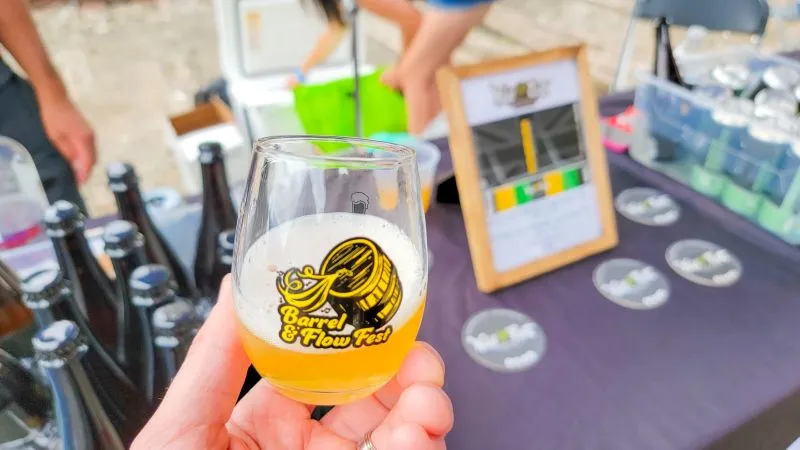
Inaugural Flow Fest Beer Festival Set to Take Place Saturday, July 26
Get ready for a new summer tradition! The Niagara Falls Exchange is proud to present the inaugural F... Read More
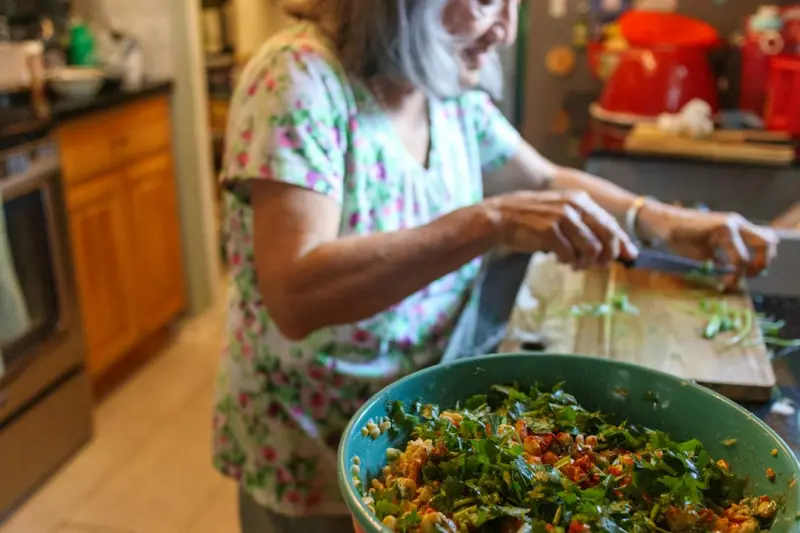
Fermentation at Home: Turning Kitchen Time Into a Flavor Revolution
Megan Morris shares her personal journey into home fermentation, exploring its health benefits, cost... Read More

When Sound Becomes a Secret Ingredient: Tuning Your Taste Buds
Discover the science behind sonic pairings and learn practical ways to use music and sound to amplif... Read More
Top Posts

Tariff Turbulence: Turning Duty Costs Into SaaS Competitive Advantage
Tariffs affect more than just importers; SaaS firms with edge devices and data‑center hardware face hidden cost spikes. This post maps the tariff landscape, s...Read More
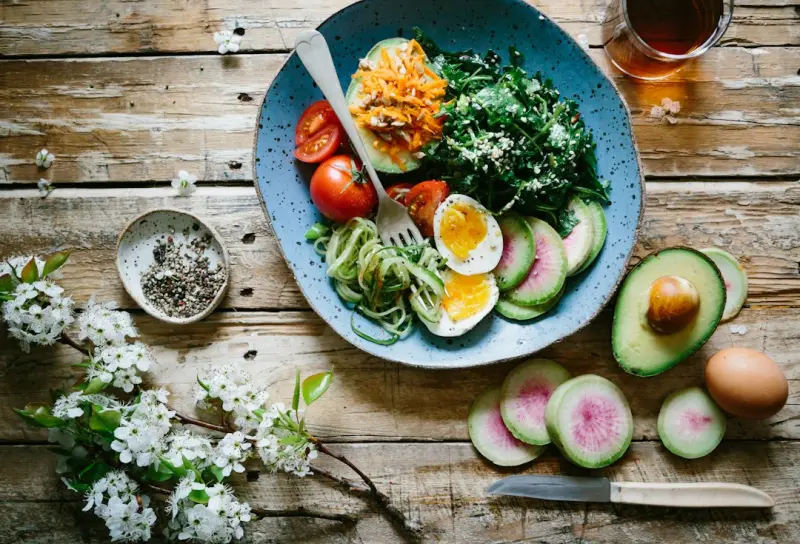
Unlocking Food Synergy: How Smart Pairings Supercharge Your Health
Explore how strategic food pairings—like tomatoes with avocado or iron-rich greens with vitamin C—can dramatically improve nutrient absorption, balance ho...Read More

Ontario’s Quiet Fishing Revolution: How Community Co‑Ops Are Changing the Game
Ontario’s fishing scene is evolving as anglers unite in community co‑ops, pooling resources for shared water access, collective gear repair, and environment...Read More

Ontario Fishing: Reel in Family Fun and Create Lasting Memories
Ontario, a province renowned for its breathtaking landscapes and vast network of pristine waterways, offers an unparalleled fishing experience for families of a...Read More
0 Comments
Post Comment
You will need to Login or Register to comment on this post!