
Why Food Pairing Isn’t Just About Taste – It’s About Health
When I was a kid, the biggest culinary experiment in my family was seeing who could make the most ridiculous sandwich. My mom would hand us a slab of whole‑grain bread, a slice of cheese, a few raw veggies, and then—just for kicks—some chocolate chips. The result was a flavor fiasco, but it sparked a lifelong fascination with the way ingredients interact.
Fast forward to my adult kitchen, and that curiosity has turned into a mission: to understand how the foods we combine can either amplify or cancel out each other's nutritional benefits. This isn’t about the latest diet fad or a quick‑fix smoothie trend. It’s about the science of synergy—how pairing the right foods can boost absorption, balance hormones, and even support mental clarity.
The Science Behind Synergy
Our bodies are astonishingly efficient at extracting nutrients, but they’re also surprisingly picky. Certain vitamins need a companion to unlock their full potential. For example, the fat‑soluble vitamin A (found in carrots, sweet potatoes, and leafy greens) needs a little dietary fat to be absorbed properly. Sprinkle a drizzle of olive oil on a roasted carrot medley, and you’re giving your cells a VIP pass to the vitamin A they crave.
Another classic duo is iron and vitamin C. Plant‑based iron (non‑heme iron) from beans, lentils, and spinach is notoriously harder for the body to absorb compared to the heme iron found in meat. However, vitamin C changes the iron’s chemical structure, making it more bioavailable. A simple squeeze of lemon over a spinach salad or a side of bell‑pepper‑rich salsa can increase iron absorption by up to sixfold.
These pairings aren’t random; they’re grounded in biochemistry. The enhancers—fat, acid, heat, and even certain enzymes—act like keys that unlock the doors to our cellular machinery. Understanding them transforms a meal from “just food” into a strategic health boost.
Five Power Pairings to Upgrade Your Daily Plate
Below are five evidence‑backed combos you can start using tonight. I’ve kept the list practical, using pantry staples and everyday produce.
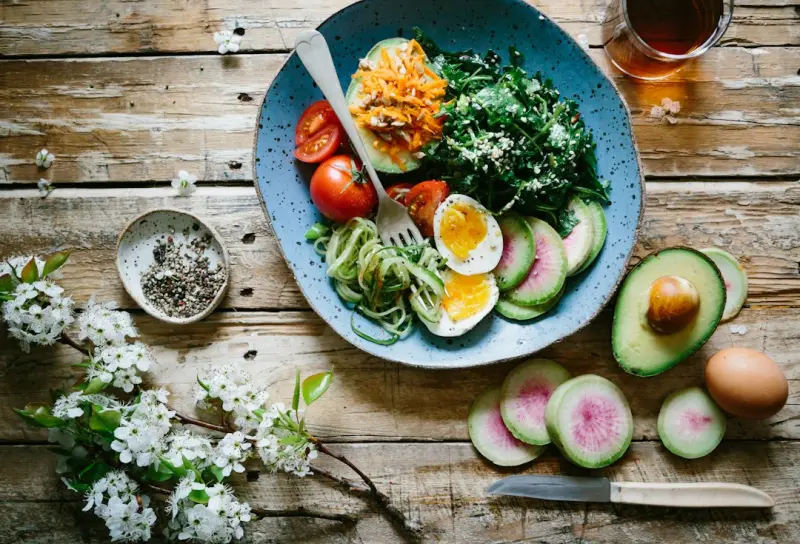
- Tomatoes + Avocado – The lycopene in ripe tomatoes is fat‑soluble, meaning a spoonful of avocado (or a splash of olive oil) can double its antioxidant power.
- Turmeric + Black Pepper – Curcumin, the bright yellow compound in turmeric, is poorly absorbed on its own. Piperine, the active ingredient in black pepper, enhances curcumin absorption by up to 2,000 %.
- Broccoli + Mustard Seed – Mustard seeds contain myrosinase, an enzyme that helps break down glucosinolates in broccoli into cancer‑fighting compounds called isothiocyanates.
- Almonds + Dark Chocolate – Both are rich in flavonoids, but the healthy fats in almonds help your body absorb the antioxidants in dark chocolate more efficiently.
- Greek Yogurt + Berries – The probiotics in yogurt improve gut health, which in turn enhances the absorption of polyphenols found in berries.
These combos are simple, but they illustrate a larger principle: food synergy works across flavors, textures, and cooking methods.
Building a Synergistic Meal Plan
When I design a week’s worth of meals, I start with a “core nutrient” list. Think of it as the backbone: protein, complex carbs, healthy fats, and a spectrum of micronutrients. Then, I layer on complementary foods that act as “nutrient amplifiers.” Here’s a quick template you can adapt:
- Base protein: Lentils, quinoa, tofu, or fish.
- Complex carb: Sweet potatoes, brown rice, or whole‑grain pasta.
- Healthy fat: Olive oil, nuts, seeds, or avocado.
- Colorful veg: A mix of leafy greens, cruciferous veggies, and bright peppers.
- Amplifier: A splash of citrus, a pinch of spice, or a dash of fermented condiments.
Let’s walk through a dinner example. I start with a base of grilled salmon (protein + omega‑3s). I pair it with a quinoa pilaf (complex carb) tossed in olive oil (healthy fat). On the side, I roast a medley of Brussels sprouts and carrots—both high in beta‑carotene—and finish with a drizzle of lemon‑infused tahini sauce. The lemon provides vitamin C for the carrots’ iron, while the tahini (made from sesame seeds) adds calcium that works synergistically with the salmon’s vitamin D. The result? A nutritionally dense plate where each bite supports the others.
Mindful Cooking: The Hidden Amplifier
Cooking techniques themselves can act as amplifiers. Lightly steaming broccoli preserves myrosinase, while a quick sauté in a bit of oil ensures the fat‑soluble nutrients don’t slip away. A calm environment also matters—stress hormones can impair digestion and nutrient absorption. So, turning down the background noise while you prep a meal isn’t just zen; it’s a subtle health hack.
Even the order in which you add ingredients can matter. Adding garlic toward the end of cooking preserves allicin, a sulfur compound linked to heart health. Conversely, allowing onions to caramelize slowly develops sweet flavor compounds and antioxidants that wouldn’t be present in a quick sauté.
Seasonality and Local Sourcing: A Natural Boost
When foods are harvested at peak ripeness, their nutrient density spikes. A summer tomato harvested at the height of its color contains more lycopene than one that’s been stored for weeks. Pairing seasonal produce with complementary foods maximizes the natural synergy already present in the ecosystem.
That’s why I love visiting urban food sanctuaries. They remind me that the freshest ingredients are often just a short walk away, and that community gardens can become hubs of nutritional knowledge as well as fresh greens.
Common Pitfalls and How to Avoid Them
1. Over‑mixing incompatible nutrients: While many pairings are synergistic, some can interfere. Calcium can inhibit iron absorption if consumed in large amounts together. If you’re having a spinach salad (iron‑rich) with a cheese topping (high calcium), consider spacing them out by a few hours.
2. Neglecting digestion‑supportive foods: Probiotic‑rich foods (kimchi, kefir) and prebiotic fibers (onions, garlic, bananas) keep the gut microbiome thriving. A healthy gut is the foundation for efficient nutrient uptake.
3. Relying on “superfood” hype: No single ingredient can replace a balanced diet. Focus on overall patterns of synergy rather than chasing one “miracle” item.
Putting It All Together: A Day of Synergistic Eating
Here’s a sample day that weaves these principles into a realistic routine.
Breakfast – Berry‑Almond Overnight Oats
- Rolled oats (complex carb)
- Greek yogurt (protein + probiotics)
- Chia seeds (omega‑3s)
- Fresh blueberries (antioxidants)
- Almond butter (healthy fat, vitamin E)
The fat in almond butter unlocks the antioxidants in blueberries, while the probiotics in yogurt aid digestion.
Mid‑Morning Snack – Apple Slices with Peanut Butter
- Apple (fiber, vitamin C)
- Peanut butter (healthy fat, protein)
Vitamin C from the apple assists iron absorption from the peanut butter’s iron content.
Lunch – Quinoa & Chickpea Power Bowl
- Quinoa (complete protein)
- Chickpeas (iron)
- Roasted red peppers (vitamin C)
- Spinach (iron, folate)
- Olive oil‑lemon dressing (fat + acid)
This bowl packs a double‑iron punch, supercharged by the vitamin C from peppers and the healthy fats in olive oil.
Afternoon Pick‑Me‑Up – Turmeric Golden Milk
- Almond milk (fat)
- Turmeric (curcumin)
- Black pepper (piperine)
- Honey (optional)
Just a pinch of black pepper makes the curcumin in turmeric dramatically more bioavailable.
Dinner – Salmon with Lemon‑Tahini Glaze, Sweet Potato Mash, and Steamed Broccoli
- Salmon (omega‑3, vitamin D)
- Lemon‑Tahini glaze (vitamin C + healthy fat)
- Sweet potatoes (beta‑carotene + complex carb)
- Steamed broccoli (glucosinolates, fiber)
The lemon’s vitamin C aids iron uptake from the broccoli, while the tahini’s fat helps absorb the beta‑carotene from the sweet potato.
Tracking Your Success
Even the most enthusiastic foodie can benefit from a simple tracking method. I use a minimalist spreadsheet with three columns: Meal, Synergy Pairings, and How I Felt. Over a month, patterns emerge—perhaps I notice clearer skin on days I pair vitamin C‑rich foods with iron, or steadier energy when I include healthy fats at breakfast. This feedback loop reinforces the habit and helps you fine‑tune your combos.
Takeaway: Your Plate Is a Laboratory
Every time you sit down to eat, you have an opportunity to experiment—not with gimmicky trends, but with proven nutrient partnerships. By treating your plate as a laboratory, you empower yourself to extract maximum health benefits from the foods you already love. It’s not about perfection; it’s about curiosity, consistency, and a dash of creativity.
So next time you reach for that avocado, ask yourself: “What can I pair it with to make this meal smarter?” Your body will thank you, one synergistic bite at a time.

Related Posts
Fermentation at Your Desk: Simple Gut‑Friendly Foods for Busy Professionals
Learn how easy, desk‑friendly fermentation can enhance digestion, energy, and focus with simple re... Read More

When Your Plate Looks Like a Rainbow: Decoding Food Colors for Better Health
Discover the science behind food pigments, their impact on mood and health, and practical tips for b... Read More
Fermented Futures: Unlocking Gut Health with Everyday Foods
Discover how everyday fermented foods like kimchi, kombucha, and miso can transform gut health, redu... Read More
Top Posts

The Secret Life of Hyper‑Local Pop‑Up Kitchens: How City Dining Is Being Redefined
Explore the rise of hyper‑local pop‑up kitchens, their impact on chefs and diners, and how you can join the culinary revolution in your city....Read More

The Unseen Struggles of Canadian Farmers: A Call for Support
Canadian farmers face unique challenges that affect their mental health and well-being. Learn how we can support them and promote a culture of mental health awa...Read More

National Data Trusts: The Next Frontier for Public‑Sector Innovation
National data trusts aggregate and democratize government data, offering a secure platform for public‑good applications while unlocking new SaaS opportunities...Read More

Urban Foraging: The Unexpected Gourmet Revolution
Urban foraging is reshaping city cuisine, turning everyday green spaces into edible treasure troves. This guide explores the rise, safety tips, culinary possibi...Read More
0 Comments
Post Comment
You will need to Login or Register to comment on this post!