
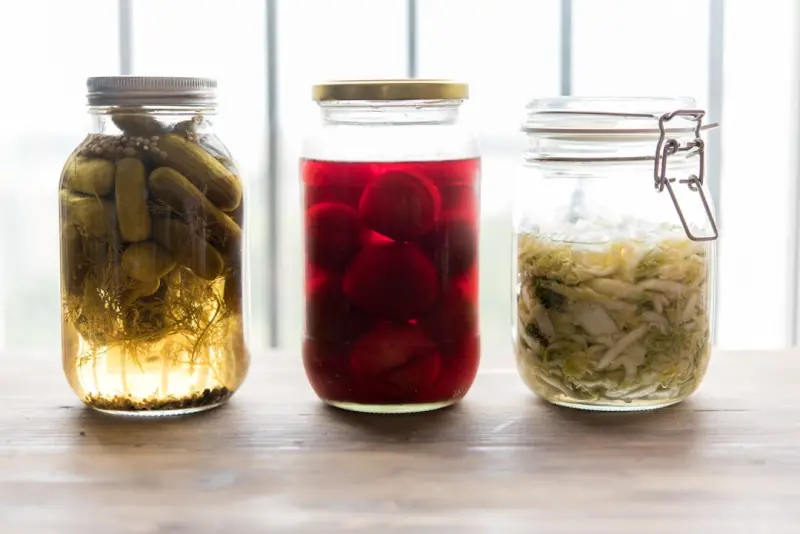
When I first stumbled upon a tiny glass jar of fermented ginger‑lime syrup at a downtown pop‑up market, I expected a tangy splash of novelty. What I got instead was a lesson in patience, chemistry, and the sheer joy of turning the ordinary into the extraordinary. Fermentation, that age‑old process most of us associate with sourdough or kimchi, is quietly reshaping the cocktail world, and I’m here to spill the beans (and the brine) on why you should give it a try.
The Microbial Magic Behind Every Sip
At its core, fermentation is a dialogue between microbes and sugars. Yeasts, bacteria, and even wild molds feast on the carbohydrates in your ingredients, releasing alcohol, acids, and a cascade of aromatic compounds. This isn’t just science; it’s storytelling. Each bubble that rises in your jar is a chapter, each aromatic note a character.
What makes fermented cocktails especially intriguing is the balance they achieve between sweet, sour, bitter, and umami. While a classic margarita leans heavily on lime’s acidity and tequila’s bite, a fermented version can introduce subtle layers of funk, earthiness, and even a whisper of savory depth that you’d never anticipate from a simple lime wedge.
From Kitchen Shelf to Bar Counter: Crafting Your Own Fermented Elixir
Don’t be intimidated—getting started is easier than you think. All you need is a clean jar, a trusty weight, and a few ingredients you already love.
- Choose Your Base. Citrus fruits (think grapefruit, orange, or the ever‑reliable lemon) work wonderfully because their natural sugars and acids give microbes a banquet.
- Add a Sweetener. Cane sugar, honey, or even maple syrup (if you’re feeling extra Canadian) feed the yeast and temper the acidity.
- Introduce the Culture. A splash of kombucha, a pinch of kefir grains, or a spoonful of sourdough starter can kick‑start the fermentation. If you’re a purist, just let the wild microbes do their thing—just be sure your jar is covered with a breathable cloth.
- Seal and Wait. Store the jar at room temperature, away from direct sunlight. Most fermentations are ready in 48‑72 hours, but the longer you wait, the more complex the flavor profile becomes.
Once your concoction has reached the desired tang, strain it, give it a gentle stir, and bottle it. The result? A versatile mixer that can be sipped neat, swirled into a highball, or used as a base for a daring new cocktail.
Food Pairings That Elevate the Experience
Fermented cocktails are the ultimate culinary chameleons. Their multidimensional taste makes them perfect companions for dishes that deserve a drink as nuanced as they are.
- Charred Octopus with Smoked Paprika. The smoky undertones of the seafood mesh beautifully with a fermented beet‑infused gin fizz, echoing the earthy beet notes.
- Roasted Root Vegetables. A fermented carrot‑and‑ginger tonic, with its subtle sweetness, balances the caramelized edges of the veg.
- Spicy Dark Chocolate Tart. Pair it with a fermented coffee‑cacao cocktail; the bittersweet depth of the brew complements the tart’s richness.
The secret is to match the dominant flavor element of the dish with the complementary note in the drink—acid with acid, sweet with sweet, umami with umami. The fermentation process naturally amplifies these connections, making each bite and sip feel like an orchestrated duet.
Lessons From the Wider Business Landscape
While I’m knee‑deep in jars and garnish trays, I can’t help but notice that the principles driving successful fermented cocktail ventures echo strategies from other sectors. Take, for instance, the concept of strategic collaborations. In the food world, partnering with local farms for unique ingredients—or teaming up with a brewery to co‑create a sour beer‑infused spirit—can unlock flavors you’d never discover on your own.
Similarly, the rise of personal data sharing in the tech realm mirrors the intimate relationship you build with your own fermenting jars. By tracking the exact temperature, time, and microbial strains you use, you create a personal “data set” that informs future batches, ensuring consistency and allowing for intentional experimentation.
These cross‑industry parallels remind me that innovation isn’t confined to boardrooms; it lives in the kitchen, waiting for a curious mind to stir the pot.
Scaling the Fermentation Fun—Without Losing the Soul
For those dreaming of turning a home‑grown hobby into a boutique brand, there are a few non‑negotiables:
- Transparency. Share the story of each jar—where the ingredients came from, how long it fermented, and the microbes that made it possible. Consumers crave authenticity.
- Quality Control. Even though fermentation is a wild art, maintaining a clean environment and consistent practices prevents off‑flavors and spoilage.
- Regulatory Awareness. Depending on your region, fermented beverages may fall under specific food‑safety regulations. A quick chat with a local health authority can save you headaches later.
Remember, the charm of fermented cocktails lies in their imperfections—the subtle variations that make each bottle unique. Embrace that, and you’ll have a product that feels handcrafted, even as you grow.
Closing Thoughts: A Toast to Curiosity
If you’ve ever felt that your cocktail menu was stuck in a loop, consider the humble fermenter as your new secret weapon. It invites you to experiment, to listen to the quiet work of microbes, and to serve drinks that tell a story from the first sip to the last drop.
So, the next time you walk past a jar of pickles or a bottle of kombucha, imagine the possibilities beyond the pantry. Grab a citrus fruit, a sweetener, and a dash of curiosity. Let the microbes do the rest, and raise a glass to the unexpected alchemy that happens when science meets spirit.

Related Posts

Why Street‑Food Snacks Are Becoming the New Home‑Cooking Frontier
Rose DesRochers uncovers the surge of street‑food inspired snacks at home, blending tech, sustaina... Read More

The Ghost Kitchen Revolution: How Invisible Restaurants Are Redefining Dining
Ghost kitchens are the invisible arteries of today’s food ecosystem, offering chefs rapid iteratio... Read More

Forgotten Sweeteners Making a Sweet Comeback in Modern Desserts
Discover the rise of forgotten sweeteners—from maple sap to palm sugar—and how they're enriching... Read More
Top Posts
Reconnecting with the Land: How Urban Foraging Fuels Health and Community
Urban foraging offers a nutrient‑dense, low‑cost way to improve health and foster community. Learn safe identification, top wild edibles, cooking ideas, and...Read More

The Impact of Tariffs on Rural Communities: A Call for Change
Tariffs can have a significant impact on rural communities, exacerbating existing challenges and limiting access to essential services. Learn how policymakers a...Read More

Cottage Culture Reboot: How Canadians are Redefining Their Weekend Havens
The cottage is undergoing a renaissance, transforming from a seasonal escape into a year‑round hub of sustainability, community, and tech‑enhanced living. D...Read More

Beyond the Field: How Canadian Farmers are Redefining Resilience and Community
From regenerative soil methods to farmer‑led mental‑health circles, Canadian growers are turning challenges into opportunities, weaving technology and tradi...Read More
0 Comments
Post Comment
You will need to Login or Register to comment on this post!