
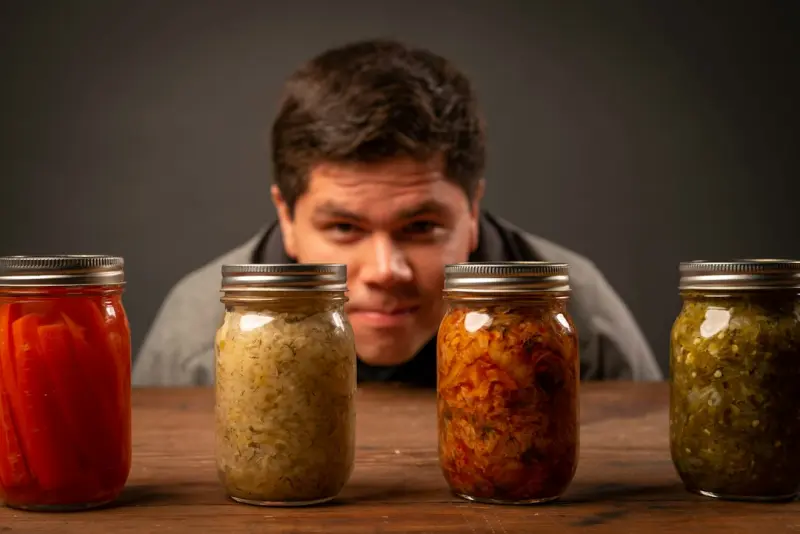
When the conversation around “healthy foods” drifts into the realm of kale smoothies and quinoa bowls, it’s easy to miss a whole class of nutrition that has been quietly reshaping our gut health, immune resilience, and even mental clarity: fermented foods. From kimchi’s spicy crunch to the creamy tang of kefir, these ancient culinary practices are experiencing a renaissance among tech‑savvy professionals, biohackers, and anyone looking to future‑proof their wellbeing.
Why Fermentation Is More Than a Trend
Fermentation isn’t just a culinary fad; it’s a microbial partnership that dates back thousands of years. By allowing beneficial bacteria and yeasts to break down sugars, proteins, and fibers, we unlock nutrients that would otherwise remain locked away. The result? A food that’s richer in vitamins, minerals, amino acids, and, most importantly, probiotics—the live organisms that populate our gut microbiome.
Research increasingly links a diverse gut microbiome to a host of health outcomes: improved digestion, stronger immunity, better mood regulation, and even sharper cognitive performance. For professionals whose days are packed with back‑to‑back video calls, data crunching, and endless Slack threads, this microbial boost can be the silent engine that keeps energy levels steady and stress levels low.
The Science Behind the Benefits
When we consume fermented foods, we’re essentially delivering a ready‑made starter culture to the intestines. These cultures compete with pathogenic bacteria, produce short‑chain fatty acids (SCFAs) that nourish colon cells, and modulate inflammatory pathways. Let’s break down three core mechanisms:
- Competitive Exclusion: Probiotic strains occupy niches in the gut, making it harder for harmful microbes to establish a foothold.
- SCFA Production: Fermentation of dietary fibers yields butyrate, acetate, and propionate—key metabolites that support gut barrier integrity and regulate appetite.
- Neuro‑Immune Crosstalk: Approximately 90% of serotonin is produced in the gut. A balanced microbiome can influence neurotransmitter synthesis, which translates to better mood and reduced anxiety.
Top Fermented Foods for the Busy Professional
Not all fermented foods are created equal, and the best picks for a fast‑paced lifestyle combine convenience, taste, and nutrient density. Here’s a curated list that can be stocked in a desk drawer, fridge, or even a briefcase.
- Kombucha: A lightly effervescent tea fermented with a symbiotic culture of bacteria and yeast (SCOBY). It offers a refreshing alternative to sugary sodas while delivering B‑vitamins and organic acids.
- Kefir: Think of it as drinkable yogurt, richer in probiotic strains. It’s perfect for a quick morning boost or a post‑workout recovery drink.
- Kimchi: This Korean staple of fermented cabbage, radish, and spices packs a punch of lactic‑acid bacteria, vitamin C, and antioxidants.
- Sauerkraut: Simple shredded cabbage fermented with salt. It’s a pantry staple that can be added to sandwiches, salads, or even blended into smoothies.
- Miso: Fermented soybean paste that adds umami depth to soups, marinades, and dressings. It’s also a source of protein, iron, and zinc.
- Tempeh: Fermented soybeans formed into a firm cake. It’s a plant‑based protein powerhouse, ideal for stir‑fries and grain bowls.
Integrating Fermented Foods Into a Remote‑Work Routine
Remote work has blurred the lines between “office snack” and “home pantry.” Here’s a practical framework to make fermented foods a seamless part of your day:
- Morning Kick‑Start: Replace your coffee creamer with a splash of kefir or a probiotic‑rich smoothie. The protein and live cultures set a stable blood‑sugar baseline.
- Mid‑Afternoon Pick‑Me‑Up: Swap out chips for a small bowl of kimchi or a handful of fermented pickles. The tangy bite satisfies cravings while delivering gut‑friendly microbes.
- Post‑Meeting Reset: Keep a bottle of kombucha at your desk. The subtle carbonation can help you stay alert without the crash associated with caffeine spikes.
- Meal Prep Hack: Batch‑prepare a large ferment—like sauerkraut or tempeh—once a week. Store in airtight containers for easy inclusion in salads, wraps, or grain bowls.
Fermentation Meets Sustainability: A zero‑waste kitchen strategy
One of the hidden virtues of fermentation is its ability to transform food scraps into nutritious assets. Imagine turning overripe veggies into a tangy lacto‑fermented relish, or using leftover whey from cheese making to brew a probiotic drink. This aligns perfectly with a zero‑waste ethos, reducing landfill contributions while expanding your pantry’s flavor profile.
For example, a simple brine of salt and water can preserve carrot tops, beet greens, or even coffee grounds—each becoming a probiotic‑rich addition to sauces or marinades. By embracing these techniques, you not only boost health but also contribute to a circular food system that resonates with environmentally conscious consumers.
Micro‑Wellness in the Fermentation Era
While the term “micro‑wellness” has been tossed around in various contexts, the principle remains powerful: small, consistent habits compound into major health outcomes. Fermented foods embody this philosophy. A spoonful of kimchi a day is a micro‑habit that can translate into measurable improvements in digestion, mood, and immunity over weeks and months.
Integrating micro‑wellness habits doesn’t require a complete lifestyle overhaul. Here’s a three‑step plan to embed fermentation into daily routines:
- Set a Reminder: Use a phone alarm to cue a “fermented snack” moment—perhaps right after the 10 am check‑in.
- Make It Visible: Keep a brightly colored jar of fermented veggies on your desk or kitchen counter to serve as a visual prompt.
- Track the Impact: Jot down energy levels, digestive comfort, and mood in a simple journal. Over time, patterns emerge that reinforce the habit.
For a deeper dive into micro‑wellness strategies, check out our guide on tiny habits that pack a big health punch. The principles are interchangeable and can be adapted to fit a fermented‑food focus.
Choosing Quality Over Quantity
Not every jar labeled “fermented” is created equal. Here are key criteria to evaluate store‑bought options:
- Live Cultures: Look for wording like “contains live and active cultures.” Avoid products that have been pasteurized after fermentation, as this kills beneficial microbes.
- Ingredient Simplicity: The best ferments have minimal additives—just the base vegetable, salt, and perhaps spices.
- Salt Content: While salt is essential for the fermentation process, excess sodium can be counterproductive. Aim for products with less than 300 mg of sodium per serving.
- Packaging: Glass jars are preferable to plastic, which can leach chemicals over time.
DIY Fermentation: The Home Lab
For those who enjoy a hands‑on approach, starting a small fermentation lab at home can be both rewarding and cost‑effective. Here’s a beginner’s recipe for a quick kimchi:
- Slice 1 kg of napa cabbage and soak in a 5% salt brine for 2 hours.
- Rinse and drain, then mix with 2 tbsp of Korean red pepper flakes, 1 tbsp of fish sauce (or a vegan alternative), minced garlic, ginger, and a pinch of sugar.
- Pack tightly into a sterilized glass jar, leaving about 1 inch of headspace.
- Seal and let ferment at room temperature for 3‑5 days, then move to the refrigerator to slow the process.
Within a week, you’ll have a probiotic‑rich condiment that adds depth to any dish. The process also teaches patience and observation—skills that translate well into the disciplined focus required in high‑performance work environments.
Potential Pitfalls and How to Avoid Them
While fermented foods are generally safe, there are a few considerations to keep in mind:
- Histamine Sensitivity: Fermented foods can be high in histamines, which may trigger headaches or skin reactions in susceptible individuals. Start with small servings to assess tolerance.
- Over‑Fermentation: If a ferment develops an off‑odor, fuzzy mold, or excessive slime, discard it. Proper salt ratios and clean equipment minimize this risk.
- Interaction with Medications: Probiotics can influence drug metabolism. If you’re on immunosuppressants or antibiotics, consult a healthcare professional before dramatically increasing probiotic intake.
Fermented Foods and the Future of Nutrition Tech
Tech innovators are now leveraging AI and data analytics to personalize fermented‑food recommendations based on individual microbiome profiles. Imagine a smartphone app that scans your stool sample, analyzes microbial diversity, and suggests specific probiotic strains or fermented foods to fill gaps. While still emerging, this convergence of nutrition science and technology points toward a hyper‑personalized health future—one where a quick sip of kefir could be algorithmically prescribed to boost your morning focus.
Conclusion: A Small Spoonful for a Big Shift
Fermented foods sit at the intersection of ancient wisdom and modern science, offering a pragmatic, delicious, and sustainable path to gut health. By making micro‑wellness habits—like a daily spoonful of kimchi—a non‑negotiable part of your routine, you set the stage for long‑term vitality, sharper cognition, and a resilient immune system.
Whether you’re a remote‑working software engineer, a startup founder juggling investor decks, or a seasoned marketer navigating endless campaigns, the humble ferment can be your quiet ally. Start small, stay consistent, and watch the ripple effects unfold across every facet of your professional and personal life.

Related Posts
Beyond Meat: Exploring Unconventional Plant Proteins for Everyday Nutrition
Uncover the hidden power of lupin, hemp, and pea proteins to boost nutrition, delight your palate, a... Read More
Unlocking Nature’s Pharmacy: Seasonal Foraging for Peak Health
Seasonal foraging delivers nutrient‑dense foods, cuts grocery costs, and fosters mindfulness. Lear... Read More

Fermentation Unleashed: Turning Everyday Produce Into Probiotic Powerhouses
Explore the science and practice of fermentation, learn easy starter recipes, and see how this ageâ€... Read More
Top Posts

Ontario Night Fishing: Secrets Under the Moonlit Waters
Explore Ontario’s hidden night‑time fishing hotspots, learn how to gear up, choose the right bait, and fish responsibly under the stars for memorable catche...Read More
The Color Code of Your Plate: How Eating the Rainbow Boosts Health
Explore how the hues of fruits and vegetables provide unique phytonutrients that improve physical health and mental well‑being, with easy recipes and smart sh...Read More

Parents, Take Note: The Hidden Risks of Kids’ Wearable Tech
A deep dive into the growing world of kids’ wearables, revealing hidden data collection, health concerns, and subscription traps, plus practical steps for sav...Read More

Sailing and Rolling Green: The Rise of Eco‑Friendly Cruises and Bus Tours
From solar‑powered ships to electric coaches, discover the new wave of sustainable cruises and bus tours that blend adventure, community, and planet‑first t...Read More
0 Comments
Post Comment
You will need to Login or Register to comment on this post!