

Why Fermentation Deserves a Front‑Row Seat on Your Plate
When I first walked into a bustling farmers market in the outskirts of Toronto, I expected to see rows of kale, heirloom tomatoes, and maybe a stand selling artisanal breads. What caught my eye, however, was a modest wooden table brimming with jars of sauerkraut, kimchi, and fermented carrots. The vendor smiled and said, “These are the real superfoods—alive, tangy, and endlessly adaptable.” That moment sparked a personal experiment that has since reshaped every meal I prepare. Fermentation isn’t just a culinary curiosity; it’s a biological partnership that can turn ordinary vegetables into nutrient‑dense powerhouses, enhance flavor, and even support mental health.
The Micro‑Magic Behind Fermented Foods
At its core, fermentation is a controlled dance between sugars and microorganisms—chiefly lactic‑acid bacteria, yeasts, and molds. When these microbes feast on the carbohydrates in food, they produce acids, gases, and a suite of bioactive compounds. The result? A food that’s easier to digest, richer in vitamins, and loaded with probiotics that nurture the gut microbiome.
- Lactic‑acid bacteria (LAB) convert sugars into lactic acid, lowering pH and creating that signature tang while preserving the food.
- Yeasts generate ethanol and carbon dioxide, giving us fizzy kombucha and the airy crumb of sourdough.
- Molds such as Penicillium produce enzymes that break down proteins, which is why aged cheeses develop depth and umami.
These microscopic allies are not random; they’re selected—often unintentionally—by the environment, the raw ingredients, and the conditions you set. That means you have direct control over the health benefits you reap.
Health Benefits That Extend Beyond the Gut
While the hype around probiotics often centers on digestive health, the ripple effects are far broader:
- Enhanced Nutrient Bioavailability – Fermentation can increase the levels of B‑vitamins, vitamin K2, and antioxidants. For example, the conversion of glucosinolates in cabbage to isothiocyanates during sauerkraut fermentation has been linked to anti‑inflammatory effects.
- Immune Modulation – A balanced gut microbiome educates the immune system, helping it differentiate between harmless food particles and genuine threats. Regular consumption of fermented foods has been associated with reduced incidence of colds and seasonal allergies.
- Mood & Mental Clarity – The gut‑brain axis is a two‑way street. Short‑chain fatty acids produced by fermenting microbes can cross the blood‑brain barrier, influencing neurotransmitter production. Many people report steadier energy and less brain fog after incorporating kimchi or kefir into their diets.
- Preservation Without Additives – Traditional pickling often relies on salt and acidic environments, eliminating the need for commercial preservatives. This aligns perfectly with a clean‑eating philosophy.
Getting Started: The Minimalist Fermentation Kit
If the idea of cultivating living cultures feels daunting, start small. Here’s a no‑frills kit you can assemble in under 15 minutes:
- Glass Jars – Mason jars with wide mouths work best for easy access.
- Weight & Cover – A clean stone or a fermentation weight ensures vegetables stay submerged. Use a breathable cloth secured with a rubber band to keep out insects while allowing gases to escape.
- Salt – Non‑iodized sea salt (about 2 % of the vegetable weight) creates the brine and inhibits unwanted bacteria.
- Vegetables – Cabbage, carrots, radishes, or even cauliflower make excellent starters.
Slice your vegetables, massage them with salt until they release their own juices, pack them tightly into the jar, and add enough brine to keep everything submerged. Let the jars sit at room temperature (65‑75°F) for 3–7 days, tasting daily until you reach the desired tang.
Fermentation Meets Sustainability
Beyond personal health, fermentation offers a compelling solution to food waste. Surplus produce that would otherwise spoil can be transformed into vibrant, shelf‑stable foods. In my own kitchen, a batch of overripe carrots becomes a bright, probiotic‑rich pickle that lasts for months.
For those curious about scaling the concept, look at the broader agricultural movement toward sustainable farm energy practices. When farms generate their own power, they can also invest in on‑site fermentation facilities, reducing transportation emissions and extending the life cycle of harvests.
Flavor Profiles: From Tangy to Umami‑Rich
Fermentation isn’t a one‑size‑fits‑all flavor. Here’s a quick guide to the taste spectrum you can achieve:
| Ferment | Typical Time | Flavor Notes |
|---|---|---|
| Sauerkraut | 3–5 days | Sharp, citrusy tang with subtle sweetness. |
| Kimchi | 5–10 days | Spicy, umami‑laden, with a hint of fermented seafood. |
| Kombucha | 7–14 days | Effervescent, mildly sweet, with a vinegar finish. |
| Fermented Carrots | 4–6 days | Crisp, slightly sweet, and bright orange acidity. |
| Sourdough Starter | 5–7 days (initial) | Complex, with notes of mild sourness and nuttiness. |
Experimenting with spices, herbs, and even urban foraged ingredients can push these profiles into new territory. Imagine a carrot pickle flavored with wild fennel fronds you gathered from a local park—an unexpected burst of piney freshness that elevates a simple side dish.
Integrating Fermented Foods Into a Busy Lifestyle
Many professionals assume that fermenting requires hours of hands‑on time. The truth is the active work is minimal; the magic happens while you focus on meetings, workouts, or family time. Here are three pragmatic ways to keep fermented foods on the table:
- Batch‑Prep on Sundays – Dedicate 30 minutes to chop and salt vegetables, then let them ferment all week.
- Portion‑Controlled Snack Packs – Transfer a handful of kimchi into a small reusable container for a quick, probiotic‑rich snack.
- Fermented Condiments – Blend a spoonful of sauerkraut or miso into dressings, marinades, or smoothies for an instant health boost.
Common Pitfalls and How to Avoid Them
Even seasoned home chefs run into hiccups. Below are the most frequent issues and quick fixes:
- Cloudy Brine – This usually indicates yeast activity rather than bacterial. Increase the salt ratio slightly and keep the jar in a cooler spot.
- Mold Growth – A white film can be harmless (kahm yeast), but black, pink, or fuzzy molds are a red flag. Remove the surface, ensure everything stays submerged, and use a fresh weight.
- Over‑Fermentation – If the flavor becomes too sharp, refrigerate the jar immediately. The cold slows microbial activity, preserving the current taste.
Beyond the Kitchen: Fermentation as a Community Builder
When I share my jars with neighbors, I’m not just handing over food—I’m passing along a piece of culture, literally. Fermented foods have historically been communal; think of the shared sourdough starter passed through generations. Organizing a small “Ferment Club” at work or in a local co‑op can spark conversation, foster collaboration, and improve collective wellbeing.
Future Trends: From Lab‑Engineered Probiotics to AI‑Guided Fermentation
While I love the simplicity of traditional methods, the next wave of fermentation will likely blend science and craft. Researchers are engineering probiotic strains that target specific health outcomes, and smart kitchen devices are emerging that monitor pH and temperature in real time. These innovations promise even more precise control, but the core principle remains unchanged: harnessing nature’s own toolkit to nourish the body.
Take the First Step Today
Ready to join the fermentation movement? Pick one vegetable you already love—cabbage, carrots, or even beets—and follow the basic recipe outlined above. Within a few days, you’ll have a tangy, probiotic‑rich side that can transform a sandwich, a bowl of grain, or a simple snack. Remember, each jar you create is a tiny experiment in health, sustainability, and flavor. As you watch the bubbles form and the scent evolve, you’ll feel a quiet confidence that you’re feeding your body with something alive and beneficial.
Fermentation is more than a trend; it’s a timeless practice that aligns perfectly with modern demands for wellness, convenience, and environmental stewardship. Give it a try, share your discoveries, and watch how a single jar can ripple through your health, your palate, and even your community.

Related Posts
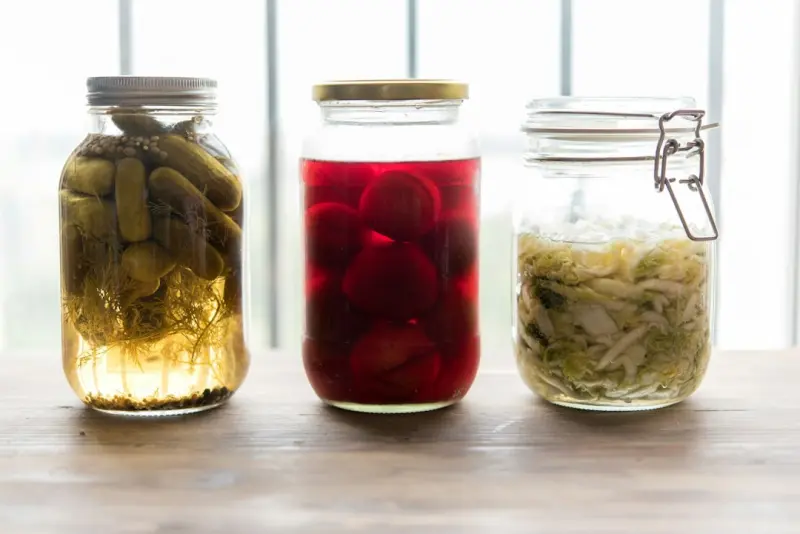
Wild Fermentation: Turning Everyday Foods into Immune Boosters
Fermentation offers a low‑cost, high‑impact way to boost gut health, immunity, and flavor. Learn... Read More
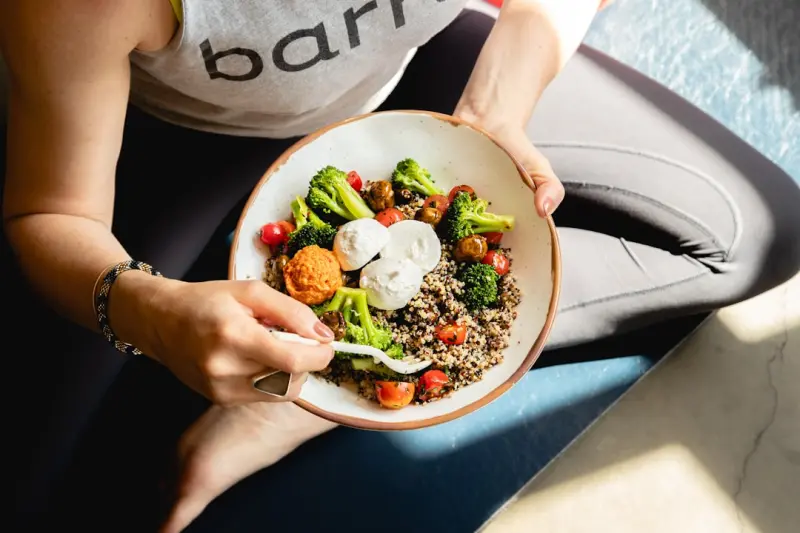
Smart Food Pairings: Boosting Nutrient Absorption in Everyday Meals
Learn to pair everyday ingredients for maximum nutrient absorption, using seasonal foods, foraged fi... Read More
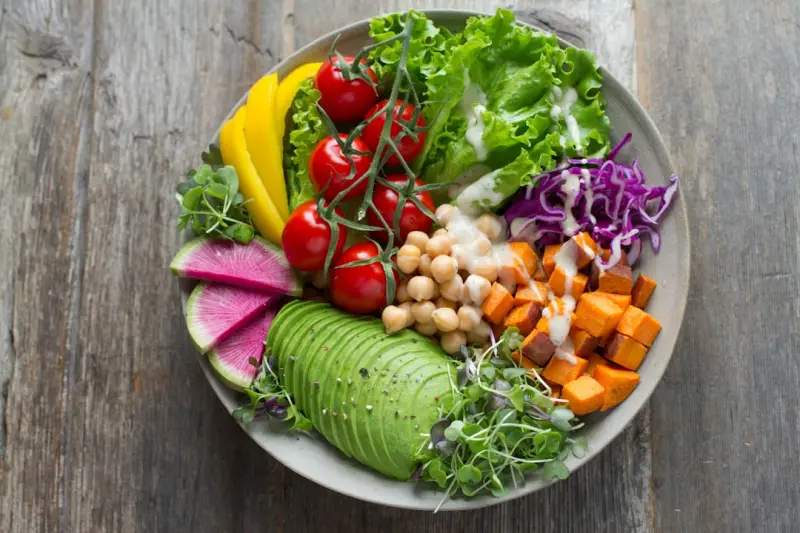
Synergistic Food Pairings: Boosting Nutrition One Plate at a Time
Learn the science behind pairing fats with vitamins, vitamin C with plant iron, and more. This gui... Read More
Top Posts

Mindful Journeys: Turning Cruise Ships and Coach Tours into Wellness Sanctuaries
Explore the emerging trend of wellness‑focused travel, where cruise ships and boutique coach tours combine mindfulness, nutrition, and sustainability to creat...Read More

Parental Warning: Navigating SaaS, Data Privacy, and Kids in the Digital Age
A deep dive into the hidden data pipelines of kids’ apps, why parental warnings matter more than ever, and actionable tips for safeguarding children’s digit...Read More

Parental Warning: The Silent Subscription Drain in Kids' EdTech
A deep dive into the subscription traps of kids' edtech, revealing hidden costs, privacy risks, and actionable strategies for parents to regain control and prot...Read More

Seasonal Homekeeping: A Canadian Guide to Living in Harmony with the Climate
Learn the art of seasonal homekeeping in Canada—practical tips for each season that enhance comfort, cut costs, and deepen your connection to the ever‑chang...Read More
0 Comments
Post Comment
You will need to Login or Register to comment on this post!