

Why Fermentation is the Quiet Revolution in Our Kitchens
When I first watched a mason jar transform milk into silky yogurt, I realized that fermentation is more than a culinary trick; it is a conversation between microbes and our taste buds that lasts for centuries. Home fermentation invites us to become co‑creators, letting bacteria, yeasts, and wild molds rewrite the flavor script of simple ingredients, turning cabbage into kimchi, grapes into sparkling kombucha, and barley into hearty sourdough. The allure lies in its paradox: a process that feels ancient yet thrives on the newest kitchen gadgets, and it offers a tangible way to reclaim agency over the food we consume while satisfying a craving for novelty.
The Science Behind the Bubbles and the Brine
At its core, fermentation is a biochemical dance where microorganisms break down sugars, releasing acids, carbon dioxide, and alcohol that preserve and flavor foods; this alchemy is why a few weeks in a cool dark cupboard can yield a probiotic-packed elixir. Modern microbiology tells us that each strain of Lactobacillus or Saccharomyces brings its own aromatic fingerprint, shaping the final product’s sourness, fizz, and complexity, while also producing compounds that support gut health. Understanding this science empowers home brewers to experiment confidently, adjusting temperature, salt concentration, and fermentation time to coax out nuanced notes that rival any commercial offering.
From Starter Cultures to Ready‑Made Kits: The Democratization of Fermentation
In the past, acquiring a reliable starter culture meant hunting down specialty markets or coaxing friends with decades of experience, but today a thriving marketplace supplies everything from SCOBYs to kefir grains with clear usage guides. These kits lower the barrier to entry, allowing novices to achieve consistent results without the intimidation of trial‑and‑error, while still encouraging creativity through customizable flavor add‑ins like ginger, hibiscus, or roasted peppers. By providing both the microbes and the methodology, the industry is turning what once felt like a secret hobby into a mainstream kitchen staple.
Flavor Architecture: How Fermentation Elevates Everyday Ingredients
Fermentation is the ultimate flavor amplifier; it extracts hidden umami from vegetables, deepens the caramel notes of fruit, and introduces a pleasant acidity that brightens soups and stews. When I pair a tangy kimchi brine with a grilled pork chop, the contrast of salty, sour, and sweet creates a symphony that no simple seasoning can mimic, demonstrating how fermented condiments can become the centerpiece of a dish rather than a side note. The process also introduces a textural dimension—crunch from fermented carrots, fizz from kombucha—that engages the palate on multiple sensory levels.
Building Community One Jar at a Time
Fermentation naturally fosters conversation, as each batch becomes a story shared around kitchen tables, farmer markets, and online forums where enthusiasts trade tips, troubleshoot failures, and celebrate successes. I often reference the thriving grassroots energy movement as an analogy: just as communities band together to generate clean power, fermenters unite to generate flavor, knowledge, and a sense of self‑sufficiency. These connections turn solitary experiments into collaborative learning, reinforcing the idea that good food is as much about relationships as it is about recipes.
Sustainability Benefits Hidden in the Fermenting Jar
Beyond taste, fermentation offers a low‑impact method to extend the shelf life of surplus produce, reducing food waste and the carbon footprint associated with refrigerated storage and transport. By turning wilted greens into a tangy kimchi or overripe fruit into a probiotic soda, we divert ingredients that would otherwise end up in landfill, simultaneously creating nutrient‑dense foods that support a resilient diet. This circular approach aligns with broader sustainability goals, proving that small kitchen practices can contribute to global environmental stewardship.
Health Perks That Extend Beyond the Gut
Scientific studies increasingly link fermented foods to improved digestion, enhanced immune response, and even mental well‑being, thanks to the diverse probiotic strains that populate these living foods. The live cultures found in kefir, miso, and kombucha can outcompete harmful bacteria, produce B‑vitamins, and modulate inflammation, making them a valuable addition to a balanced diet. Incorporating a daily dose of fermented fare not only diversifies flavor but also supports a holistic approach to health that modern medicine is only beginning to fully recognize.
The Future of Fermentation: Hyper‑Local, Hyper‑Creative
Looking ahead, I see a wave of hyper‑local fermentations where neighborhoods harvest heirloom vegetables, wild yeasts, and indigenous bacteria to craft terroir‑specific beverages and condiments, echoing the craft beer renaissance but on a broader scale. Innovations such as smart fermentation chambers that monitor pH, temperature, and gas production will give home makers unprecedented precision, while open‑source recipes and community seed banks will keep the tradition evolving. This convergence of technology, tradition, and community promises to keep fermentation at the forefront of food culture for years to come.
Getting Started: Your First Ferment in Three Simple Steps
Begin with a trusted starter—whether it’s a store‑bought kimchi mix, a kombucha SCOBY, or a handful of whey from yogurt—then choose a fresh, high‑quality ingredient, and finally, create a controlled environment by sealing your jar and placing it in a cool, dark spot for the recommended period. Patience is key; resist the urge to open the jar too early, and trust the subtle signs—bubbles, aroma, and texture changes—that indicate a successful fermentation. With these basics, you’ll quickly discover that the joy of turning ordinary foods into extraordinary experiences is both accessible and endlessly rewarding.

Related Posts
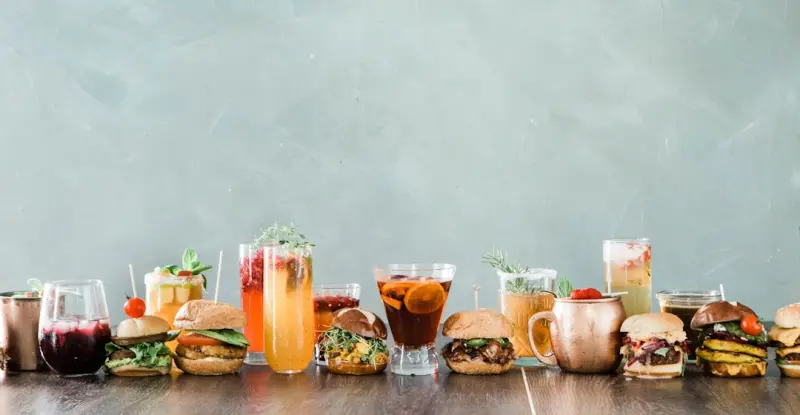
Umami Unlocked: Elevate Your Cooking with Natural Flavor Boosters
Learn the science behind umami and simple, natural ways to boost flavor in your cooking using everyd... Read More
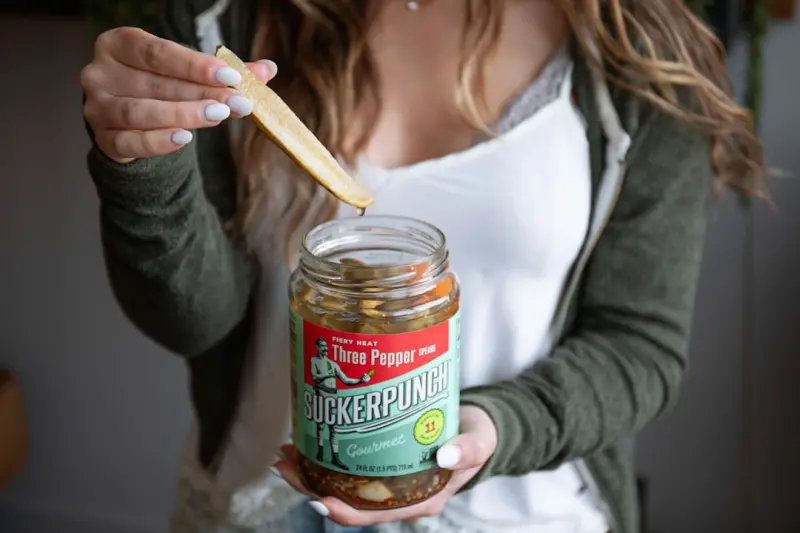
Fermenting the Future: How Homegrown Probiotics Are Changing Our Kitchens
From kombucha to kimchi, home fermentation is reshaping kitchens with probiotic health benefits, zer... Read More
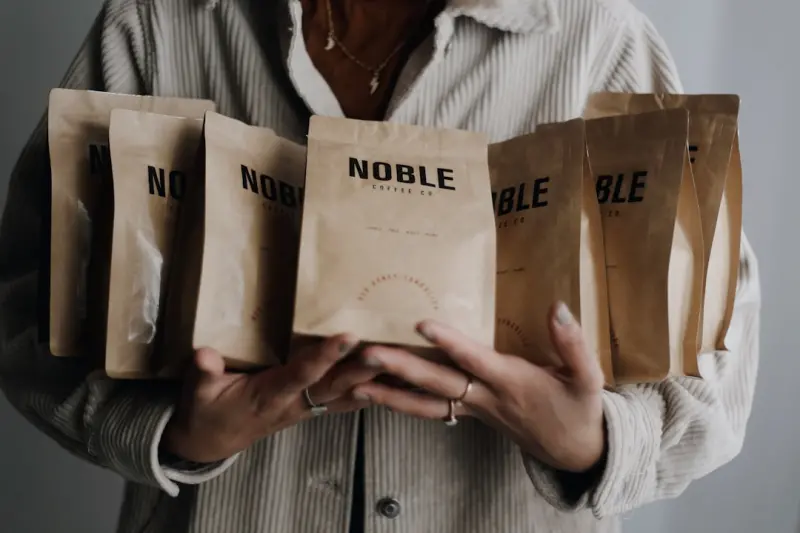
Edible Packaging: The Quiet Revolution Changing What We Eat and Drink
A deep dive into the rise of edible packaging reveals how innovative materials, AI-driven personaliz... Read More
Top Posts

Aberdeen Avenue Claims the Unwanted Title: Ontario's Worst Road for the Second Year Running
The votes are in, and the results are clear: Ontarians are not happy with the state of their roads. For the second year in a row, Aberdeen Avenue in Hamilton ha...Read More

Beyond the Spotlight: A Post‑Celebration Playbook for Prom & Graduation
A comprehensive guide that helps graduates turn the excitement of prom and graduation into lasting momentum with smart budgeting, digital detox, community build...Read More

Charting Connection: How Community‑Focused Cruises and Bus Tours Redefine the Travel Experience
Discover the hidden magic of group voyages—where sensory richness, proactive wellness, and community storytelling turn ordinary cruises and bus tours into unf...Read More

Finding Freedom in the Offline: Why Digital‑Detox Escapes Are the New Luxury
Explore the rising trend of digital‑detox travel, where unplugging from devices transforms vacations into truly restorative experiences, fostering deeper conn...Read More
0 Comments
Post Comment
You will need to Login or Register to comment on this post!