
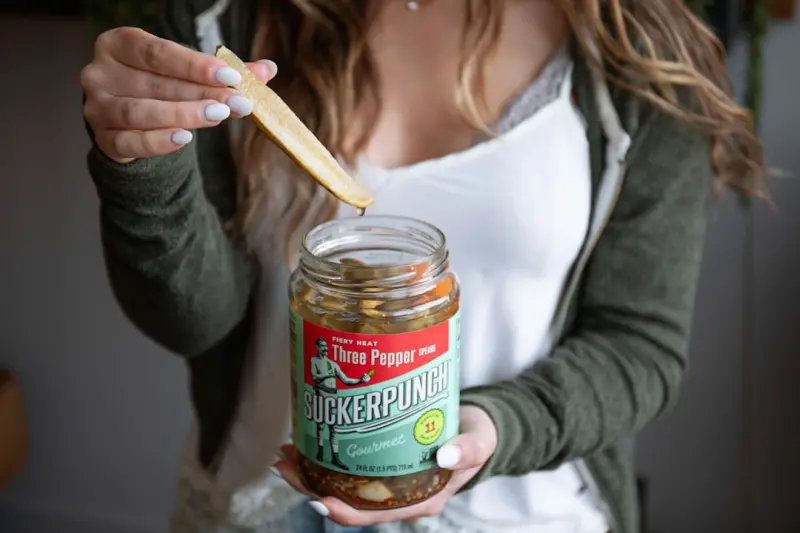
When I first watched my grandmother coax a cloud of bubbling kombucha from a humble glass jar, I thought I was witnessing a family ritual rather than a culinary revolution. Today, that same fizzy, probiotic‑packed brew is sprinting into the mainstream, and it’s not just about the tangy sip. Fermentation is becoming a cultural catalyst—rewiring our kitchens, reshaping our health narratives, and even nudging the tech world to pay attention. In this deep‑dive, I’ll walk you through why home fermentation is the hottest trend in food & drink, how it dovetails with sustainability, and the surprising tech tools that are turning ordinary pantries into cutting‑edge bio‑labs.
The Science of Soups, Sauces, and Symbiosis
At its core, fermentation is a partnership between humans and microbes. Lactobacillus, yeast, and a host of friendly bacteria consume sugars and, in return, release acids, bubbles, and flavors we love. This symbiotic relationship dates back millennia—think sourdough, kimchi, and tempeh—but what’s new is the scale and intention behind it.
Why it matters now:
- Gut health boost: A balanced microbiome can improve digestion, bolster immunity, and even influence mood through the gut‑brain axis.
- Flavor amplification: Fermentation creates depth and complexity that heat alone can’t achieve, turning a bland cabbage leaf into a zingy, umami‑rich masterpiece.
- Waste reduction: By extending shelf life and turning surplus produce into edible treasures, fermenting cuts food waste dramatically.
These benefits intersect neatly with the growing appetite for circular kitchen innovations that many restaurateurs are championing. While chefs are turning kitchen scraps into signature dishes, home cooks are doing the same with everyday leftovers, creating a feedback loop that fuels both sustainability and creativity.
From Kombucha to Koji: A Fermentation Spectrum
Fermentation isn’t a one‑size‑fits‑all hobby. It spans a spectrum, each point offering a different sensory adventure:
- Kombucha: Fermented tea that delivers a sparkling, mildly acidic drink teeming with probiotics.
- Kefir: A milk‑based beverage that’s thicker than yogurt, with a tang that can make even coffee lovers perk up.
- Kimchi: The Korean staple that brings heat, crunch, and a complex bouquet of garlic, ginger, and fermented cabbage.
- Sourdough: The crusty loaf that owes its signature crumb to wild yeasts and lactobacilli thriving in a starter.
- Miso & Soy Sauce: Japanese umami powerhouses that develop over months, if not years, of controlled fermentation.
- Koji: The Aspergillus mold that transforms rice, barley, or soy into a sweet, savory base for everything from miso to shochu.
Each of these projects can be as simple or as sophisticated as you desire. A mason jar, a pinch of salt, and a dash of curiosity are often enough to get started. Yet, the deeper you go, the more you’ll discover the subtle dance of temperature, oxygen, and time—variables that can be fine‑tuned with a little tech.
Smart Kitchen Tech Meets Ancient Craft
It might feel paradoxical to pair a centuries‑old practice with sleek, modern gadgets, but the synergy is undeniable. The rise of smart kitchen tech is making fermentation more predictable and accessible than ever.
Consider these tools:
- Wi‑Fi‑enabled temperature controllers: Precise heat regulation (often within a 1°C margin) ensures that your sourdough starter or kimchi stays in the optimal range, even when you’re away on a weekend trip.
- pH meters that sync to your phone: Real‑time acidity readings help you catch the perfect moment before a ferment goes too sour.
- AI‑driven fermentation apps: By logging your starter’s activity, these platforms suggest adjustments, predict flavor outcomes, and even remind you when it’s time to feed the culture.
- Smart dehumidifiers: Certain ferments, like dry‑cured sausages, thrive in low‑humidity environments—something a connected dehumidifier can maintain effortlessly.
These devices not only lower the barrier to entry for beginners but also appeal to the data‑driven foodie who loves a good spreadsheet as much as a good palate.
Micro‑Seasonal Foraging: The New Frontier
While tech helps you perfect the process, the real magic often begins with the ingredients you choose. Enter micro‑seasonal foraging—a practice that encourages urban dwellers to harvest hyper‑local, ultra‑fresh flora at the peak of its flavor.
Imagine strolling through a community garden in early summer, plucking wild fennel, chickweed, or nettles, and then whisking them into a brine for quick pickling. The result? A ferment that captures the exact moment of the season, offering flavors you can’t replicate from store‑bought produce.
This practice dovetails beautifully with the sustainability narrative. By sourcing directly from your neighborhood, you slash transportation emissions, support biodiversity, and create a tangible connection between the land and your table.
Fermentation as a Social Experience
Beyond the science and the taste, fermentation is increasingly a communal activity. Online forums, local meet‑ups, and “starter swaps” are thriving. People share their SCOBYs, starter cultures, and recipes, fostering a sense of belonging that mirrors the collaborative ethos of the modern food scene.
These gatherings also serve as informal education hubs. A seasoned fermenter can walk a newcomer through the nuances of temperature control, while a tech‑enthusiast can demo a new AI app. The cross‑pollination of knowledge accelerates the hobby’s growth, turning it into a cultural movement rather than a niche pastime.
Health Benefits: More Than Just Probiotics
While the probiotic content grabs headlines, there’s a deeper health narrative at play. Fermented foods are rich in:
- Enzymes: Facilitating better nutrient absorption.
- Organic acids: Lowering the glycemic impact of carbohydrates.
- Bioactive peptides: Offering antihypertensive and antioxidant effects.
- Vitamin B12 (in certain fermentations): Especially valuable for plant‑based diets.
Emerging research suggests that a diet rich in fermented foods may reduce inflammation, improve mental clarity, and even support weight management. While more rigorous studies are needed, the anecdotal evidence—my own morning kefir habit, for instance—feels compelling.
Getting Started: A Beginner’s Roadmap
Ready to dive in? Here’s a straightforward 5‑step guide to launch your fermentation journey:
- Pick a starter: Choose something simple—cabbage for sauerkraut, tea for kombucha, or milk for kefir.
- Gather tools: You’ll need a clean glass jar, a breathable cloth or lid, and, if you’re tech‑savvy, a temperature controller.
- Follow a basic recipe: Salt ratio for sauerkraut is roughly 2% of the vegetable weight. For kombucha, use 5–10 g of sugar per liter of tea.
- Monitor and adjust: Check temperature, pH, and visual cues (bubbles, cloudiness). Use your smart devices to log data.
- Taste, refine, repeat: Fermentation is an iterative art. Adjust salt, time, or temperature based on your palate.
Remember, the goal isn’t perfection on the first try—it’s experimentation. Each batch teaches you something new about the microbes you’re hosting.
Scaling Up: From Kitchen Counter to Community Kitchen
For those with a larger appetite, scaling your fermentations can become a community project. Many co‑ops and neighborhood hubs have begun offering “Ferment Labs” where members can rent space, share equipment, and collaborate on larger batches—think barrels of kombucha or community‑wide sauerkraut festivals.
These initiatives not only amplify the sustainability impact but also democratize access to health‑boosting foods, especially in food‑insecure areas where fresh produce is scarce.
Future Trends: The Next Wave of Fermented Innovation
Looking ahead, several trends are poised to reshape the fermentation landscape:
- Hybrid Ferments: Combining traditional microbes with novel strains engineered for specific health outcomes (e.g., cholesterol‑lowering).
- Fermentation‑focused NFTs: Digital certificates of authenticity for rare starters, allowing collectors to trade unique cultures.
- Zero‑Waste Cocktail Bars: Bartenders are fermenting fruit peels, coffee grounds, and even tea leaves to craft novel bitters and syrups.
- AI‑Guided Flavor Pairing: Leveraging machine learning to predict complementary flavor profiles based on fermentation metabolites.
These developments hint at a future where fermentation isn’t just a kitchen activity but a cross‑disciplinary field intersecting food science, technology, and even digital culture.
Closing Thoughts: A Fermented Future
Fermentation sits at a sweet spot where tradition meets innovation. It invites us to slow down, listen to the quiet work of microbes, and celebrate the flavors that emerge when we collaborate with nature. Whether you’re a tech‑savvy millennial looking for a new hobby, a health‑conscious professional seeking gut‑friendly foods, or a sustainability advocate wanting to reduce waste, there’s a place for you at the fermenting table.
So, next time you pass a glass jar bubbling on a windowsill, don’t just see a curiosity—see a portal to a richer, healthier, and more connected culinary world. Grab a spoon, take a taste, and let the fermentation revolution begin in your own kitchen.

Related Posts
Fermentation at Home: Turning Kitchen Time Into a Flavor Revolution
Megan Morris shares her personal journey into home fermentation, exploring its health benefits, cost... Read More

Zero‑Waste Gourmet: Turning Kitchen Scraps into Star Dishes
Learn practical techniques for zero‑waste cooking, from building a flavorful scrap stock to crafti... Read More
Rediscovering Heritage Grains: Ancient Cereals for Modern Kitchens
Discover how ancient grains like spelt, teff, and sorghum are reshaping modern cooking, offering nut... Read More
Top Posts

Harnessing Data: How Canadian Farmers Are Turning Numbers into Bounty
A deep dive into how data and digital tools are reshaping Canadian agriculture, from precision soil sensors to AI‑powered market insights, helping growers inc...Read More

From Snow‑Covered Clinics to Cloud‑Powered Care: Re‑imagining Rural Health in Canada
A deep dive into the quiet revolution in Canada’s rural health system, highlighting tele‑health expansion, community‑owned data platforms, and preventive ...Read More

Why Hyperlocal Sourcing Is the Secret Sauce for Modern Restaurants
An in‑depth look at how turning to nearby farms and producers can lower costs, reduce waste, and deepen customer loyalty, offering restaurants a fresh competi...Read More

Canada’s Political Pivot: Data, Decentralization, and Climate in the Digital Age
Canada’s political landscape is rapidly evolving as data, remote work, climate policy, and Indigenous collaboration become central to decision‑making, signa...Read More
0 Comments
Post Comment
You will need to Login or Register to comment on this post!