
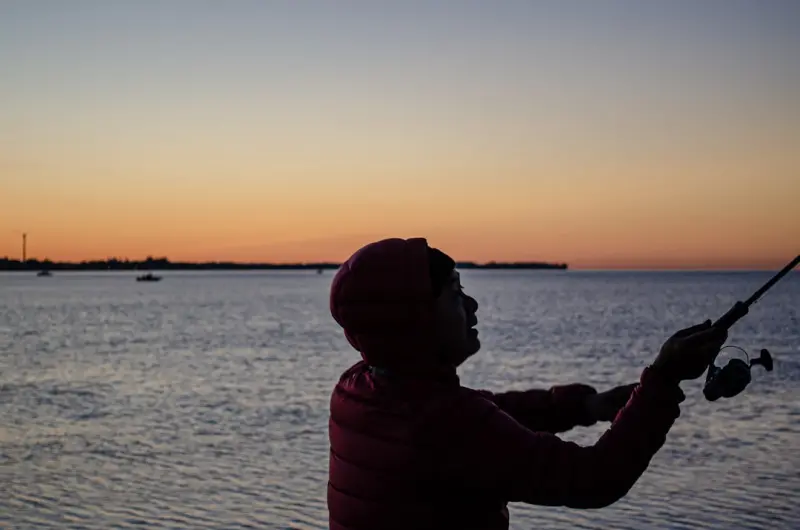
Why Ontario’s Hidden Waters Deserve Your Line
Every time I launch my reel into the glass‑smooth surface of an undiscovered lake, I feel the quiet pulse of a landscape that most anglers overlook, and that sensation fuels my relentless quest for the province’s secret fishing spots; the sprawling shoreline of the Kawartha region, for instance, hides coves where lake trout linger beneath submerged cedar roots, waiting for the slightest vibration of a line. Finding these hidden waters demands more than a glance at a tourist brochure—it requires a deep dive into topographic maps, local forums, and the subtle clues left by wildlife that signal thriving fish habitats, a practice that has become my personal treasure hunt each spring. For those yearning to explore beyond the well‑trodden paths, Ontario’s National Park waterways offer a pristine backdrop where the echo of a cast is the only sound competing with the call of loons.
Seasonality, moon phases, and water temperature compose a delicate symphony that dictates fish activity, and I have learned to read these natural cues like a seasoned conductor; a full moon over Lake Simcoe often triggers a frenzy of bass that surge toward the surface at dusk, while the subtle chill of early autumn coax northern pike into deeper channels where they lie in patient anticipation. By aligning my trips with these rhythmic patterns, I not only increase my chances of a trophy catch but also develop a reverent respect for the ecosystems that regulate these cycles, turning each outing into a lesson in ecological timing. This mindful approach transforms a simple day on the water into an immersive experience where the fish become partners in a shared, seasonal dance.
Beyond the allure of trophy fish, the real reward of venturing into Ontario’s lesser‑known waterways lies in the solitude that allows the mind to reset, a phenomenon I’ve felt keenly while drifting on a mist‑cloaked inlet near the Ottawa River; the gentle rocking of the boat, the soft whisper of reeds, and the occasional splash of a curious walleye combine to create a meditative tableau that clears mental clutter. In those moments, I find the same kind of restorative clarity that many seek through yoga or meditation, yet it is delivered by the natural cadence of the lake itself, reminding me that the act of fishing is as much about inner balance as it is about the catch. This quiet communion with nature has become my personal antidote to the bustle of daily life, a secret sanctuary that only the patient discover.
Gear, Tech, and Tactics for the Thoughtful Angler
Choosing the right gear is a dance between effectiveness and environmental stewardship, and over the years I have refined a minimalist setup that respects the water while still delivering performance; a lightweight graphite rod paired with a fluorocarbon leader reduces line visibility, and a biodegradable lure made from natural pigments ensures that any loss to the depths does not linger as plastic waste. Every component matters, from the type of reel oil that prevents metal corrosion to the selection of a knot that minimizes injury to a hooked fish, and this attention to detail reflects a broader ethic of leaving the lake better than we found it. When I pair this conscientious kit with the quiet patience of early morning, the results often surprise even seasoned companions.
In recent seasons, I have begun experimenting with wearable technology to monitor my physiological response while waiting for a bite, a practice that bridges traditional angling with modern wellness trends; a simple heart‑rate sensor tucked beneath a fishing vest alerts me when my pulse spikes from excitement, prompting a brief pause to breathe and refocus, thereby enhancing both my concentration and the ethical handling of each catch. The integration of monitoring your pulse while waiting for a bite not only sharpens my awareness but also cultivates a calmer presence on the water, a state that often translates into more humane catch‑and‑release practices. This subtle tech infusion respects the timeless rhythm of fishing while nudging it gently toward a healthier, more mindful future.
For those eager to push the envelope further, I have started collaborating with local Indigenous knowledge keepers who share centuries‑old observations about fish spawning grounds and seasonal migrations, insights that are rarely captured in mainstream fishing guides; their stories about the ancient pathways of sturgeon along the Trent River, for example, have guided me to quieter tributaries where these majestic creatures still gather. By honoring these narratives and blending them with contemporary data, I have discovered a powerful synergy that mirrors the concepts explored in blending traditional stewardship with modern tools, albeit applied to aquatic ecosystems instead of fields. This collaborative mindset not only enriches my own angling repertoire but also fosters a sense of shared responsibility for preserving the waterway heritage for future generations.
Beyond the Catch: Community, Culture, and Conservation
Fishing in Ontario is far more than a solitary pursuit; it is a thread that weaves together families, friends, and entire communities, and I have witnessed firsthand how a shared day on the water can strengthen bonds that might otherwise fray under modern pressures; the laughter of children as they reel in their first perch, the quiet mentorship of veteran anglers guiding newcomers through the subtleties of knot‑tying, and the collective cheer when a massive salmon finally breaks the surface—all serve as living proof that the sport sustains social cohesion. By inviting neighbors to join my outings and encouraging them to adopt sustainable practices, I help nurture a culture where respect for the environment is passed down as naturally as fishing lore.
Conservation efforts thrive when anglers become active stewards, and I have taken this responsibility seriously by participating in local fish‑stocking initiatives and reporting invasive species sightings to provincial authorities, actions that directly contribute to the health of our freshwater ecosystems; each time I release a caught trout using a gentle, wet hand, I am reminded that my choices ripple outward, influencing water quality, habitat integrity, and the future availability of the sport we cherish. Moreover, supporting community‑run clean‑up days along the shores of Lake Erie has shown me how collaborative labor can transform neglected banks into thriving habitats, reinforcing the idea that every small effort compounds into broader ecological resilience.
Finally, the stories we collect on each trip become part of Ontario’s broader cultural tapestry, a narrative that extends beyond statistics and regulations into the realm of personal memory; the photograph of a sunrise over a misty inlet, the taste of a freshly cooked trout seasoned with wild herbs, and the quiet gratitude felt after a successful catch all contribute to a living archive that inspires others to explore responsibly. By sharing these experiences through blogs, local workshops, and social media, I hope to spark curiosity in newcomers while reminding seasoned anglers of the profound privilege we hold to witness and protect these waters. In this way, every cast becomes a pledge to honor the province’s rich aquatic heritage, ensuring that the quiet whisper of the Ontario shoreline continues to echo for generations to come.

Related Posts
Ontario’s Community‑Driven Fishing Revolution: Data, Stewardship, and Wellness
Ontario anglers are turning their love for the water into a collaborative, data‑rich movement that... Read More
Rediscovering Ontario’s Hidden Fishing Sanctuaries
A personal guide to uncovering Ontario’s quiet fishing gems, blending local stories, seasonal insi... Read More

Ontario’s Catch‑and‑Release Revolution: Protecting Our Waters One Cast at a Time
Ontario’s catch‑and‑release movement is reshaping angling culture. Learn the science, gear, an... Read More
Top Posts

Data, Disruption, and Democracy: How Canada’s Campaigns Are Evolving
A deep dive into the rise of data-centric campaigning in Canada, examining micro‑targeting, cybersecurity, Indigenous data sovereignty, youth activism, and fu...Read More

Indigenous Screenfront: How Canada’s First Nations Creators Are Shaping Streaming
A deep dive into the surge of Indigenous content on Canadian streaming platforms, the creators behind it, and why it matters for audiences and the industry alik...Read More

Turning Tariffs into Strategic Levers: A Data‑First Playbook for SaaS Leaders
A fresh, data‑centric guide shows SaaS leaders how to transform tariffs from hidden costs into strategic levers, using real‑time intelligence, predictive co...Read More

Eco‑Chic Prom & Graduation: Sustainable Style Meets Celebration
Explore how to blend glamour with sustainability for prom and graduation, from eco‑friendly outfits and décor to digital invites and community‑driven budge...Read More
0 Comments
Post Comment
You will need to Login or Register to comment on this post!