

Flavor Frontiers: How Urban Kitchens Are Redefining Everyday Meals
When I first moved into my downtown loft, the only thing louder than the subway was the hum of my own refrigerator door opening and closing. I quickly realized that “city living” didn’t have to mean “food on autopilot.” In the past few years I’ve turned my modest countertop into a laboratory, a greenhouse, and a conversation hub—all at once. The result? A menu that feels like a passport, a set of techniques that feel like a secret handshake, and a community of neighbors who now ask me for the recipe for my midnight kimchi soda.
Hyper‑Local Micro‑Heritage Crops: The New Soil‑Side Story
There’s a quiet revolution happening in the cracks between sidewalk slabs and balcony railings. Instead of buying bulk kale from a supermarket chain, I’ve started sowing micro‑heritage varieties—those heirloom seeds that survived wars, migrations, and family stories. These tiny seedlings, often rescued from an old farmer’s market stall, bring flavors that are impossible to find in the standard produce aisle: a pepper that tastes like sweet tobacco, a beet that carries a faint hint of chocolate, and a lettuce whose leaves whisper of citrus.
What makes these crops truly special isn’t just their taste, but the narrative they carry. When a neighbor asks, “Why does that carrot taste like a sunrise?” I can point to the seed’s origin, the farmer who saved it, and the climate that shaped it. Food becomes a conversation starter, a bridge between generations, and a reminder that the land we live on still has stories to tell.
The Fermentation Frontier: Beyond Kombucha and Sauerkraut
If you think fermentation is limited to kombucha jars and a few jars of kimchi, think again. The real magic happens when you let micro‑organisms become co‑chefs. I’ve experimented with fermenting everything from watermelon rind (the result is a tangy, fizzy relish that pairs perfectly with grilled pork) to roasted coffee beans (the fermented beans develop a deep, earthy umami that makes a morning brew feel like a ritual).
Fermentation does more than create complex flavors; it also extends shelf life, reduces waste, and offers a natural probiotic boost. My favorite recent discovery is a fermented hot sauce that starts with jalapeños, adds a splash of beet juice, and finishes with a dusting of smoked sea salt. After a week in the cellar, the sauce transforms into a silky, umami‑rich condiment that can elevate a simple scrambled egg into something you’d serve at a brunch with a view.
Botanical Mocktails: The Office’s New Happy Hour
Remote work has turned the kitchen into the unofficial breakroom, and the coffee machine into the only source of social interaction. I’ve responded by turning my cocktail shaker into a botanical mocktail station. Think rosemary‑infused sparkling water, lavender‑kissed ginger tonic, and a dash of hibiscus syrup that turns any meeting into a mini‑celebration.
These drinks aren’t just pretty; they’re functional. The rosemary offers a subtle mental clarity boost, lavender calms nerves before a big presentation, and hibiscus provides a gentle, heart‑healthy dose of antioxidants. By serving them in reusable glass bottles, I’m also nudging my teammates toward a more sustainable habit without preaching “zero‑waste”—it’s simply a tasty alternative to the usual coffee‑break sugar rush.
AI‑Assisted Flavor Pairing: When Algorithms Meet Palates
Yes, AI can be a little scary when it’s teaching kids how to write essays, but in the kitchen it can be a surprisingly humble helper. I’ve been testing a free AI tool that suggests pairings based on chemical compounds. When I entered “charred cauliflower,” the algorithm suggested “pomegranate molasses” and “smoked paprika.” The result was a dish that sang—sweet, smoky, and a touch tart—without any guesswork.
The key is to treat the AI as a brainstorming partner, not a replacement for intuition. I still trust my taste buds more than any algorithm, but the tool helps me break out of my own flavor echo chamber, opening doors to combinations I’d never have considered. It’s a reminder that technology, when used responsibly, can amplify creativity rather than diminish it.
Community Tasting in a Digital Age
Remember the days when neighbors would gather on a porch for a potluck? Those moments have been replaced by virtual tasting parties—Zoom rooms where each participant prepares the same dish and then shares feedback in real time. I recently hosted a “Fermentation Friday,” where twelve people across the city each made a small batch of fermented mango chutney. We compared textures, noted the evolution of flavors over a 48‑hour period, and swapped tips on storage.
This format mirrors the spirit of Community Co‑Creation in restaurants, but it happens in living rooms. The shared experience builds trust, encourages experimentation, and, best of all, creates a digital archive of recipes that can be revisited and refined over time.
Rooftop Gardens: From Skyline to Spice Rack
Living on a high‑rise has its perks, especially when you turn the flat roof into a herb sanctuary. I’ve partnered with a fellow tenant to install a series of modular planters that host basil, cilantro, thyme, and even rare varieties like shiso and epazote. The fresh leaves are harvested daily, adding a burst of garden‑grown aroma to everything from homemade pizza to a simple avocado toast.
Beyond the culinary benefits, these rooftop gardens act as micro‑climates that improve building insulation and provide a green oasis for city dwellers. As we look up at the skyline, we’re reminded that food can be cultivated literally above our heads, turning concrete jungles into edible ecosystems.
From Plate to Story: The Power of Narrative in Everyday Meals
Every time we sit down to eat, we’re participating in a story—one that blends personal history, cultural heritage, and the moment’s mood. By intentionally choosing ingredients that have a story (like a seed saved from my grandmother’s garden) and sharing that story at the table, we turn a simple meal into an experience that lingers long after the plates are cleared.
In practice, this means labeling jars with a short note: “This miso was fermented for 18 months in a cedar barrel, inspired by a Kyoto market.” Or, “These pickled onions were made with the same recipe my aunt used during the harvest festival.” These tiny annotations invite curiosity, spark conversation, and ultimately deepen the connection between food and the people who enjoy it.
Closing Thoughts: Your Kitchen, Your Frontier
Urban living often feels like a race against time, but the kitchen can be a sanctuary where you control the tempo. By embracing hyper‑local micro‑heritage crops, bold fermentations, botanical mocktails, and collaborative tasting, you’re not just feeding yourself—you’re cultivating a community, preserving stories, and pushing flavor boundaries.
If you’re ready to join the flavor frontier, start small: plant a single herb, ferment a handful of veggies, or brew a rosemary‑infused sparkling water. Share the outcome with a neighbor or a coworker, and watch as curiosity spreads faster than any trending hashtag.
And when you’re looking for inspiration beyond the pantry, consider checking out the Rooftop Retreats article for ideas on turning concrete rooftops into edible landscapes. Your next culinary adventure might just be a few feet above the street.

Related Posts
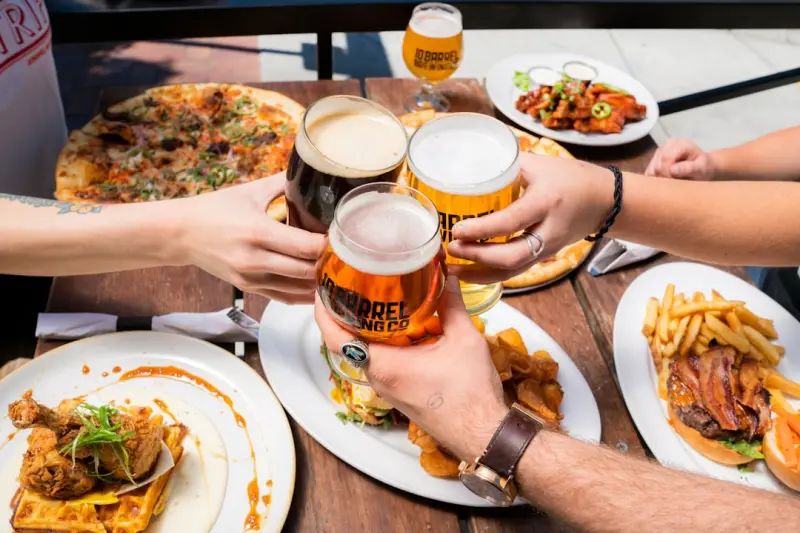
From Compost to Cocktail: Crafting Zero‑Waste Drinks That Delight the Palate
Discover the art of zero‑waste mixology: turn citrus peels, herb stems, and coffee grounds into fl... Read More
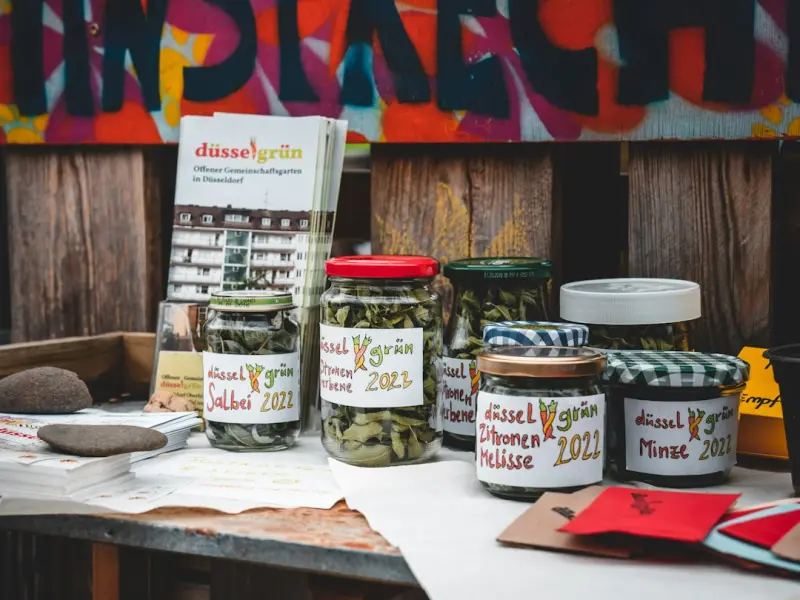
Fermentation Nation: Wild Cultures Are Rewriting the Food & Drink Landscape
Fermented foods and drinks are surging in popularity, offering gut‑friendly benefits, bold flavors... Read More

From Scraps to Sips: How Upcycled Beverages Are Changing the Drink Landscape
Upcycled beverages turn kitchen scraps and food waste into flavorful drinks, offering environmental ... Read More
Top Posts

Nomadic Workspaces: Redefining Travel in the Remote Era
The rise of nomadic workspaces is blending productivity with cultural immersion, offering travelers deeper connections, sustainable economic benefits, and a rei...Read More

From Prom to Graduation: Crafting a Unified, Sustainable Celebration
Explore innovative strategies to blend prom and graduation into a cohesive, eco‑friendly event—covering venues, fashion, budgeting, tech, and post‑celebra...Read More

Beyond the Sticker Price: Unmasking the Real Cost of Everyday Convenience
Convenience feels effortless, but hidden fees, energy use, and mental stress inflate your budget. This article reveals those stealth costs and offers a step‑b...Read More
Why Internal Innovation Labs Are the New Growth Engine for B2B SaaS
Internal innovation labs offer B2B SaaS firms a structured way to test bold ideas, generate new revenue streams, and foster a culture of continuous learning—t...Read More
0 Comments
Post Comment
You will need to Login or Register to comment on this post!