
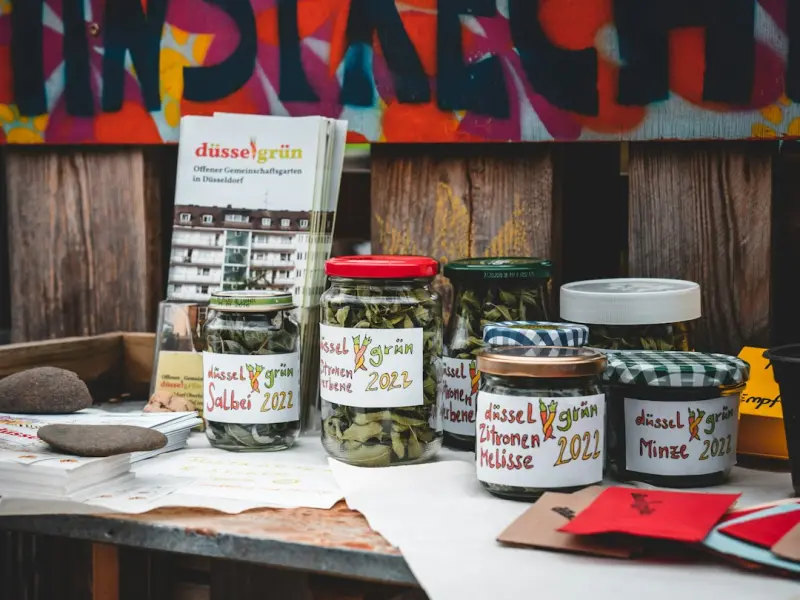
Imagine opening your refrigerator and being greeted not by a sterile row of pre‑packaged snacks, but by bubbling jars of kimchi, sparkling kombucha, and a bright orange miso paste that smells like the sea after a storm. This isn’t a scene from a hipster Instagram feed; it’s the new normal for many households that are rediscovering the art of fermentation. In the past few years, fermented foods and drinks have leapt from niche markets into mainstream kitchens, driven by a mix of health curiosity, flavor adventure, and a growing desire for sustainable food practices.
The Science That Makes Fermentation Irresistible
Fermentation is essentially a partnership between humans and microbes. When we introduce beneficial bacteria, yeasts, or molds to raw ingredients, we’re handing over a portion of the metabolic workload to these tiny allies. They transform sugars, proteins, and fats into a kaleidoscope of flavors, textures, and aromas while simultaneously preserving the food.
What’s fascinating is how this biochemical dance creates compounds that our bodies love. Lactic acid bacteria, for instance, produce probiotic strains that can bolster gut health, improve digestion, and even influence mood through the gut‑brain axis. Meanwhile, yeast‑driven fermentations generate B‑vitamins and antioxidants that act as natural defenders against oxidative stress. The result is a food category that feels good to eat and good for you—a rare win in today’s health‑focused market.
From Ancient Tradition to Modern Trend
Fermented foods have deep roots across continents: Korean kimchi, Japanese natto, Ethiopian injera, German sauerkraut, Mexican pozole, and the ubiquitous yogurt. Historically, these foods were born out of necessity—preserving harvests for winter months or extracting nutrients from otherwise inedible ingredients.
Today, the narrative has flipped. Rather than a forced survival tactic, fermentation is now celebrated for its ability to elevate taste and nutrition. A recent surge in culinary school curricula highlights fermentation labs, and major restaurant chains are adding fermented condiments to their menus. Even the beverage sector is feeling the tremors, with kombucha and kefir outselling traditional sodas in several health‑conscious demographics.
Why Fermented Drinks Are Dominating the Shelf
While fermented foods have long enjoyed a place at the table, fermented drinks are the real market disruptors. Kombucha, once a fringe product sold at farmer’s markets, now occupies premium shelf space in national grocery chains. Its tangy fizz, coupled with claims of detoxification and immune support, has captured the attention of Millennials and Gen Z consumers who crave both novelty and wellness.
Beyond kombucha, the industry is seeing a boom in hard fermented beverages—think low‑alcohol hard seltzers infused with kefir cultures, or barrel‑aged ginger beer that rivals craft beers in complexity. These drinks appeal to consumers looking for alternatives to traditional alcohol without sacrificing the social ritual of a clink.
Home Fermentation: A DIY Renaissance
One of the most exciting aspects of this movement is the democratization of fermentation. With a few jars, a pinch of salt, and a handful of curiosity, anyone can start a small batch of sauerkraut or a bottle of kefir. Social media platforms are awash with tutorials, from “30‑Minute Kimchi” to “Zero‑Waste Fermented Fruit Shrubs.” This DIY spirit not only reduces food waste but also fosters a deeper connection to the ingredients we consume.
For newcomers, the biggest hurdle is fear of the unknown. The good news? Fermentation is remarkably forgiving. The microbes you introduce are resilient, and as long as you maintain a clean environment and proper temperature, the process will self‑regulate. Plus, the visual cues—bubbles rising, aromas developing—offer a rewarding sensory experience that keeps enthusiasts coming back for more.
Fermentation Meets Sustainability
Beyond the gut‑friendly benefits, fermentation aligns perfectly with sustainable food systems. By extending the shelf life of produce, it reduces reliance on refrigeration and minimizes food waste. Moreover, many fermented products require fewer inputs than their non‑fermented counterparts. For example, producing a liter of kombucha typically uses less water and energy than brewing a comparable amount of soda.
Canadian farms are already experimenting with climate‑smart practices that dovetail with fermentation. Regenerative Roots showcases how growers are leveraging cover crops and reduced tillage to improve soil health—conditions that, in turn, yield higher‑quality raw materials for fermentation. When farms invest in biodiversity, the downstream fermenters benefit from richer, more complex flavors that can’t be replicated with mass‑produced inputs.
Flavor Innovation: From Tangy to Umami
Fermentation isn’t just about health; it’s a playground for flavor explorers. The biochemical reactions release glutamates, esters, and other aromatic compounds that add layers of umami, sourness, and complexity. Chefs are harnessing these properties to create dishes that surprise the palate.
Consider the resurgence of fermented hot sauces that blend traditional chilies with miso or fermented black garlic, delivering a depth that simple vinegar‑based sauces lack. Or the rise of fermented fruit condiments that pair beautifully with charcuterie boards, adding a bright, acidic counterpoint to fatty meats.
Even desserts are joining the party. Fermented dairy—think kefir ice cream or cultured yogurts—offers a tangy twist that balances sweetness while adding a creamy texture that melts on the tongue.
Market Dynamics: What the Numbers Say
Industry analysts report that the global fermented foods market is projected to grow at a compound annual growth rate (CAGR) exceeding 8% over the next five years. This growth is propelled by three main forces: consumer demand for functional foods, the expansion of premium fermented beverages, and the rising popularity of home fermentation kits.
Retail shelves are responding. Shelf‑space allocated to fermented items has increased dramatically, with supermarkets dedicating entire aisles to kombucha, kimchi, and artisanal pickles. Even mainstream coffee chains have introduced fermented tea beverages, signaling that the trend has permeated beyond niche health stores into everyday consumer touchpoints.
Challenges and the Path Forward
Despite the optimism, the fermentation wave faces hurdles. Quality control remains a concern, especially for home fermenters who may lack the microbiological expertise to ensure safety. Commercial producers must navigate regulatory landscapes that vary by region, balancing authenticity with compliance.
Education will be key. Brands that provide transparent sourcing information, clear fermentation timelines, and guidance on safe storage can build trust. Community workshops, online courses, and collaborations with culinary schools can demystify the process and encourage responsible experimentation.
Integrating Fermentation Into Everyday Life
For readers looking to dip their toes into this vibrant world, here are three practical steps:
- Start Small: Pick a simple recipe like sauerkraut or kefir. Both require minimal equipment and can be ready in a week.
- Experiment with Flavors: Once comfortable, try adding herbs, spices, or fruit to create unique profiles—think carrot‑ginger kimchi or strawberry‑mint kombucha.
- Share and Learn: Join local fermentation clubs or online forums. Swapping jars and tips not only broadens your palate but also strengthens community bonds.
And if you’re already a seasoned fermenter, consider exploring the musical dimension of food. While it may sound unexpected, When Your Dinner Playlist Becomes the Secret Ingredient illustrates how soundscapes can subtly influence the fermentation environment, potentially adding another layer of nuance to your creations.
The Future: Fermentation as a Cultural Anchor
Looking ahead, fermentation is poised to become more than a culinary trend; it could serve as a cultural anchor that connects people to their heritage, supports local agriculture, and promotes healthful living. As climate change pushes us toward resilient food practices, the low‑energy, low‑waste nature of fermentation offers a scalable solution that can be adapted from the smallest kitchen to the largest industrial facility.
Whether you’re a health enthusiast, a flavor explorer, or a sustainability advocate, the fermented frontier invites you to roll up your sleeves, embrace the microbes, and let the bubbling begin.

Related Posts

From Soil to Glass: Crafting Zero‑Waste Cocktails with Urban Foraged Finds
Discover the art of zero‑waste mixology, where urban foraging and kitchen scraps become the stars ... Read More

The Flavors of Rural America: A Culinary Journey Through the Heartland
Explore the flavors of rural America, from farm-to-table produce to artisanal cheeses and craft beer... Read More

Zero‑Waste Mixology: Turning Scraps into Cocktail Gold
Explore zero‑waste mixology with Alex Moss as he turns kitchen scraps—citrus pith, herb stems, c... Read More
Top Posts

Healing the Land Within: Indigenous‑Led Mental Health Revolution in Canada
A deep dive into the rise of Indigenous‑driven mental health programs across Canada, highlighting land‑based therapies, cultural sovereignty, and innovative...Read More

When AI Writes Your Contracts: Risks, Rewards, and the Law
Discover how AI‑generated contracts are reshaping legal practice, the hidden risks they pose, and actionable strategies to use this technology safely and effe...Read More

Beyond the Popular Piers: Discover Ontario’s Hidden Fishing Havens
A guide to Ontario’s off‑the‑radar fishing locations, offering tips, gear recommendations, and sustainable practices that turn a simple cast into an unfor...Read More

Fermenting the Future: AI, Data, and the New Wave of Craft Beverages
A deep dive into how artificial intelligence and real‑time data are revolutionizing craft beverages—from precision fermentation and personalized flavor prof...Read More
0 Comments
Post Comment
You will need to Login or Register to comment on this post!