

The Cost‑of‑Living Paradox: Why Investing in Flexibility Beats the Traditional “Save‑More‑Spend‑Less” Playbook
When I first moved from a cramped downtown loft to a modest suburb, the first thing I noticed wasn’t the extra square footage—it was the psychological weight of a new, higher monthly rent. My spreadsheet screamed at me, demanding a 15 % cut in discretionary spending. I responded the usual way: canceling a streaming subscription, brewing coffee at home, and skipping the occasional weekend getaway.
That approach works—up to a point. But after a few months, the savings plateaued, and the “frugal” lifestyle felt more like a series of sacrifices than a sustainable strategy. I realized I was fighting a losing battle against a cost‑of‑living treadmill that accelerates with every wage increase, utility hike, and urban development plan.
What if, instead of tightening the belt, we re‑engineer the very way we consume space, time, and services? The answer lies in flexibility: building a personal ecosystem where assets and experiences are shared, where risk is distributed, and where the cost of living becomes a variable you can actively manage—not a fixed wall you’re forced to scale.
1. Rethinking Housing: From Ownership to Lifestyle‑Centric Footprints
Home is the biggest line item in most personal budgets, yet the traditional ownership model is increasingly misaligned with modern work patterns. Remote and hybrid roles have untethered many professionals from the city‑center office, opening a spectrum of housing options that were previously impractical.
- Micro‑apartments with co‑living spaces. Instead of a single, private unit, micro‑apartments paired with communal kitchens and lounges let you enjoy a lower rent while still having a private sanctuary.
- Co‑ownership collectives. Groups of 3‑5 people can purchase a property together, splitting mortgage payments, maintenance, and even the occasional Airbnb income.
- Seasonal swaps. If your job is location‑agnostic, consider swapping homes with a colleague in a different climate for part of the year—effectively paying for two homes with one set of bills.
These models thrive on the principle of shared risk and shared reward. By spreading costs across a community, each participant benefits from a lower per‑person expense while maintaining a high quality of life. In practice, this can shave 30‑40 % off your housing budget.
2. The Power of Skill Swaps and Time Banking
Money isn’t the only currency that fuels the cost‑of‑living equation. Your expertise is a valuable asset that can be exchanged for services that would otherwise eat into your budget.
Enter skill swaps and time banking. In a time bank, one hour of work equals one credit, regardless of the service type. Need a plumber for an hour? Earn three credits by tutoring a student in math. Use those credits later to get your garden landscaped.
This approach accomplishes three things:
- Direct cost reduction. You replace paid services with earned credits.
- Community building. Frequent interaction with neighbors creates a safety net and a sense of belonging.
- Skill diversification. You acquire new abilities simply by participating, making you more resilient in a volatile job market.
Many Canadian municipalities are piloting official time banks, but you can start one informally with a handful of trusted friends. The key is clear accounting—track credits, set fair exchange rates, and maintain transparency.
3. Leveraging Subscription Economy Hacks
Subscriptions are the silent drain on most household budgets. The hidden subscription tax—the cumulative cost of forgotten or underused services—can consume up to 5 % of a household’s net income.
To combat this, adopt a three‑step audit:
- Inventory. List every recurring charge, from streaming platforms to gym memberships.
- Utilization analysis. Track actual usage over a 30‑day period. If you watch a streaming service less than two hours a month, it’s a candidate for cancellation.
- Consolidation. Many services offer family or bundle plans that reduce per‑user costs dramatically.
Beyond the audit, consider “subscription sharing.” A single family plan for a music service can comfortably support six individuals, saving each member roughly $9 per month. Multiply that across three or four shared services, and you’re looking at a $100‑plus monthly reduction.
4. Transportation as a Variable Cost—Not a Fixed Expense
Commuting costs have skyrocketed, but they don’t have to be a permanent fixture in your budget. A blend of micro‑mobility, public transit, and strategic “car‑free” days can slash transportation expenses by half.
Here’s a practical framework:
- Map your weekly routes. Identify which trips are essential (e.g., client meetings) and which can be replaced with a bike or e‑scooter.
- Invest in a multi‑modal pass. Many cities now offer combined transit and micro‑mobility subscriptions for a flat monthly fee.
- Schedule “car‑free” days. Use video conferencing tools for internal meetings and leverage coworking spaces closer to home for external client visits.
By treating transportation as a flexible, negotiable line item rather than a static cost, you unlock room for savings without sacrificing productivity.
5. Food: From Gourmet to Gourmet‑Lite
Food is another major expense, but it also presents an opportunity for creative cost management. The rise of community‑grown produce, bulk buying clubs, and “meal‑prep as a service” can dramatically lower grocery bills.
Consider the following tactics:
- Join a community-supported agriculture (CSA) program. By purchasing a share of a local farm’s harvest, you receive fresh produce at wholesale prices, often with a 20‑30 % discount compared to retail.
- Bulk‑cook and freeze. Allocate two hours on a Sunday to cook large batches of meals that can be portioned and frozen for the week.
- Participate in “pop‑up” grocery cooperatives. These pop‑ups negotiate directly with distributors, cutting out the middle‑man markup.
When paired with skill swaps—trading your graphic design services for a neighbor’s cooking lessons—you not only save money but also expand your culinary repertoire.
6. Mental Health: The Unpriced Cost of Stress
Financial strain is a proven catalyst for anxiety and reduced cognitive performance. Investing in low‑cost mental‑wellness practices can actually increase your net worth by boosting productivity and reducing healthcare expenses.
Simple, evidence‑based strategies include:
- Micro‑meditation breaks. Two minutes of focused breathing each hour can lower cortisol levels, improving decision‑making.
- Digital decluttering. Reducing screen time cuts the “subscription tax” of attention, freeing mental bandwidth for higher‑value tasks.
- Nature immersion. A 15‑minute walk in a green space has been shown to lower blood pressure, decreasing long‑term healthcare costs.
These practices require little to no monetary outlay but yield outsized returns in personal finance.
7. The Future of Work: Turning Remote Flexibility into Cost Savings
Remote work isn’t just a perk; it’s a lever for cost optimization. By negotiating a “home‑office stipend” with your employer—covering high‑speed internet, ergonomic furniture, and a small utility contribution—you shift a portion of the employer’s overhead onto your budget, effectively reducing your personal expenses while maintaining a professional environment.
Additionally, remote work enables you to:
- Choose a lower‑cost residence. Proximity to a major city is no longer mandatory.
- Leverage local tax incentives. Some municipalities offer rebates for residents who work from home, targeting reduced commuter traffic.
- Access global talent pools. If you run a small business, hiring freelancers from lower‑cost regions can improve your profit margins without compromising quality.
8. Community‑Level Initiatives: The Macro Lens
While individual actions are powerful, scaling cost‑of‑living relief often requires community coordination. Projects like tiny home villages illustrate how municipalities can provide affordable, high‑density housing while preserving communal spaces.
Other scalable ideas include:
- Municipal broadband cooperatives. By pooling resources, cities can offer high‑speed internet at a fraction of private provider rates.
- Shared‑ownership solar farms. Residents purchase a stake in a local solar installation, receiving a credit on their electricity bill.
- Neighborhood tool libraries. Though already covered in a previous post, expanding these libraries to include high‑value equipment like 3‑D printers can further reduce capital expenditures for hobbyists and small businesses alike.
When local governments adopt these models, the overall cost of living for their constituents drops, creating a virtuous cycle of affordability and economic growth.
9. A Personal Action Plan: From Theory to Execution
To translate the concepts above into real savings, follow this 6‑step roadmap:
- Audit Your Expenses. Use a spreadsheet or budgeting app to categorize every cost, flagging any that exceed 5 % of your income.
- Identify Flexibility Levers. Pinpoint which categories (housing, transport, food, subscriptions) can be reshaped through sharing or alternative models.
- Pilot One Change. Choose the easiest low‑risk adjustment—perhaps a subscription audit—and implement it for 30 days.
- Measure Impact. Compare pre‑ and post‑pilot expenses. Aim for a minimum 10 % reduction in the targeted category.
- Scale Up. Once you see success, layer additional levers (skill swaps, micro‑mobility, remote‑work stipends) into your routine.
- Community Share. Document your journey and share insights with neighbors, creating a ripple effect that amplifies savings across the block.
Remember, the goal isn’t to become a hermit hoarding every penny; it’s to construct a resilient, adaptable lifestyle where cost‑of‑living pressures are mitigated by intelligent design, not brute‑force frugality.
Conclusion: Redefining “Cost of Living” as a Dynamic System
Traditional budgeting treats the cost of living as a static wall you must climb. By reframing it as a dynamic system—one you can negotiate, share, and redesign—you turn expense management into an empowering exercise rather than a punitive chore.
From collaborative housing and skill‑based economies to strategic subscription pruning and community‑wide infrastructure projects, the toolkit for modern professionals is richer than ever. The paradox is simple: the more you invest in flexibility and shared resources, the less you pay in the long run.
So the next time you glance at your rent receipt or utility bill, ask yourself not just “How can I cut this?” but “How can I redesign the underlying structure so that this line item becomes a choice, not a necessity?” The answer lies in community, creativity, and a willingness to view cost of living as a lever you can move—not a rock you must endure.

Related Posts
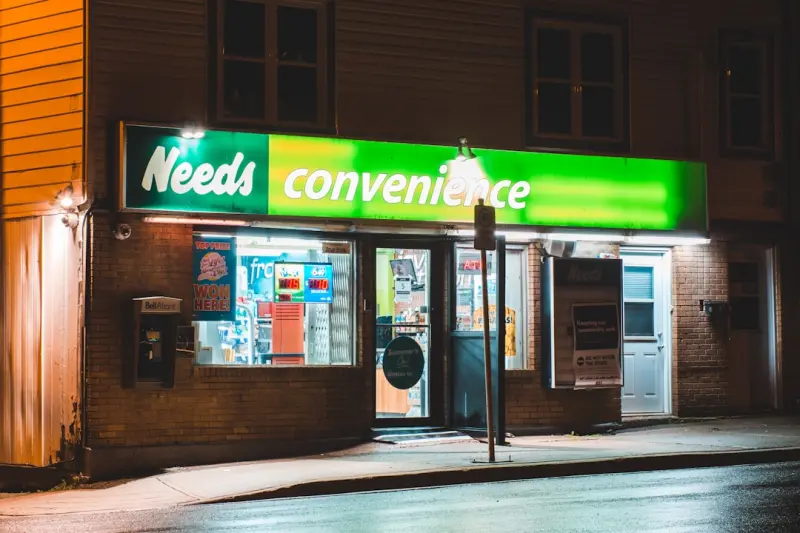
The True Price of Convenience: How On‑Demand Services Inflate Your Budget
Explore the hidden costs of on‑demand services, from food delivery fees to smart‑home subscripti... Read More

Cutting Subscription Fatigue: A Practical Guide to Reclaiming Your Budget
Learn to identify hidden subscription fees, negotiate better rates, and explore community‑based al... Read More

How Community Co‑ops Can Slash Your Monthly Bills
Learn practical ways to reduce everyday expenses through community co‑ops, shared subscriptions, a... Read More
Top Posts

How Biofeedback Wearables Are Redefining Everyday Wellness
Explore how wearable biofeedback devices turn hidden physiological signals into actionable habits, helping you manage stress, improve sleep, and build lasting h...Read More

Rediscovering Uncommon Vegetables: A Fresh Path to Everyday Nutrition
A deep dive into overlooked vegetables—kohlrabi, celtuce, tatsoi, and more—revealing their unique nutrients, easy cooking methods, and how they enrich both ...Read More

Neighborhood Microgrids: Powering Canadian Communities From the Ground Up
Microgrids are emerging as a game‑changer for Canadian neighborhoods, offering reliable, clean power while strengthening local economies and social bonds. Thi...Read More

Regenerative Travel: Turning Vacations into Restoration Projects
Regenerative travel redefines tourism by turning each journey into a chance to heal the planet and uplift local communities, offering meaningful experiences tha...Read More
0 Comments
Post Comment
You will need to Login or Register to comment on this post!