
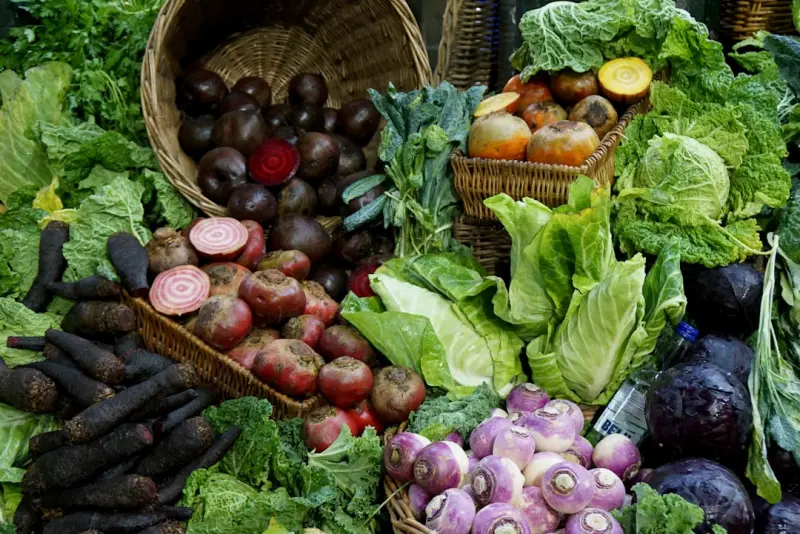
Rediscovering the Power of Unusual Vegetables: A Fresh Take on Everyday Nutrition
When I was a kid, my mom would pull a mysterious, speckled root from the garden and claim it was “good for you.” I laughed, tossed it in the compost, and never thought about it again. Fast forward a few decades, and that same curiosity is driving me to explore the under‑utilized veggies that sit quietly in the produce aisle, waiting for a second chance on our plates.
Most of us have mastered the basics—broccoli, carrots, spinach—yet the world of vegetables is far richer than the handful we see in most grocery carts. From the crisp, peppery kohlrabi to the buttery, earthy celtuce, these “forgotten” foods bring unique textures, flavors, and nutrient profiles that can transform a bland diet into a vibrant, health‑boosting experience.
Why the Lesser‑Known Veggies Matter
Every vegetable carries a distinct blend of vitamins, minerals, phytochemicals, and fiber. When you diversify your intake, you’re not just adding variety—you’re filling nutritional gaps that a limited selection can’t cover. For example, kale is a powerhouse of vitamin K, but chard offers more magnesium and potassium per serving. Similarly, the humble radish packs a punch of vitamin C and antioxidants that rival many citrus fruits.
Beyond the micronutrients, these vegetables often contain specialized compounds that support specific health goals:
- Glucosinolates in broccoli rabe and mustard greens have been linked to improved detox pathways.
- Anthocyanins in purple cauliflower provide anti‑inflammatory benefits.
- Beta‑carotene in orange sweet potatoes supports eye health more efficiently than many leafy greens.
By rotating these under‑appreciated vegetables into your meals, you create a natural “nutrient buffet” that keeps your body guessing—in a good way.
How to Spot the Hidden Gems at the Supermarket
Finding these vegetables can feel like a treasure hunt, but a few simple strategies make it easier:
- Explore the “International” or “Specialty” produce sections. Many stores stock Asian, Mediterranean, or Latin American vegetables that are less common in mainstream aisles.
- Ask the produce manager. Employees often know which items are fresh, seasonal, or on the verge of being discounted.
- Visit farmer’s markets. Small‑scale growers love showcasing heirloom varieties like Romanesco or tatsoi that don’t make it onto grocery shelves.
- Check the “pre‑packaged” mixed greens. Some mixes include rare greens such as mizuna or watercress for an instant nutrient boost.
When you’re uncertain about preparation, a quick search for “how to cook kohlrabi” or “celtuce recipes” will reveal a trove of ideas—from raw salads to roasted sides.
Cooking Techniques That Celebrate Their Unique Qualities
Every unusual vegetable shines under the right cooking method. Below are a few tried‑and‑true techniques that respect the texture and flavor profile of each:
1. Quick‑Blanch & Shock for Crunch
Vegetables like broccolini or baby bok choy maintain a crisp bite when briefly blanched in boiling water (30‑45 seconds) and then plunged into ice water. This locks in color, crunch, and most of the heat‑sensitive nutrients.
2. Roasting for Sweet, Caramelized Depth
Root vegetables such as parsnips or the often‑overlooked sunchokes (also known as Jerusalem artichokes) become naturally sweet when roasted at 400°F (200°C) with a drizzle of olive oil and a pinch of sea salt. The Maillard reaction brings out hidden sugars and creates a satisfying chew.
3. Sautéing in High Heat for Bitterness Balance
Leafy greens with a bitter edge—think radicchio or mustard greens—soften and mellow when quickly sautéed in garlic‑infused olive oil. Finish with a splash of citrus or a dash of balsamic to brighten the flavor.
4. Fermenting for Probiotic Power
While fermentation has been explored extensively in other posts, applying it to less common vegetables—like kohlrabi sticks or shredded daikon radish—creates crunchy, gut‑friendly snacks that keep your microbiome thriving.
Sample Meal Plan: A Week of Uncommon Veggies
To illustrate how easy it can be to integrate these vegetables, here’s a simple seven‑day plan. Each day introduces a new star ingredient while keeping prep time under 30 minutes.
- Monday – Roasted Sunchokes & Kale Salad: Cube sunchokes, toss with olive oil, roast, then combine with massaged kale, toasted pumpkin seeds, and a lemon‑tahini dressing.
- Tuesday – Stir‑Fried Tatsoi & Shrimp: Quickly stir‑fry tatsoi with garlic, ginger, and shrimp; finish with a splash of soy sauce and sesame oil.
- Wednesday – Kohlrabi Slaw: Shred kohlrabi, carrots, and apple; dress with apple cider vinegar, honey, and a pinch of mustard.
- Thursday – Grilled Romanesco Steaks: Slice Romanesco into thick “steaks,” brush with herb‑infused olive oil, grill until charred, and serve over quinoa.
- Friday – Celery‑Root Soup: Simmer peeled celeriac with onion, garlic, and low‑sodium broth; blend until silky, then swirl in a spoonful of Greek yogurt.
- Saturday – Sautéed Mustard Greens & Chickpeas: Toss mustard greens and canned chickpeas in a hot pan with smoked paprika; serve over brown rice.
- Sunday – Cold Cucumber‑Celtuce Salad: Thinly slice celtuce and cucumber, drizzle with rice vinegar, sesame oil, and a sprinkle of toasted sesame seeds.
This plan not only diversifies your micronutrient intake but also keeps meals exciting—no more “same old broccoli” fatigue.
Pairing Unusual Veggies with Complementary Flavors
While the focus here is on the vegetables themselves, thoughtful pairing can elevate the experience. For those interested in the science of how flavors interact, I recommend checking out building complementary flavors. That article dives deeper into why certain taste compounds enhance nutrient absorption—a useful reference when you’re experimenting with new produce.
Nutrition Myths Debunked: “Exotic” Means “Unhealthy”?
One lingering misconception is that unfamiliar vegetables are either “too exotic” or “not nutritious.” In reality, many of these plants have been staples in regional diets for centuries, prized precisely for their health benefits. For instance, daikon radish is a staple in Japanese cuisine, offering digestive enzymes that aid protein breakdown. Similarly, the African amaranth leaves are rich in iron and calcium, supporting bone health.
Another myth is that these veggies are more expensive. While some specialty varieties do carry a premium, many are simply under‑demanded, meaning you can often find them at a discount if you’re willing to explore beyond the usual aisles.
Environmental Wins: Supporting Biodiversity on Your Plate
Choosing a broader range of vegetables also contributes to agricultural biodiversity. Monoculture farming—where the same crop is planted year after year—can deplete soil health and increase pesticide reliance. By purchasing and cooking with a wider array of produce, you encourage farmers to grow diverse crops, which improves soil structure, reduces pest pressure, and ultimately supports a more resilient food system.
When you ask your local grocer to stock more celtuce or kohlrabi, you’re sending a clear signal that there’s demand for sustainable, varied agriculture. It’s a small act with a ripple effect that can help protect ecosystems.
Tips for Storing and Preserving Uncommon Vegetables
Because these vegetables may be less familiar, you might wonder about shelf life. Here are some quick storage hacks:
- Kohlrabi: Keep the bulb wrapped in a damp paper towel in the crisper drawer; it stays fresh for up to two weeks.
- Romanesco: Store whole heads in a perforated plastic bag; they retain crispness for 5‑7 days.
- Daikon: Trim the top and store the root in a container of cold water, changing the water daily for up to a month.
- Celtuce: Separate the stem from the leaves; wrap the stem in a damp cloth and keep the leaves in a sealed bag.
Freezing is also an option for many greens—blanch briefly, pat dry, and seal in freezer bags. This locks in nutrients for future meals.
Bringing It All Together: A Call to Culinary Adventure
At its core, eating well isn’t just about hitting macro goals or ticking off a list of “superfoods.” It’s about curiosity, experimentation, and honoring the planet’s bounty. By inviting the overlooked vegetables onto your table, you’re not only enriching your diet but also participating in a larger story of food diversity and sustainability.
So next time you’re strolling through the produce aisle, pause at the unfamiliar row. Pick up a bulb of kohlrabi, a head of celtuce, or a bunch of tatsoi. Give it a try, share the experience with friends, and watch how a single vegetable can spark conversation, health, and a sense of wonder.
Ready for more insight on how visual cues influence our eating habits? Dive into visual cues for balanced eating to explore how plate composition can subtly guide better choices.
Remember, the journey to optimal health is a marathon, not a sprint. Let each new vegetable be a milestone along the way—a reminder that the world of food is vast, flavorful, and waiting to be discovered.

Related Posts

Seasonal Foraging: The Hidden Powerhouse for Modern Nutrition
Explore the health benefits of seasonal foraging, learn practical tips for beginners, and see how wi... Read More

Beyond the Plate: Harnessing Food Pairing for Maximum Nutrient Power
Learn practical food pairing strategies that unlock hidden nutrients, improve digestion, and make ev... Read More
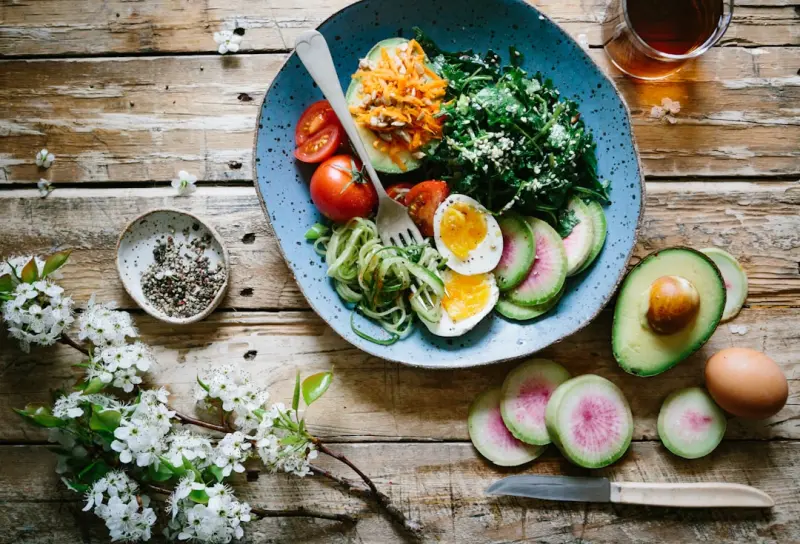
Colorful Plate, Healthier Life: A Food Lover’s Guide
From rainbow‑rich plates to gut‑friendly fermentations, I share the habits that turned my meals ... Read More
Top Posts
Fermentation at Your Desk: Simple Gut‑Friendly Foods for Busy Professionals
Learn how easy, desk‑friendly fermentation can enhance digestion, energy, and focus with simple recipes and practical tips for busy professionals....Read More

The Secret Sauce: AI‑Driven Sensory Analytics Transform Restaurants
AI‑driven sensory analytics let restaurants fine‑tune lighting, sound, scent, and temperature to enhance flavor perception, boost sales, and create inclusiv...Read More

From Stage to Street: How Canada’s Live Storytelling is Redefining Entertainment
Canadian audiences are flocking to pop‑up storytelling events, where local voices, indie theater, and immersive narratives create a fresh, community‑driven ...Read More

Immersive Hybrid Proms: Merging Tradition with Tomorrow’s Tech
Explore the rise of immersive hybrid proms, where augmented reality, livestreams, and digital yearbooks transform classic celebrations into interactive, budgetâ...Read More
0 Comments
Post Comment
You will need to Login or Register to comment on this post!