

Why “Travel” Needs a New Definition
Every time I pack a suitcase, I’m reminded of a paradox that has haunted the industry for decades: the very act of moving people around the globe can both inspire wonder and cause damage. Traditional tourism, with its focus on consumption—hotels, attractions, souvenirs—has long been measured by footfall and revenue. Yet the footprints we leave behind are increasingly scrutinized, from carbon emissions on a trans‑Atlantic flight to overtourism choking the streets of historic districts.
My own journey through the Alps last winter, staying in a chic chalet that boasted “eco‑friendly” credentials, left me with a lingering question: Is sustainability enough? The answer, I’ve discovered, lies in a more ambitious mindset—one that doesn’t just aim to reduce harm, but to actively repair the places we love to visit.
From Sustainable to Regenerative: A Shift in Purpose
“Sustainable tourism” has become a buzzword, promising that travelers will do no harm. It’s an essential baseline, but it stops short of asking travelers to give back. Regenerative tourism flips the script. Instead of merely minimizing negative impact, it encourages tourists to contribute to the ecological, cultural, and economic health of their destinations. Think of it as a two‑way exchange: you receive unforgettable experiences, and the locale receives tangible restoration.
In practice, regenerative travel can look like planting native trees after a hiking trek, supporting local artisans through profit‑sharing models, or volunteering in marine reef restoration while on a beach vacation. The core idea is simple yet powerful: travel should leave a place better than you found it.
The Pillars of Regenerative Travel
- Ecological Restoration – Direct actions that improve biodiversity, such as reforestation, coral gardening, or invasive species removal.
- Community Empowerment – Partnering with local cooperatives, ensuring that a meaningful portion of tourism revenue stays within the community, and supporting capacity‑building initiatives.
- Cultural Revitalization – Preserving and celebrating intangible heritage—languages, crafts, festivals—by involving travelers in authentic, respectful experiences.
- Economic Resilience – Diversifying income streams for host communities beyond the seasonal peaks that traditionally dominate tourism economies.
How Travelers Can Turn a Trip into a Regeneration Project
Embedding regeneration into your itinerary doesn’t require a degree in environmental science. Below are practical steps you can weave into any journey, from a weekend city break to a multi‑continent adventure.
- Choose Operators with Regenerative Credibility – Look for travel companies that publish measurable restoration goals, such as a specific number of trees planted per guest night.
- Allocate “Give‑Back” Days – Reserve a portion of your travel budget for on‑the‑ground projects: a day of reef snorkeling paired with a coral‑nursery workshop, or a mountain trek that ends with a reforestation ceremony.
- Engage in Skill‑Sharing – If you have professional expertise—photography, marketing, web development—offer a few hours to local NGOs or cooperatives. Your time can be as valuable as your dollars.
- Document and Share Responsibly – Use social media to spotlight regenerative projects, but always credit local partners and avoid “poverty porn.” Authentic storytelling amplifies impact.
- Measure Your Footprint – Many apps now calculate carbon emissions for flights and suggest offset projects. Choose offsets that are verified and directly linked to the destination you’re visiting.
Case Study: Regeneration in Action
During a recent trip to a coastal town in the Pacific Northwest, I joined a micro‑tour organized by a community‑run collective. While the tour itself was a short, immersive walk through historic neighborhoods, the real magic happened afterward: participants were invited to assist in a beach‑cleanup that fed directly into a citizen‑science program monitoring shoreline health. By the end of the day, the group had removed over 200 pounds of debris and logged the data for local conservationists.
Another striking example came from a hybrid cruise‑bus adventure along the Mediterranean coast. The itinerary blended a traditional sea voyage with overland excursions that included a weekend of organic farming workshops in a small Italian village. Travelers learned regenerative agriculture techniques and, in exchange, contributed labor to restore terraced fields that had been abandoned for decades. The result? Revitalized farmland, new market opportunities for local growers, and a deeper connection between visitors and the landscape.
Technology as a Catalyst for Regeneration
Advances in travel tech are making regenerative tourism more accessible than ever. AI‑driven platforms can now match travelers with vetted restoration projects that align with their interests and skill sets. Imagine an app that, after you input your destination and travel dates, suggests a curated list of regenerative activities—complete with impact metrics, carbon savings, and direct booking options.
Blockchain is also entering the scene, providing transparent tracking of funds flowing from tourists to community projects. When a traveler pays for a “tree‑planting package,” the blockchain ledger records each seedling’s location, growth stage, and the community it benefits, ensuring accountability and fostering trust.
Overcoming Common Misconceptions
Critics sometimes dismiss regenerative travel as “greenwashing” or a marketing ploy. While any new paradigm can be misused, the difference lies in measurement and transparency. Genuine regenerative operators publish before‑and‑after data—whether it’s the number of native species reintroduced, income uplift for local families, or reductions in waste per visitor.
Another concern is the perceived extra cost. In reality, many regenerative experiences are competitively priced, especially when you factor in the intangible value of meaningful connections and the long‑term health of the destination. Plus, a growing segment of travelers—especially younger, purpose‑driven cohorts—are willing to allocate a modest premium for experiences that align with their values.
Designing Your First Regenerative Journey
Ready to turn your next vacation into a restoration mission? Here’s a simple framework to get you started:
- Research Destination Needs – Identify environmental or social challenges the area faces. Look for reputable NGOs or community groups already addressing those issues.
- Pick a Regenerative Partner – Choose a travel company or local operator with clear impact goals and third‑party verification.
- Integrate Give‑Back Activities – Schedule at least one hands‑on activity that contributes directly to restoration, such as tree planting, reef monitoring, or cultural preservation workshops.
- Set Personal Impact Goals – Decide on measurable outcomes you want to achieve (e.g., “plant 10 trees” or “donate 5% of my travel spend to local artisans”).
- Reflect and Share – After the trip, evaluate the impact, share your story responsibly, and consider how you can support the destination long‑term.
The Future Landscape of Regenerative Tourism
Industry analysts predict that regenerative tourism will move from niche to mainstream within the next decade, driven by rising consumer consciousness and supportive policy frameworks. Destination marketing organizations (DMOs) are beginning to incorporate regeneration metrics into their branding, and major airlines are exploring partnerships with carbon‑negative projects tied to specific routes.
As we stand on the cusp of this shift, the role of the traveler becomes more pivotal than ever. You are not just a consumer of experiences; you are an active steward of the places you explore. By embracing regeneration, you help create a virtuous cycle where tourism funds restoration, restoration enhances the travel experience, and that enriched experience attracts even more mindful travelers.
Take the First Step Today
Whether you’re planning a weekend getaway or a year‑long sabbatical, consider the legacy you want to leave behind. The world’s most breathtaking landscapes, vibrant cultures, and thriving ecosystems deserve more than admiration—they deserve partnership.
Next time you book a flight, ask yourself: How can this journey help heal the destination? The answer could transform not just your vacation, but the future of travel itself.

Related Posts

Exploring Canada's Uncharted Horizons: A Journey Through Unspoiled Landscapes
Canada offers a wealth of experiences for travelers, from stunning natural beauty to rich cultural h... Read More

Purposeful Journeys: Volunteering While You Travel
Travel can be more than sightseeing; it can be a chance to give back. Explore how volunteering abroa... Read More
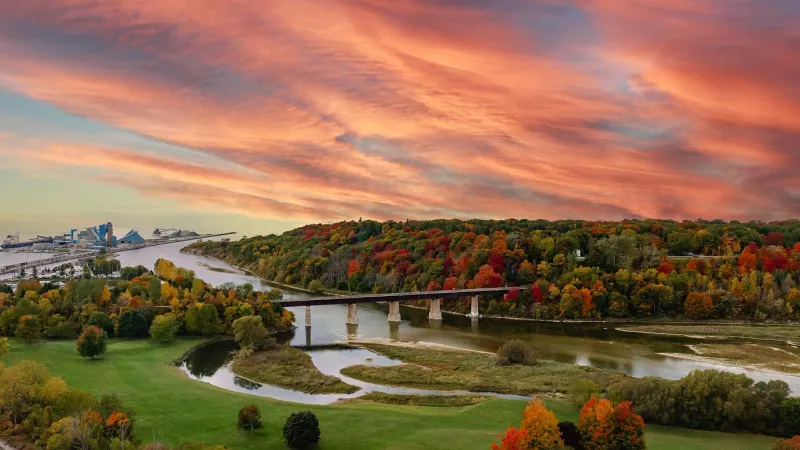
Unveiling Ontario's Hidden Gems: A Summer of Heritage Discovery
Every year, between April and October, the province of Ontario throws open the doors to its rich pas... Read More
Top Posts

Why Canada’s National Broadband Push Is a Game‑Changer for SaaS Growth
Canada’s nationwide broadband upgrade isn’t just a public‑policy win—it’s a strategic lever for SaaS companies. This post explains how improved connec...Read More

AI‑Powered Medication Adherence: A New Chapter for Canadian Pharmacies
Megan Morris examines how AI-driven reminder systems, interoperable health data, and patient‑centred design are transforming medication adherence in Canada, o...Read More

Micro‑Movement Mastery: Transforming Office Health One Step at a Time
Micro‑movement mastery offers a low‑cost, high‑impact solution for office workers seeking better health, sharper focus, and reduced stress—without leavi...Read More

The Hidden Power of Deal Stacking: How B2B Teams Can Multiply Savings
Deal stacking blends volume discounts, loyalty perks, and smart bundling into a powerful savings strategy for B2B SaaS teams. Learn a step‑by‑step blueprint...Read More
0 Comments
Post Comment
You will need to Login or Register to comment on this post!