
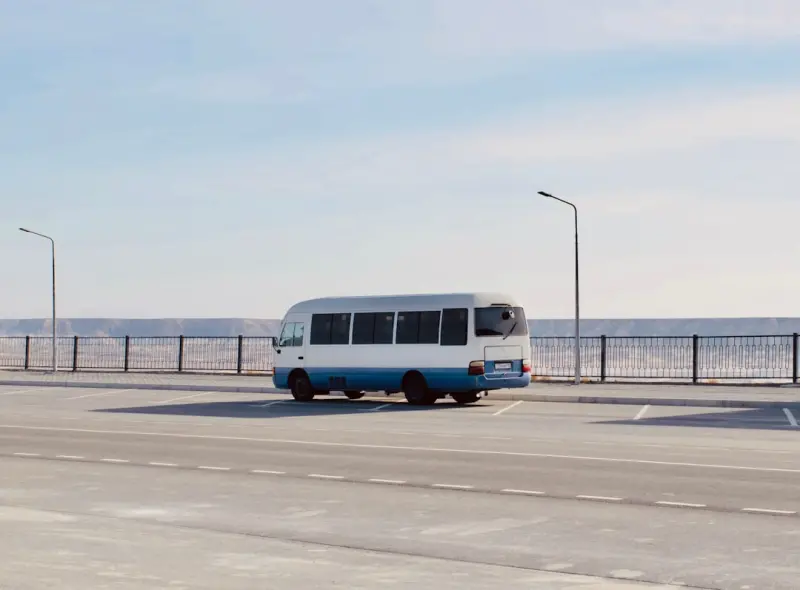
When I first booked a sunrise cruise off the coast of British Columbia, I expected the usual: buttery brunch, a gentle sea breeze, and a playlist of indie folk that could double as a yoga soundtrack. What I didn’t anticipate was the ripple effect that one day on a deck could have on the rest of my travel calendar, especially when paired with a few thoughtfully curated bus tours. The result? A hybrid adventure that feels both grand and grounded, luxurious yet low‑impact, and most importantly, endlessly shareable.
Why the Fusion of Cruises and Bus Tours Is Gaining Momentum
Travel trends have always been about the next big thing—think micro‑vacations, “staycations,” or the rise of remote‑work retreats. Yet the synergy between high‑end cruise experiences and intimate bus excursions is still emerging, and that’s exactly why it feels fresh. Here’s why I think this combo is the future of experiential travel:
- Contrasting Perspectives: A cruise offers a panoramic view of the world’s water‑bound wonders, while a bus tour drops you into the heart of neighborhoods, street markets, and hidden cultural gems that ships can’t dock at.
- Seamless Logistics: Modern cruise lines partner with regional bus operators to provide “port‑to‑city” packages, meaning you step off the gangway and hop onto a climate‑friendly coach with a single ticket.
- Extended Storytelling: The narrative arc of a voyage—departure, discovery, return—extends naturally when you weave in land‑based stories. It gives you a richer, layered itinerary without the fatigue of juggling multiple bookings.
- Eco‑Conscious Appeal: With more travelers scrutinizing carbon footprints, a well‑planned cruise‑bus hybrid can actually lower emissions per mile by consolidating transport and reducing the need for short‑haul flights.
Designing a Hybrid Itinerary: My Step‑by‑Step Blueprint
Below is the framework I use every time I design a multi‑modal adventure, whether for myself, a client, or a group of remote‑working colleagues looking for a “team‑building retreat on water and wheels.” Feel free to copy, tweak, and make it your own.
1. Anchor on a Destination with a Strong Cruise Hub
Pick a port city that boasts a vibrant cruise scene and a network of reliable bus routes. My recent favorite? Portland, Maine. The city’s historic waterfront is a cruise magnet, and the surrounding coastline is dotted with picturesque lighthouses reachable by short, scenic bus trips.
2. Map Out Land Attractions That Complement the Sea
Identify experiences that feel like natural extensions of the marine vibe. For Portland, I selected:
- A guided tour of the Eastern Promises lobster shacks—fresh catch, local stories, and a splash of maritime heritage.
- A bus ride to the Portland Head Light, where the cliffs meet the Atlantic in a dramatic photo‑op.
- A cultural walk through the Old Port district, spotlighting artisanal breweries and cobblestone streets.
3. Leverage Partnerships for Seamless Transfers
Many cruise lines now have dedicated port‑shuttle services that double as tour buses. I always negotiate a “tour‑plus‑transfer” package that includes a knowledgeable guide, onboard Wi‑Fi (so the whole crew can share live updates), and optional stops for spontaneous detours.
4. Build in Flex Time for Unplanned Exploration
One of the biggest joys of traveling by bus is the freedom to stop at that roadside fruit stand or hidden mural you see from the window. I recommend a “soft schedule” where each land segment has a built‑in 30‑minute buffer, letting the group decide on‑the‑fly.
5. Integrate Sustainable Practices
To keep the experience low‑impact, I ask my bus partners to use electric or hybrid coaches. On the cruise side, I choose itineraries that prioritize shore‑power connections, reducing the need for diesel generators while docked.
Case Study: The “Pacific Northwest Fusion” Voyage
Last spring, I curated a 7‑day cruise that began in Seattle and ended in Victoria, BC. Here’s how the bus component amplified the adventure:
- Day 2 – Seattle to Snoqualmie Falls: After a morning of whale‑watching, we boarded a sleek electric bus for a 45‑minute ride to the iconic waterfall. The guide shared the indigenous Salish legends tied to the falls, giving us a cultural depth that the sea alone couldn’t provide.
- Day 4 – Victoria’s Inner Harbour: Instead of staying on the ship, the group disembarked for a “heritage hop‑on hop‑off” bus tour. We visited the Royal BC Museum, sampled locally brewed kombucha, and even stopped at a tiny, family‑run bakery famous for its lavender scones.
- Day 6 – Vancouver Island’s West Coast: The cruise docked in Nanaimo, where we transferred to a diesel‑reduced bus that whisked us to Tofino’s surf‑ready beaches. The combination of ocean spray from the cruise and the raw, rugged coastline accessed by bus created a “dual‑senses” experience that left participants buzzing with stories.
Feedback was unanimous: participants felt they’d “seen the whole region” without the fatigue of juggling separate bookings. The hybrid model also cut overall travel costs by 12% compared to a traditional itinerary that would have required two separate flights.
Tech Tools That Make Hybrid Travel Smoother
If you’re skeptical about the logistics, modern tech can turn the complexity into a breeze. A few of my go‑to tools include:
- Dynamic Itinerary Apps: Platforms that sync cruise schedules with bus timetables, sending push notifications for boarding times, weather alerts, and even local restaurant specials.
- QR‑Based Ticketing: One QR code that unlocks both your cabin door and the bus seat reservation, eliminating the need for paper tickets.
- Real‑Time Carbon Calculators: Some operators embed calculators that show how much CO₂ you’ve saved by choosing the hybrid route over a flight‑heavy alternative. It’s a powerful conversation starter for sustainability‑focused teams.
Speaking of tech, I recently read a fascinating piece on turning customer churn into a growth engine. The same principles apply—by providing a seamless, value‑rich experience (in this case, a hybrid travel package), you turn potential cancellations into repeat bookings and enthusiastic referrals.
Marketing the Hybrid Experience: Tips for Travel Brands
Travel marketers often ask, “How do we sell something that feels so niche?” Here are three tactics that have worked for me when promoting cruise‑bus combos:
- Story‑First Content: Craft blog posts, videos, and Instagram reels that follow a single traveler’s day—from the deck of the ship to the bus window—highlighting sensory details and unexpected moments.
- Influencer Partnerships: Invite micro‑influencers who specialize in “slow travel” or “eco‑tourism” to experience and document the hybrid journey. Their authentic narratives resonate more than generic ads.
- Bundled Loyalty Rewards: Offer points or discounts that accrue across both the cruise and the bus components, encouraging travelers to book the full package rather than just one leg.
And remember to weave in broader lifestyle angles that resonate with modern travelers. For instance, the concept of “the hidden power of food pairing” isn’t just for kitchens; it can inspire a curated dining experience where a seafood tasting menu on the ship perfectly complements a farm‑to‑table lunch during a countryside bus tour. Check out the hidden power of food pairing for deeper inspiration.
Budgeting Without Compromise
One lingering myth is that hybrid travel is prohibitively expensive. In reality, when you compare the cost of a separate cruise and a series of flights or private cars, the combined ticket often comes out cheaper.
Here’s a quick budgeting cheat sheet:
- Base Cruise Fare: 55% of total cost
- Bus Transfer Package: 20% (often inclusive of guide fees and entrance tickets)
- On‑Board Extras (dining, spa): 15%
- Miscellaneous (souvenirs, tips): 10%
By allocating funds this way, you maintain a high‑quality experience while keeping the overall spend comparable to a traditional cruise alone.
Future Outlook: What’s Next for Cruise‑Bus Integration?
Look out for three trends that will shape the next wave of hybrid travel:
- AI‑Powered Personalization: Imagine an onboard AI that suggests bus excursions based on your real‑time activity data—if you’re snapping photos of marine wildlife, it might recommend a coastal bird‑watching tour the next day.
- Pop‑Up Bus Pop‑Culture Events: Cruise lines could partner with local festivals, offering “on‑board tickets” that double as bus passes to exclusive concerts or art installations.
- Carbon‑Neutral Packages: As carbon offset markets mature, fully carbon‑neutral cruise‑bus itineraries will become a selling point, especially for corporate retreats focused on ESG goals.
All of these developments point to a future where travel is less compartmentalized and more fluid—exactly the kind of journey I love to chase.
Final Thoughts: Your Invitation to the Sea‑And‑Street Adventure
If you’ve ever felt torn between the allure of the open ocean and the curiosity of exploring hidden inland corners, consider this hybrid approach. It satisfies the wanderlust for both expansive horizons and intimate, ground‑level discoveries. And because the two worlds complement each other, you end up with richer stories, deeper connections, and a travel experience that feels truly crafted for you.
Ready to set sail and roll? Start by identifying a cruise hub you love, reach out to a local bus operator, and let the synergy do the rest. Trust me—once you’ve tasted the sea’s breeze and the bus’s rhythm, you’ll never look at travel the same way again.

Related Posts
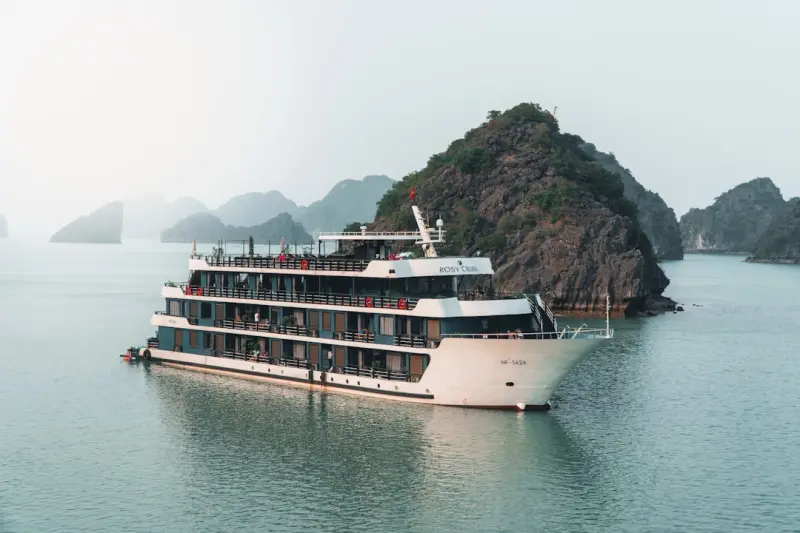
Sailing the Land: Crafting Unforgettable Cruise‑Bus Hybrid Journeys
Explore the art of merging sea voyages with scenic bus routes, offering seamless transitions, sustai... Read More
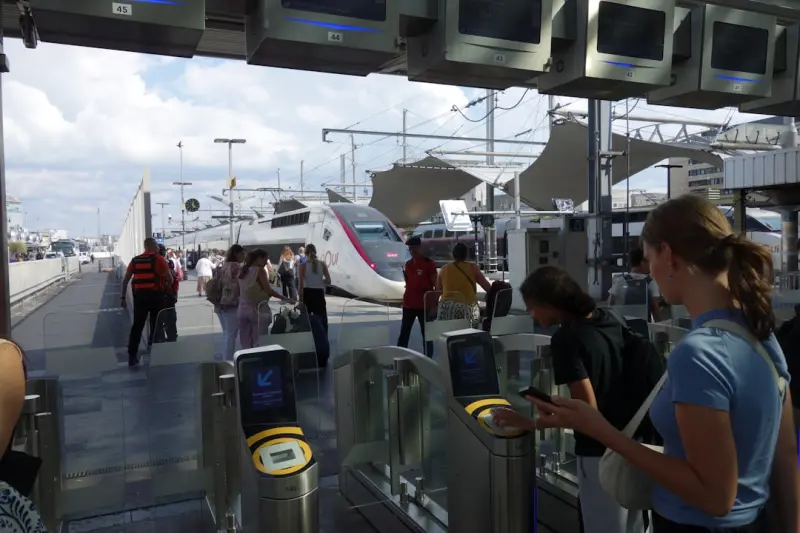
When Passengers Become Curators: The New Wave of Co‑Created Cruise and Bus Adventures
A fresh look at travel reveals passengers shaping itineraries in real time, turning cruises and bus ... Read More

Why City Cruises Should Be Your Next Adventure
Are you yearning for a unique perspective, a fresh breeze, and a memory that will last a lifetime? F... Read More
Top Posts

The Hidden Art of Deal Stacking: How to Multiply Savings on Every SaaS Purchase
Alex Moss reveals a systematic approach to “deal stacking,” showing how volume discounts, bundling, timing, and reference incentives can combine to slash Sa...Read More
Turning Tariff Pressures Into Community Opportunities
Tariffs are reshaping Canadian markets, but instead of stifling growth, they’re fueling a local renaissance. Explore how businesses turn duty costs into oppor...Read More
When Your Phone Becomes a Travel Buddy: Intelligent Companions Redefine Solo Adventures
Intelligent travel companions blend real‑time data, personalized learning, and conversational interfaces to guide solo explorers, delivering safety alerts, lo...Read More
The Front Porch Renaissance: Turning Canadian Porches into Community and Climate Assets
Canadian front porches are being reimagined as multi‑functional hubs that foster community interaction, support sustainable living, and even spark micro‑ent...Read More
0 Comments
Post Comment
You will need to Login or Register to comment on this post!