
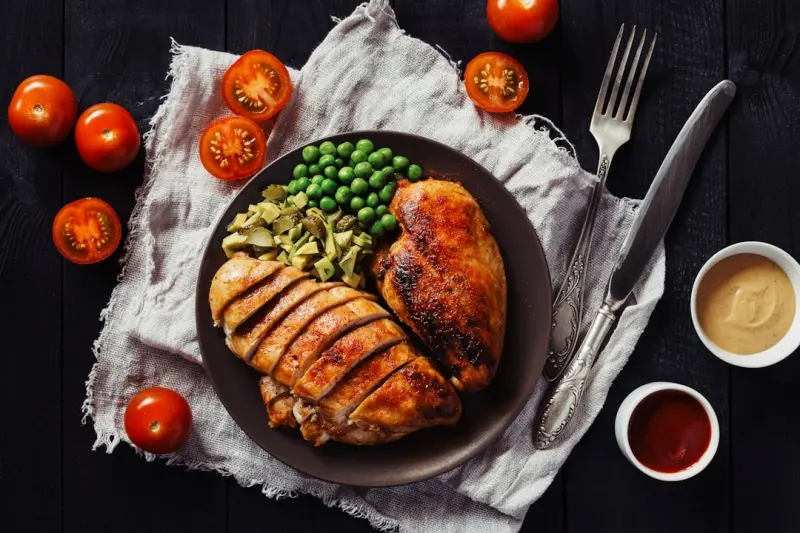
Why Food Pairing Is the Missing Link in Your Nutrition Game
When I first started experimenting in the kitchen, I was obsessed with “superfoods.” Kale, quinoa, chia—if it had a buzzword, I was buying it by the pound. The results were mixed: my salads were vibrant, my energy spikes were short, and my meals felt like a science project rather than a source of comfort. One afternoon, while scrolling through a forum of amateur chefs, a simple comment changed the way I view nutrition forever: “It’s not just what you eat, it’s how the foods interact.” That off‑hand remark sparked a deep dive into the world of food pairing, and what I discovered was a hidden layer of nutrition that most diet guides completely ignore.
Beyond Calories: The Chemistry of Nutrient Synergy
Every bite you take is a miniature chemical laboratory. Vitamins, minerals, phytochemicals, and macronutrients don’t exist in isolation; they react, amplify, or sometimes inhibit each other. The classic example is the absorption of fat‑soluble vitamins (A, D, E, K) which require dietary fat to dissolve and travel through the intestinal wall. Pair a carrot‑rich salad with a drizzle of olive oil, and you’ll unlock a significantly higher intake of beta‑carotene, the precursor to vitamin A.
But the interplay goes far beyond fats. Iron from plant sources (non‑heme iron) is notoriously hard for the body to absorb. However, when you pair it with vitamin C‑rich foods—think spinach with lemon juice or lentils with red bell peppers—your iron uptake can jump by as much as 300 %.
These are not marketing gimmicks; they’re backed by peer‑reviewed research in nutrition science. Understanding the “why” behind these pairings empowers you to craft meals that are not just tasty, but biologically optimized.
The Science of Pairing: How to Think Like a Nutritionist
To make food pairing a habit, start with three guiding principles:
- Complementary Nutrient Profiles: Pair foods that fill each other’s gaps. A protein‑rich legume with a grain that supplies methionine, for instance, creates a complete amino acid profile.
- Absorption Boosters: Identify compounds that enhance the uptake of key nutrients—vitamin C, healthy fats, and certain spices.
- Inhibition Awareness: Some foods can block nutrient absorption. For example, phytates in raw beans can bind iron and zinc. Soaking, sprouting, or cooking can mitigate this effect.
Classic Pairings That Stand the Test of Time
Many of the best food pairings have been honed by culinary traditions across the globe. Here are a few that are both delicious and nutritionally strategic:
- Tomatoes + Olive Oil: The lycopene in tomatoes is fat‑soluble, meaning a splash of olive oil makes it more bioavailable, supporting heart health.
- Turmeric + Black Pepper: Curcumin, the active compound in turmeric, is poorly absorbed on its own. Piperine from black pepper can increase its bioavailability up to 2,000 %.
- Beans + Rice: Legumes are low in the essential amino acid methionine, while grains are low in lysine. Together, they provide a complete protein.
- Spinach + Citrus: Vitamin C from lemon or orange juice boosts the absorption of iron from spinach, a plant‑based iron source.
Modern Twists: Pairing for the Urban Kitchen
Living in a city often means limited space for traditional cooking methods, but you can still harness the power of pairing with clever shortcuts:
- Avocado Toast with Hemp Seeds: Avocado supplies healthy monounsaturated fats, while hemp seeds add omega‑3 fatty acids and a full spectrum of essential amino acids.
- Greek Yogurt + Berries + Chia: The probiotics in yogurt work synergistically with the fiber in berries and chia, supporting a balanced gut environment.
- Quinoa Salad + Pomegranate Molasses: Quinoa offers plant protein and magnesium; the tart pomegranate provides antioxidants and vitamin C for iron absorption.
Seasonal & Local: Let Nature Guide Your Pairings
Seasonality isn’t just a culinary fad; it’s a nutritional advantage. When you choose produce at its peak, you get higher concentrations of vitamins, minerals, and phytochemicals. Pairing seasonal items can amplify these benefits:
- Spring Asparagus + Lemon Zest: Asparagus is rich in folate, while lemon adds vitamin C, enhancing folate’s role in DNA synthesis.
- Fall Squash + Sage: The beta‑carotene in squash is better absorbed when paired with the slight fat content of a sage‑infused olive oil drizzle.
- Winter Kale + Walnut Oil: Kale’s calcium and vitamin K are fat‑soluble; a drizzle of walnut oil not only helps absorption but adds omega‑3s for anti‑inflammatory benefits.
Practical Tips for Home Cooks
Integrating food pairing into everyday meals doesn’t require a culinary degree. Here are actionable steps you can take right now:
- Plan Around One Absorption Booster: Choose a primary nutrient you want to maximize (e.g., iron) and then select a booster (vitamin C source) for the same meal.
- Batch Prep Smartly: Cook a large pot of beans, then portion them with different grains throughout the week to ensure complete protein intake.
- Use Herbs and Spices Intentionally: A pinch of black pepper on turmeric, a splash of citrus on leafy greens, or a sprinkle of sea salt on broccoli can make a measurable difference.
- Mind the Cooking Method: Lightly steaming vegetables preserves water‑soluble vitamins, while sautéing in healthy fats unlocks fat‑soluble compounds.
- Experiment with Fermented Foods: Fermentation breaks down anti‑nutrients like phytates, making minerals more bioavailable. Try adding kimchi, sauerkraut, or miso to grain bowls.
The Bigger Picture: Sustainable Choices Meet Nutrient Pairing
When we talk about nutrition, it’s easy to focus solely on the individual. Yet the food we choose has ripple effects on the environment. By opting for regenerative farming practices, you support soil health, biodiversity, and carbon sequestration. Those same soils produce nutrient‑dense produce, meaning you get more vitamins per bite.
In parallel, selecting microbiome‑friendly snacks—like fermented carrots or probiotic‑rich kefir—helps maintain a diverse gut flora, which is linked to everything from mental clarity to immune resilience. Pair these snacks with a handful of nuts or seeds, and you’ve created a mini‑meal that supports both macro‑ and micro‑nutrient absorption while staying environmentally conscious.
Putting It All Together: A Sample Day of Pairing‑Optimized Meals
Breakfast: Greek yogurt topped with fresh blueberries, a sprinkle of hemp seeds, and a drizzle of honey. The probiotics, antioxidants, and omega‑3s start the day with gut‑friendly synergy.
Mid‑Morning Snack: A small bowl of fermented carrot sticks (microbiome‑friendly) paired with a few almonds for healthy fats.
Lunch: Quinoa and black bean bowl with roasted sweet potatoes, spinach, and a citrus‑tahini dressing. Vitamin C from the dressing boosts iron from the beans, while the tahini (fat) aids absorption of beta‑carotene from sweet potatoes.
Afternoon Boost: Sliced apple with almond butter and a pinch of cinnamon. The healthy fats improve the uptake of the apple’s polyphenols.
Dinner: Wild‑caught salmon (rich in omega‑3s) served over a bed of kale sautéed in walnut oil, finished with a squeeze of lemon. The fat from the salmon and walnut oil helps absorb the fat‑soluble vitamin K in kale, while lemon’s vitamin C enhances iron absorption.
Each meal follows the pairing principles, delivering a balanced nutrient profile without feeling like a regimented diet plan.
Conclusion: Make Pairing Your New Nutritional Superpower
Nutrition doesn’t have to be a guessing game. By embracing the science of food pairing, you turn every plate into a strategic tool for health. It’s not about adding exotic superfoods; it’s about re‑thinking the combinations you already love. Start small—add a splash of olive oil to your next tomato salad, sprinkle some pepper on your turmeric latte, and watch how your energy, digestion, and overall vitality respond. The next time you sit down to eat, ask yourself: “What two foods can work together to make this meal even better?” The answer is often simpler—and more delicious—than you think.

Related Posts
Colorful Bowl Culture: Reinventing Office Snacks for Energy and Focus
A fresh take on office nutrition, this article shows how colorful, whole‑food bowls can replace su... Read More
Unlocking the Hidden Power of Food Texture for Better Health
Explore how the feel of your food—from crunchy carrots to creamy yogurts—affects fullness, blood... Read More
Beyond the Plate: How Mindful Snacks Power Remote Teams
A deep dive into the science of snack nutrition, seasonal produce, and sustainable sourcing shows ho... Read More
Top Posts

The Next Harvest: How Canadian Farmers Are Harnessing Collaborative Tech for Resilience
Canadian farmers are shifting from isolated operations to collaborative networks, sharing equipment, data, and market access through innovative platforms that e...Read More

The Secret Life of Hyper‑Local Pop‑Up Kitchens: How City Dining Is Being Redefined
Explore the rise of hyper‑local pop‑up kitchens, their impact on chefs and diners, and how you can join the culinary revolution in your city....Read More

Virtual Care Hubs: Bridging the Distance Gap in Rural Canadian Health
A deep dive into virtual care hubs reveals how hybrid digital‑physical models are overcoming provider shortages, transportation challenges, and data silos to ...Read More
Fermented Power: Redefining Everyday Nutrition with Gut‑Friendly Foods
A fresh look at nutrition that blends gut‑friendly fermented foods, seasonal produce, and data‑driven insights, offering practical steps for busy profession...Read More
0 Comments
Post Comment
You will need to Login or Register to comment on this post!