
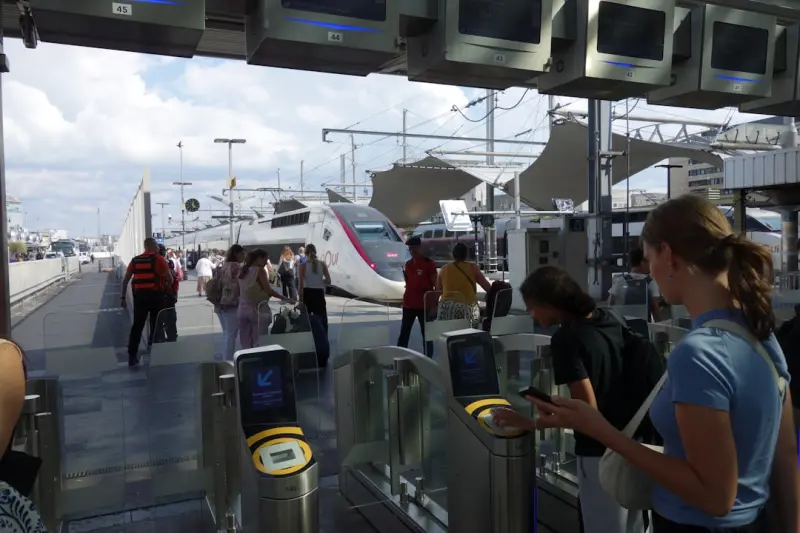
When Passengers Become Curators: The New Wave of Co‑Created Cruise and Bus Adventures
It’s funny how the travel industry has always promised “the journey of a lifetime,” yet for decades the script was written long before the first ticket was sold. I’ve spent the better part of my career watching cruise liners and motor coach operators roll out polished itineraries, sleek brochures, and meticulously choreographed entertainment. The guests, in turn, showed up, cheered the show, and returned home with a handful of photos and a vague sense of having been part of something bigger.
Today, that dynamic is shifting. No longer are travelers passive consumers; they’re stepping onto decks and buses with a notebook, a smartphone, and a bold idea: “What if we could shape the experience ourselves?” This emerging trend of passenger‑driven curation is redefining what a cruise or bus tour looks like, turning each voyage into a living workshop where the itinerary evolves in real time, guided by the collective imagination of the crowd.
From Fixed Schedules to Fluid Storyboards
Historically, a cruise line’s schedule might have read something like: Day 1 – embark, Day 2 – at sea, Day 3 – port of call, Day 4 – themed gala, Day 5 – disembark. Bus tours followed a similar linear path: “Morning: museum; afternoon: winery; evening: dinner.” The logic was simple – predictability sells. But predictability also cages creativity.
Enter the fluid storyboard. Thanks to real‑time polling apps, on‑board digital forums, and a new generation of “co‑creation officers” (think of them as community managers with a flair for logistics), passengers can now vote on everything from the next day’s culinary focus to the type of music that will accompany sunset on the deck. The result? A travel experience that feels handcrafted for the moment, not just for the market segment.
Why Co‑Creation Resonates With Modern Travelers
- Authenticity. Travelers crave genuine connections, not scripted performances. By shaping activities themselves, they inject personal authenticity into every stop.
- Empowerment. When a passenger suggests a sunrise yoga session and sees it materialize, the sense of ownership is intoxicating.
- Community. Shared decision‑making fosters camaraderie. Strangers become collaborators, building relationships that outlast the voyage.
- Flexibility. Weather, local events, or even the mood of the crowd can pivot the agenda without derailing the entire trip.
These benefits echo what we’ve seen in other industries—think crowdsourced product design or open‑source software—but they’ve never been applied so vividly to the physical, kinetic world of travel.
Case Study: The “Taste of the Coast” Bus Tour
One Midwest motor coach operator recently piloted a “Taste of the Coast” tour that turned passengers into culinary curators. Before boarding, travelers completed a short survey about favorite cuisines, dietary restrictions, and local food curiosities. Once on the road, a dedicated “Food Explorer” facilitated a live poll at each major stop, asking, “Which local market should we explore next?” The most popular choice dictated the route.
At a quaint seaside town, the group voted to visit a family‑run oyster farm. The operator coordinated a hands‑on shucking workshop, followed by a chef‑led tasting. The next day, a coastal bakery was chosen for a pastry‑making class. By the end of the week, passengers hadn’t just tasted local fare—they’d made it, and the memories were tied to choices they’d made themselves.
Co‑Creating on the High Seas: The “Storytellers’ Deck” Cruise
On a midsize cruise line, a Storytellers’ Deck program invited guests to submit personal anecdotes, folklore, or local legends from their hometowns. Each evening, a rotating “Story Circle” took place on the open deck, where participants shared their submissions. The crew then paired the stories with themed activities: a Scottish legend inspired a bagpipe performance; a Caribbean folktale sparked a tropical dance workshop.
This initiative turned the ship into a floating anthology, where the narrative was authored by the passengers. The result was a vibrant tapestry of voices that made each night feel like an intimate campfire rather than a generic entertainment show.
Technology as the Enabler, Not the Star
While the heart of co‑creation is human interaction, technology provides the scaffolding that makes real‑time collaboration possible. Platforms that allow instant voting, location‑based suggestions, and seamless communication between crew and guests are essential. However, the goal is to keep tech invisible, serving the experience without overwhelming it.
For operators looking to dip a toe into this model, start small: a simple QR code that opens a poll for the next day’s activity, or a dedicated Slack channel where passengers can brainstorm. The data gathered can be aggregated by the crew to make informed, democratic decisions.
For a deeper dive into how tech is reshaping travel, you might explore our piece on personalized travel tech, which outlines the backend tools that power these collaborative experiences.
Balancing Structure and Spontaneity
One of the biggest challenges operators face is striking the right balance between a reliable schedule and the freedom to pivot. A completely unstructured voyage can lead to logistical nightmares—missed connections, overbooked venues, or insufficient supplies. The key is to build flexible buffers into the itinerary.
Think of the schedule as a framework rather than a script. Reserve morning slots for optional activities, keep evenings open for community‑chosen events, and maintain a pool of backup venues. This way, the crew can accommodate the crowd’s whims without compromising safety or service quality.
Economic Upside: Higher Engagement, Better Retention
From a business perspective, co‑created experiences translate into higher satisfaction scores, repeat bookings, and word‑of‑mouth referrals. When passengers feel heard, they’re more likely to share their stories on social media, effectively becoming brand ambassadors.
Moreover, this model opens up new revenue streams. Operators can offer premium “curator packages” that give guests early voting rights, exclusive workshops, or private meet‑ups with local experts. These add‑ons cater to travelers willing to pay a little extra for deeper involvement.
For those mindful of budgeting, consider reading our guide on budget‑savvy planning, which outlines how to allocate resources for flexible programming without inflating overall costs.
Designing Spaces for Collaboration
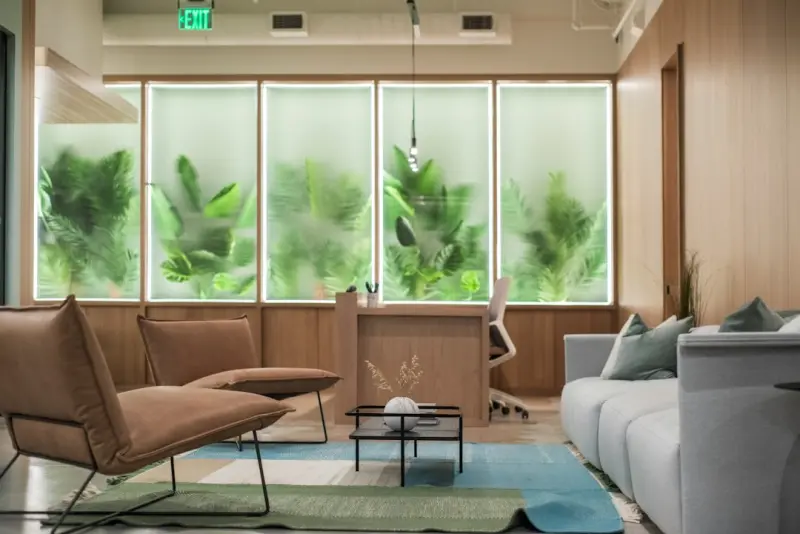
Physical design plays a surprisingly pivotal role in fostering co‑creation. Open‑concept lounges, modular seating, and writable surfaces invite spontaneous brainstorming. On buses, a simple “Idea Board” near the restrooms can become a hub for suggestions. On ships, a “Collaboration Cove” with whiteboards, markers, and comfortable chairs encourages passengers to map out their next adventure together.
Even the simplest touch—like placing a stack of postcards featuring local artists in the lounge—can spark conversations that evolve into group activities. The environment should feel inviting, not intimidating, and should subtly guide guests toward participation.
Training the Crew: From Service to Facilitation
To make co‑creation work, staff must shift from being solely service providers to becoming facilitators. This involves active listening, quick decision‑making, and a knack for translating group ideas into actionable plans.
Training programs should include:
- Conflict resolution skills for handling divergent preferences.
- Basic project management to coordinate spontaneous events.
- Storytelling techniques to weave passenger contributions into a cohesive narrative.
When crew members genuinely embrace the role of co‑creation partners, the entire journey feels more organic and rewarding.
The Future: Hybrid Experiences and Global Communities
Looking ahead, I see a convergence of physical voyages with digital communities. Imagine a global network of travelers who, after a cruise, continue collaborating on a shared travel blog, co‑authoring itineraries for future trips. Or bus tours that integrate virtual reality “pre‑views” of potential stops, allowing passengers to vote on destinations before the wheels even roll.
These hybrid experiences will blur the line between the journey and the post‑journey, turning a single cruise or bus tour into the launchpad for an ongoing, participatory travel ecosystem.
Getting Started: Your First Steps Toward Co‑Created Travel
If you’re an operator ready to experiment, here’s a quick starter kit:
- Pick a pilot route. Choose a destination with a variety of local partners (restaurants, artisans, guides).
- Set up a simple feedback loop. Use QR codes linked to a free polling platform; ask passengers one question per day.
- Design a collaborative space. Dedicate a lounge area for idea sharing and display the results in real time.
- Train a “Co‑Creation Captain.” Assign a crew member to monitor feedback, coordinate with local partners, and keep the schedule adaptable.
- Document the process. Capture stories, photos, and data to refine the model for future voyages.
Remember, the goal isn’t to hand over every decision to the crowd—rather, it’s to create a partnership where the crew’s expertise and the passengers’ curiosity amplify each other.
Conclusion: The Journey Becomes the Destination
When travelers move from being passive observers to active co‑creators, the line between “trip” and “experience” blurs. The voyage becomes a living, breathing narrative that evolves with every vote, every story shared, and every spontaneous detour taken. For cruise lines and bus tour operators, embracing this shift isn’t just a trendy add‑on—it’s a fundamental rethinking of what hospitality looks like in the age of participatory culture.
So the next time you hear a group of passengers debating whether to explore a hidden beach or attend a local music jam, don’t step in to decide. Instead, hand them the microphone, watch the magic unfold, and remember: the best voyages are those we write together.

Related Posts
AI‑Powered Personalization Is Changing Cruise & Bus Tours
Artificial intelligence is reshaping cruise and bus tours by delivering hyper‑personalized itinera... Read More
Sailing the Work-Life Spectrum: Why Professionals Are Choosing Cruise‑Based Remote Offices
Remote work meets ocean adventure as cruises transform into floating co‑working spaces, offering h... Read More
Charting Uncharted Waters: Hybrid Day‑Trip Bus Expeditions That Redefine the Cruise Prelude
Hybrid day‑trip bus expeditions blend personalization, local partnerships, and tech to transform i... Read More
Top Posts

The Unraveling of Rural America's Economic Fabric
The recent tariff tensions have brought to light the intricate web of consequences that rural America faces. It's a complex issue that requires a nuanced unders...Read More

Subscription Overload: How the SaaS Boom Is Quietly Inflating Your Monthly Budget
A deep dive into how the explosion of personal SaaS subscriptions is quietly inflating household expenses, with actionable tips to audit, consolidate, and optim...Read More

The Buzz About Energy Drinks: Understanding the Risks for Teens
In recent years, the energy drink market has experienced a phenomenal surge, fueled by clever marketing strategies and the pervasive influence of social media. ...Read More
Ambient Wellness: Designing Health‑Boosting Spaces for Everyday Life
Ambient wellness turns everyday environments into silent health boosters. Discover how light, sound, air, and scent can be deliberately designed to improve slee...Read More
0 Comments
Post Comment
You will need to Login or Register to comment on this post!