

From Peel‑to‑Pour: How Zero‑Waste Cocktail Bars Are Redefining the Nightlife Scene
When I first walked into a speakeasy tucked behind a laundromat in Toronto, I expected the usual polished brass and smoked‑glass ambience. Instead, I was greeted by a wall of citrus peels, a row of beet pulp jars, and a bartender who introduced herself as “the curator of leftovers.” It was a revelation: a bar that turned what most of us toss in the trash into the star of the show. This isn’t a gimmick; it’s a movement that’s quietly reshaping how we think about drinks, sustainability, and community.
Why the Waste‑to‑Wonder Model Matters Now
Every year, the hospitality industry discards millions of pounds of fruit skins, herb stems, and spent coffee grounds. According to a recent Food & Drink Sustainability Report, the average restaurant wastes roughly 30 % of its produce. That waste isn’t just an environmental blight—it’s a missed opportunity for flavor, creativity, and profit.
Zero‑waste cocktail bars answer three critical questions:
- How can we keep the planet green while keeping the glass full? By extracting every ounce of aroma and essence before the compost heap.
- What new flavor frontiers can we explore? The bitter peel of a grapefruit, the earthy notes of spent tea leaves, the smoky depth of charred rosemary—all become canvas for mixologists.
- How do we build community around shared responsibility? By inviting patrons to see the journey from waste to wonder, we turn a simple night out into a lesson in stewardship.
From Scraps to Signature Sips: The Science Behind the Magic
At the heart of this revolution is secret sauce of modern gastronomy: a blend of food science and storytelling. Here’s a quick backstage tour of how a typical zero‑waste cocktail is born:
- Ingredient Harvest: The bar partners with nearby farms, markets, and even coffee shops to collect “day‑end” produce—think orange peels, carrot tops, and spent espresso grounds.
- Extraction: Using techniques like cold‑pressing, maceration, and sous‑vide infusions, bartenders coax volatile oils and aromatic compounds from the scraps. A citrus peel, for instance, yields a bright, zesty oil that can replace expensive liqueurs.
- Fermentation & Distillation: Some bars ferment beet pulp or carrot tops to create low‑alcohol “tonics” that add depth without the sugar spike of syrups.
- Balancing Act: The final cocktail blends these extracts with base spirits, bitters, and a dash of house‑made simple syrup (often made from overripe fruit).
- Presentation: Garnishes become part of the story—think a twist of grapefruit peel that was once destined for the compost bin, now twisted into a fragrant crown.
What’s fascinating is that the flavor profiles emerging from waste aren’t just novel; they’re often more complex than their commercial counterparts. A bartender in Vancouver told me that the “charred rosemary tincture” they created from spent rosemary stems adds a smoky, piney nuance that no store‑bought vermouth can replicate.
Building a Circular Economy, One Cocktail at a Time
Zero‑waste bars don’t operate in isolation. They are part of a growing circular economy that links growers, restaurateurs, and consumers. For example, a bar in Montreal partners with a local community garden that supplies wilted herbs. After the herbs are used in drinks, the remaining plant matter returns to the garden as compost, completing the loop.
These collaborations echo the spirit of community kitchens that have become hubs for sharing resources and knowledge. While community kitchens focus on meals, zero‑waste bars focus on the ritual of drinking, yet both foster a sense of shared stewardship.
Economic Upside: Turning Cost‑Savings into Signature Branding
Let’s talk dollars. By sourcing “waste” that would otherwise be free or low‑cost, bars can dramatically reduce their ingredient spend. A typical cocktail that relies on fresh citrus juice and premium liqueurs might cost $2.50 per serving. In a zero‑waste model, the same drink could be produced for $1.20, with the added premium of a compelling narrative.
Consumers are increasingly willing to pay a premium for sustainability. A recent poll of millennial and Gen‑Z drinkers revealed that 68 % would choose a bar that demonstrated zero‑waste practices over a conventional venue, even if it meant a slightly higher price tag. The win‑win is clear: lower raw‑material costs plus a marketable eco‑story.
Challenges and How Bars Are Overcoming Them
Of course, the path isn’t without obstacles. Here are some common hurdles and the clever workarounds emerging across North America:
- Regulatory Hurdles: Health codes can be strict about using “waste” in food service. Pioneering bars work closely with local health authorities, documenting each step of the extraction process to prove safety.
- Supply Consistency: Relying on day‑end produce can be unpredictable. To mitigate this, many bars maintain a small “reserve pantry” of frozen peels and herbs, preserving flavor while maintaining zero‑waste ethos.
- Skill Gap: Not every bartender knows how to macerate or distill. Training programs, often in partnership with culinary schools, are emerging to teach the science of upcycling ingredients.
- Consumer Perception: Some patrons initially balk at the idea of “waste” in their drink. Transparent storytelling—through menu notes, bar signage, and staff education—turns curiosity into enthusiasm.
Spotlight: Three Bars Leading the Zero‑Waste Revolution
To illustrate how diverse this movement can be, here are three standout venues:
1. The Peel & Pour (Toronto)
Located behind a laundromat, The Peel & Pour specializes in citrus‑first cocktails. Their signature “Orange‑Twist Old Fashioned” uses cold‑pressed orange oil extracted from peels saved from a nearby farmer’s market. The bar also hosts monthly “Waste‑Wise Workshops” where patrons learn to make their own citrus syrups at home.
2. Root & Barrel (Vancouver)
Root & Barrel sources spent coffee grounds from local cafés and turns them into a smoky, espresso‑infused rum. Their “Midnight Mocha Martini” pairs this with beet‑juice reduction, creating a deep, earthy cocktail that’s both visually striking and conversation‑sparkling.
3. GreenGlass (Montreal)
Partnering with a community garden, GreenGlass offers herb‑forward drinks using the garden’s day‑end herb trimmings. Their “Garden‑Gate Gimlet” combines rosemary stem tincture, lime juice, and gin, garnished with a sprig of the same rosemary that birthed the drink.
How You Can Bring Zero‑Waste Practices to Your Own Home Bar
You don’t need a full‑blown bar to start experimenting. Here are five easy steps to make your at‑home cocktail routine more sustainable:
- Collect Your Scraps: Keep a small jar in the fridge for citrus peels, herb stems, and spent tea bags.
- Make Simple Infusions: Add your scraps to a neutral spirit (like vodka) and let sit for 24‑48 hours. Strain and use as a flavor base.
- DIY Bitters: Combine bitter peels, spices, and a splash of vinegar for homemade bitters that can replace pricey store‑bought versions.
- Repurpose Coffee Grounds: Use them to create a smoky coffee‑laced simple syrup—great for dark rum cocktails.
- Share the Story: When you serve friends, explain the origin of each ingredient. The narrative adds value and inspires others to join the movement.
The Future: Tech, Collaboration, and Global Impact
Looking ahead, technology will amplify the zero‑waste cocktail scene. Imagine AI‑driven platforms that analyze a bar’s waste stream and suggest optimal flavor pairings in real time. Or blockchain‑based tracking that verifies the provenance of each “upcycled” ingredient, giving consumers confidence in the sustainability claims.
On a larger scale, the model could influence policy. If municipalities recognize the environmental savings from upcycled beverage production, they might offer tax incentives similar to those given to composting businesses. This would accelerate adoption and embed zero‑waste practices into the broader hospitality industry.
Takeaway: A Toast to the Planet
Zero‑waste cocktail bars prove that sustainability and sophistication can share the same glass. By reimagining waste as a resource, these innovators are not only crafting unforgettable drinks but also teaching us a vital lesson: every peel, stem, and spent brew holds the potential for delight.
So next time you sip a cocktail, ask yourself—what was this once? And perhaps, consider raising a glass to the humble scrap that made it possible.

Related Posts

Zero-Waste Gastronomy: Turning Scraps into Culinary Gold
A deep dive into the zero‑waste movement, showing how upcycled ingredients, innovative techniques,... Read More
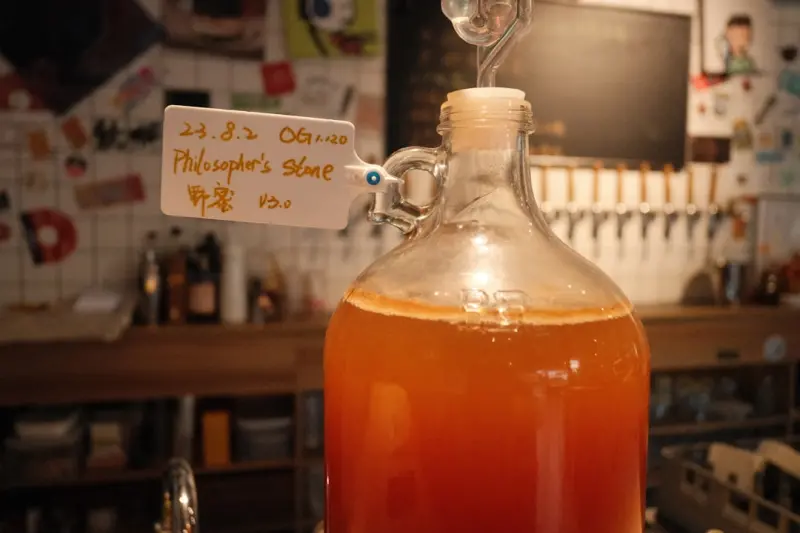
Fermentation Fever: How Homemade Kombucha and Craft Sodas Are Redefining the Drink Shelf
A deep dive into the rising popularity of fermented beverages, highlighting how home‑made kombucha... Read More
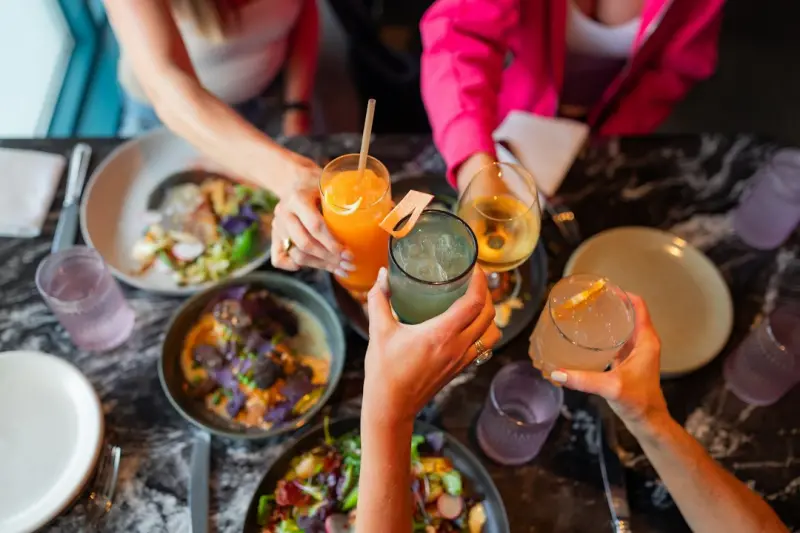
Edible Packaging: The Next Bite of Sustainable Dining
Edible packaging turns waste into taste, offering sustainable, nutritious wraps that complement meal... Read More
Top Posts
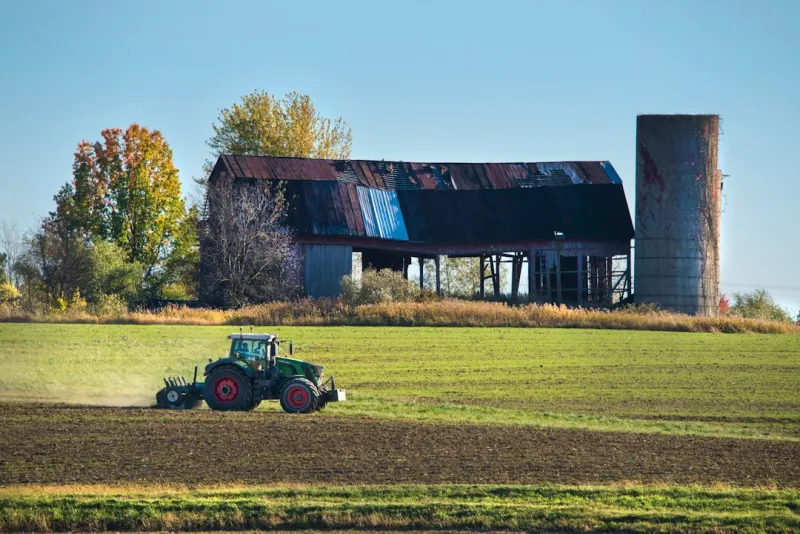
Slashing Your Rural Expenses: Insider Tips for Savvy Living
Living in a rural area can be a wonderful experience, but it requires some careful planning and budgeting. Learn how to slash your rural expenses and live a mor...Read More

Unlock Hidden Profits: How Micro‑Revenue Streams Can Future‑Proof Your Business
Learn to identify, price, and launch micro‑revenue streams from underused assets, turning hidden value into a steady, resilient income source....Read More

Ontario’s Hidden River Gems: A Modern Angler’s Guide
Discover Ontario’s secret river hotspots, how climate‑smart stewardship and rural broadband are reshaping fishing, and practical tips for the modern angler....Read More

Indigenous Storytelling Redefines Canadian Film and TV
Indigenous filmmakers and series are transforming Canada's screen landscape, blending tradition with modern storytelling to create authentic, powerful narrative...Read More
0 Comments
Post Comment
You will need to Login or Register to comment on this post!