
Why Fermentation Matters in Modern Cooking
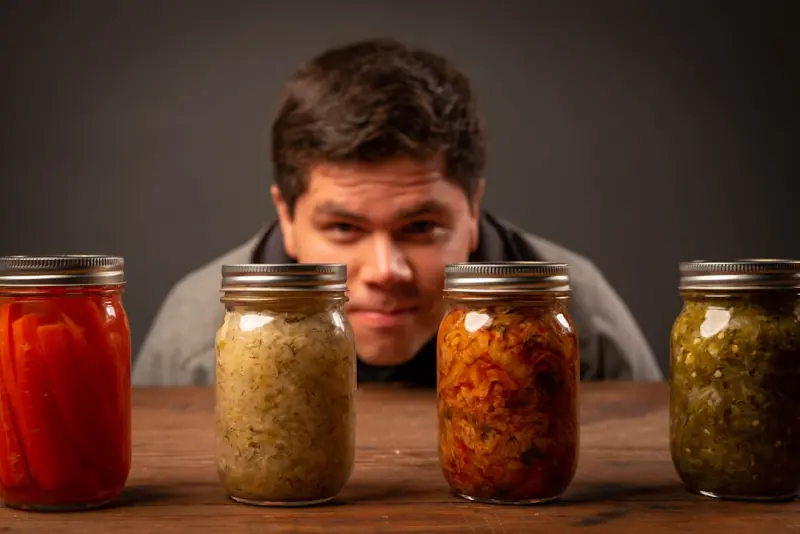
Fermentation isn’t just a trendy buzzword; it’s a time‑honored technique that amplifies flavor, texture, and nutrition, turning humble ingredients into culinary powerhouses. Probiotic-rich foods like kimchi, sauerkraut, and kombucha support gut health while delivering a punch of umami that can elevate even the simplest dish. In today’s fast‑paced kitchens, the slow, natural process of fermentation offers a counterbalance, encouraging mindfulness and a deeper connection to the food we prepare.
Starter Kits: From Kombucha SCOBY to Sourdough Levain
Getting started is surprisingly accessible—most home fermenters begin with a starter kit, whether it’s a kombucha SCOBY, a sourdough starter, or a simple brine for pickles, each requiring just a few pantry staples and patience. The magic lies in the microbial community: yeast and bacteria work together to convert sugars into acids, gases, and flavor compounds, creating that signature tang and complexity. I love the ritual of feeding a sourdough levain every 12 hours; the rhythmic rise and fall become a quiet meditation that signals it’s ready to transform flour into a crusty loaf.
Flavor Pairing Secrets: Matching Fermented Foods with Everyday Dishes
When you pair fermented foods thoughtfully, you unlock layers of taste that can turn a weekday dinner into a memorable experience. A splash of kombucha‑vinegar can brighten a vinaigrette, while a spoonful of miso adds depth to soups and marinades without overwhelming the palate. Experiment with a dollop of fermented hot sauce on roasted vegetables, or crumble kimchi into a fried rice for a spicy, sour kick that cuts through richness. These pairings work because the acidity and umami from fermentation balance fats and sugars, creating a harmonious bite.
Safety First: Common Pitfalls and How to Avoid Them
While fermentation is forgiving, it demands attention to hygiene and temperature to prevent off‑flavors or spoilage. Always use clean, non‑metal containers, keep the surface covered with a breathable cloth, and store jars at a stable room temperature—ideally between 65°F and 75°F—to foster beneficial microbes while discouraging harmful ones. Watch for signs of mold, which appears as fuzzy white, green, or black growth; if it surfaces, discard the batch. Proper salinity in brines (2‑3 % salt) also creates an environment that favors lactic‑acid bacteria over unwanted pathogens.
Creative Fermentation: From Condiments to Cocktails
Beyond traditional pickles and breads, fermentation opens doors to inventive condiments and drinks that can reinvent your culinary repertoire. Fermented hot pepper sauces bring nuanced heat that deepens with age, while fruit‑infused kombucha offers a low‑sugar alternative to soda, perfect for brunch or a post‑workout refresher. I’ve even tried a fermented ginger‑lemongrass shrub as a base for summer cocktails, adding a bright, tangy complexity that pairs beautifully with gin or vodka. The possibilities are limitless, limited only by curiosity and the willingness to experiment.
Community Connections: Fermentation as a Social Catalyst
Sharing a batch of kimchi or a loaf of sourdough fosters community, echoing the age‑old tradition of passing starter cultures from neighbor to neighbor. Many local food co‑ops now host fermentation workshops, where participants learn techniques while swapping recipes and stories. This communal aspect mirrors the collaborative spirit highlighted in the open kitchen movement, where transparency and shared experiences build trust between producers and diners. By inviting friends to taste and critique your creations, you create a feedback loop that refines your skills and strengthens bonds.
Integrating Fermentation into Meal Planning
Incorporating fermented elements into weekly meal plans can streamline prep and boost nutritional value. Start the week with a batch of pickled carrots for salads, a jar of kimchi for stir‑fries, and a sourdough starter ready for weekend baking. These ready‑to‑use components reduce cooking time, add probiotic benefits, and keep meals exciting. Pair fermented sides with roasted proteins to balance richness, and finish with a chilled kombucha‑based mocktail for a refreshing, gut‑friendly finish.
Technology Meets Tradition: Data‑Driven Fermentation
Even the age‑old art of fermentation can benefit from modern tech, as evidenced by the rise of immersive dining experience where chefs use temperature sensors and pH meters to perfect their cultures. Small home kits now include Bluetooth‑enabled probes that log data to your phone, alerting you when a starter reaches peak activity. This blend of tradition and technology demystifies the process, giving confidence to newcomers while allowing seasoned fermenters to fine‑tune flavor profiles with scientific precision.
Future Trends: Fermentation’s Role in Sustainable Food Systems
Looking ahead, fermentation stands poised to play a pivotal role in sustainable food production, turning food waste into valuable ingredients and reducing reliance on resource‑intensive processes. By fermenting surplus vegetables into pickles or turning fruit pulp into vinegar, we close the loop on food waste, creating high‑value products from what would otherwise be discarded. As more chefs and home cooks embrace these practices, fermentation will not only enrich our plates but also contribute to a more resilient, low‑impact food ecosystem.

Related Posts

Fermentation at Home: Rediscovering Canada’s Living Flavors
Discover the art of home fermentation, from kombucha to sauerkraut, and learn how simple tools, loca... Read More

Zero‑Waste Mixology: Crafting Cocktails from Kitchen Castoffs
Discover the art of zero‑waste mixology, where kitchen scraps become the foundation for inventive ... Read More

Fermenting the Future: How Home Fermentation Is Becoming a Sustainable Superpower
Fermentation is more than a culinary trend; it's a low‑effort, high‑impact practice that extends... Read More
Top Posts

Fermenting the Future: AI, Data, and the New Wave of Craft Beverages
A deep dive into how artificial intelligence and real‑time data are revolutionizing craft beverages—from precision fermentation and personalized flavor prof...Read More

How Canada Can Build a Healthier Future Through Community‑Centric Care
A fresh look at Canada’s healthcare future, highlighting community‑driven clinics, lasting telehealth solutions, and Indigenous health partnerships that pro...Read More

Capturing the Essence of Prom and Graduation: A Photographer's Perspective
Capturing the essence of prom and graduation requires more than just a camera. Learn how to preserve memories and create lasting impressions with expert photogr...Read More

Unlocking Customer Insight with Zero-Party Data
Zero‑party data lets B2B marketers capture explicit buyer preferences, turning consent‑driven insights into personalized experiences that boost engagement a...Read More
0 Comments
Post Comment
You will need to Login or Register to comment on this post!