
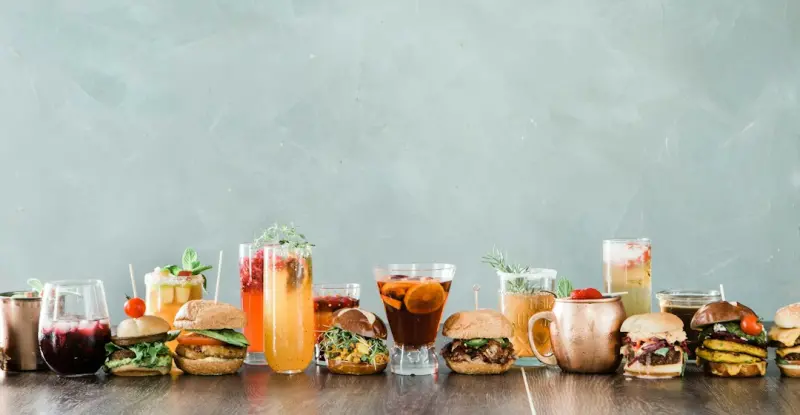
Why the Cocktail World Is Embracing Zero‑Waste Practices
When I first stepped behind a bustling bar in downtown Toronto, the clatter of glass, the hiss of a shaker, and the aroma of citrus skins swirling in the air felt like a symphony. Yet beneath that rhythm was a quieter, less glamorous reality: a mountain of discarded fruit peels, spent herbs, and single‑use garnishes that never made it to a customer’s glass. The industry’s love affair with flair was inadvertently creating a waste problem that mirrors the broader sustainability challenges we face today.
In the last few years, a quiet revolution has been brewing—bars and home mixologists alike are rethinking every ingredient, every technique, and every piece of equipment to squeeze the most flavor out of the least waste. This isn’t about trendy gimmicks; it’s a systematic shift that combines creative ingenuity, data‑driven inventory control, and community collaboration. Below, I’ll walk you through the forces reshaping the cocktail landscape and show you how you can join the movement, whether you run a high‑volume lounge or you’re just shaking up a drink on a Friday night.
From Trash to Treasure: Upcycled Ingredients Take Center Stage
One of the most compelling aspects of the zero‑waste movement is the rise of upcycled ingredients. These are components that would normally be discarded—think citrus zest, coffee grounds, or even spent grain from a brewery—transformed into flavorful syrups, bitters, or infusions. By repurposing what would otherwise be landfill material, producers are not only reducing waste but also unlocking new taste dimensions that were previously unexplored.
- Citrus zest bitters: A few millimeters of orange or grapefruit peel, steeped with aromatic herbs, can yield a bitter that adds depth to a classic Old Fashioned without the need for additional purchased bitters.
- Coffee‑ground liqueur: Spent espresso grounds mixed with neutral spirits and a dash of vanilla produce a smooth, earthy liqueur perfect for an espresso‑kissed Manhattan.
- Spent‑grain syrup: The leftover grain from craft breweries, when boiled down with sugar and a pinch of cinnamon, becomes a caramel‑rich syrup that pairs beautifully with bourbon.
These upcycled creations often start in a kitchen lab, but the momentum is moving outward. Many boutique distilleries now source spent grain directly from local breweries, creating a circular supply chain that benefits both parties. It’s a win‑win that also tells a story—a narrative that modern consumers love to share on social media.
Data‑Driven Inventory: Turning Numbers into Less Waste
While creativity fuels the front‑of‑house experience, the back‑of‑house is where the biggest waste reductions happen. Bars that rely on gut instinct to order supplies end up over‑stocking, leading to spoilage, or under‑stocking, which forces emergency purchases that are often more expensive and less sustainable.
Enter smart inventory platforms. These tools analyze sales patterns, seasonality, and even local events to predict exactly how much of each ingredient you’ll need. By aligning orders with actual demand, you minimize the odds of ending up with wilted mint or bruised berries that never make it into a drink.
Many of these platforms integrate directly with point‑of‑sale (POS) systems, automatically updating stock levels in real time. The data can also feed into waste‑tracking dashboards, allowing managers to pinpoint which ingredients are most likely to go unused and adjust their ordering strategy accordingly. The result? A leaner, greener bar that spends less and serves more responsibly.
Community‑Driven Cocktail Labs: Sharing Knowledge, Reducing Redundancy
Just as the local sourcing trends have fostered tighter relationships between chefs and farmers, a new wave of community cocktail labs is connecting bartenders, home enthusiasts, and ingredient suppliers. These labs operate on a collaborative model: members pool resources—think shared fermentation vessels, bulk citrus purchases, or collective access to high‑end bitters—and share recipes that prioritize waste reduction.
For example, a monthly “Peel Party” might bring together participants who each bring a bag of fruit peels. The group then co‑creates a series of infused syrups and bitters, documenting the process and distributing the results to all members. This not only reduces individual costs but also prevents each participant from discarding their own peels.
These labs often host “upcycle challenges,” where participants are given a set of waste ingredients and asked to craft a drink that highlights those components. The challenges generate a flood of innovative ideas that can be adopted by bars worldwide, spreading the zero‑waste ethos far beyond the original community.
Zero‑Waste Mixology Techniques You Can Adopt Today
If you’re wondering how to translate these big ideas into actionable steps, here’s a practical checklist you can start using right away:
- Audit your waste. Spend a week tracking every ingredient that ends up in the trash. Categorize it (citrus, herbs, dairy, etc.) and quantify the volume.
- Standardize garnish portions. Use pre‑measured scoops for citrus twists or herb sprigs to avoid over‑cutting.
- Implement a peel‑to‑syrup program. Set up a small station where staff can immediately transfer zest into a labeled jar for later syrup production.
- Adopt a “first‑in, first‑out” system. Rotate stock so older produce is used before fresh deliveries arrive, reducing spoilage.
- Partner with local farms. Negotiate agreements where you receive imperfect produce (e.g., misshapen cucumbers) at a discount, turning them into pickles or infused waters.
- Invest in multi‑use equipment. A single high‑quality shaker can double as a storage container for infused spirits, cutting down on extra glassware.
- Train staff on upcycling. Host short workshops that teach the basics of creating bitters, syrups, and infusions from waste.
Even implementing just a few of these steps can dramatically shrink your waste footprint while adding fresh, unique flavors to your menu.
Home Mixology: Bringing Zero‑Waste Principles to Your Kitchen Bar
Zero‑waste isn’t reserved for commercial establishments. At home, the same principles can make your cocktail evenings more sustainable and more exciting. Here are a few simple tricks for the everyday enthusiast:
- Freeze citrus zest. After zesting a lemon, pack the zest into ice‑cube trays with a splash of water. You’ll have ready‑to‑use flavor packets for future drinks.
- Reuse herb stems. Stems from mint, rosemary, or thyme can be steeped in simple syrups for a subtle aromatic boost.
- Make “scrap” bitters. Combine coffee grounds, cacao nibs, and dried orange peel with high‑proof spirit; let sit for a week, strain, and you have a bitter that adds depth to any cocktail.
- Turn leftover soda into a cocktail base. A half‑empty bottle of tonic can be mixed with gin and a dash of fresh juice for a quick, low‑waste gin‑tonic.
These home practices not only reduce waste but also give you a sense of ownership over the flavors you create. When you know exactly where each component came from, the drinking experience becomes richer and more personal.
Future Outlook: Technology, Regulation, and Consumer Demand
Looking ahead, three forces will shape the continued evolution of zero‑waste cocktail culture:
1. Advanced Analytics and AI‑Powered Forecasting
While we’ve seen AI dominate political and marketing spheres (AI in campaigns), its application to bar inventory is still nascent. Predictive models that factor in weather patterns, local events, and even social media trends could fine‑tune ordering to an unprecedented degree, slashing waste further.
2. Regulatory Incentives
Municipal governments are beginning to recognize the environmental impact of hospitality waste. Some cities are offering tax breaks or certification programs for establishments that meet strict waste‑reduction benchmarks. Participating in these programs can boost a bar’s brand image while delivering tangible cost savings.
3. Consumer Consciousness
Today’s diners are more informed than ever. A growing segment actively seeks out venues that demonstrate sustainable practices, from farm‑to‑glass sourcing to waste minimization. When a bar proudly displays its upcycled syrups or shares a story about a community peel‑party, it creates a connection that can turn first‑time visitors into loyal patrons.
In short, the convergence of technology, policy, and consumer demand is setting the stage for a cocktail industry that is as responsible as it is inventive.
Conclusion: A Toast to a Greener Future
Zero‑waste mixology isn’t a fleeting fad; it’s a holistic approach that reshapes how we think about flavor, supply chains, and community. By upcycling ingredients, leveraging data‑driven inventory tools, and collaborating through community labs, both bars and home enthusiasts can dramatically cut waste while unlocking new taste experiences.
The next time you raise a glass, consider the journey of every peel, herb stem, and grain particle that made it possible. With each mindful sip, you’re not just enjoying a drink—you’re participating in a movement that turns waste into wonder.
And if you’re hungry for more inspiration, dive into the world of home fermentation techniques. The principles of turning waste into flavor are remarkably similar, and the possibilities are limitless.

Related Posts

Smoked Cocktails at Home: A Guide to Crafting Aromatic Drinks
Discover the art of smoked cocktails—choose the right wood, master safety, craft infused spirits, ... Read More
Cooking Up Collaboration: How Remote Teams Turn Kitchens Into Innovation Labs
Remote teams are transforming kitchen time into strategic innovation labs, using data‑driven tools... Read More

Urban Foraging: The Unexpected Gourmet Revolution
Urban foraging is reshaping city cuisine, turning everyday green spaces into edible treasure troves.... Read More
Top Posts

Beyond the Shore: Designing Sustainable, Inclusive Bus Tours for Modern Cruise Travelers
A deep dive into reimagining bus tours for cruise passengers, focusing on sustainability, personalization, accessibility, and community partnership to create un...Read More

Elevate Your Prom & Graduation: A Strategic Playbook for Unforgettable Milestones
A step‑by‑step, budget‑smart, eco‑friendly guide transforms prom and graduation from a one‑night expense into a strategic celebration that leaves last...Read More

Beyond the Rod: Data, Tradition & Tech Redefine Ontario Fishing
Ontario anglers are merging age‑old Indigenous knowledge, data‑driven insights, and new tech tools to fish more responsibly and successfully, creating a sus...Read More
Unplug to Recharge: Mastering the Digital Detox for Real Health Gains
A deep dive into the science of digital overload and a practical, data‑driven framework for a sustainable digital detox that improves sleep, reduces stress, a...Read More
0 Comments
Post Comment
You will need to Login or Register to comment on this post!