
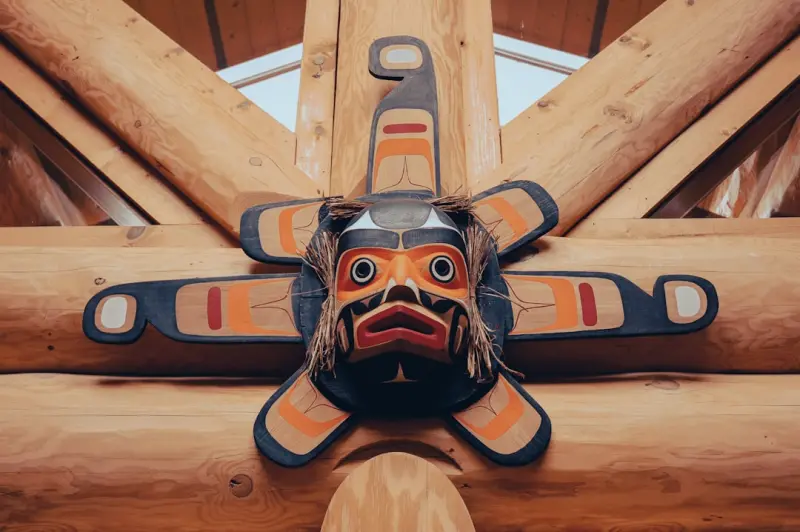
Canada’s entertainment landscape is undergoing a quiet revolution that most mainstream headlines haven’t caught yet. While the country is celebrated for its film festivals, music exports, and world‑class sports events, a new generation of creators is redefining what it means to play, perform, and engage. From Indigenous game studios weaving cultural narratives into digital realms, to city‑wide live‑action role‑playing (LARP) gatherings that blur the line between theater and sport, the scene is both eclectic and electric.
The Rise of Indigenous Game Studios
For decades, Indigenous voices were under‑represented in the video‑game industry, often reduced to stereotypes or sidelined as cultural consultants. Today, a handful of Canadian studios are flipping that script. These developers are not just adding Indigenous characters—they are building entire worlds rooted in oral traditions, language preservation, and community values.
Why it matters: Games have become a primary medium for cultural transmission among younger generations. By embedding authentic stories, languages, and art styles, Indigenous studios are creating interactive archives that educate players worldwide while fostering pride at home.
- Community‑first development: Many studios partner with elders and cultural scholars from the outset, ensuring that gameplay mechanics respect sacred narratives.
- Economic empowerment: Successful titles generate revenue that can be reinvested into community programs, scholarships, and further creative ventures.
- Global reach: Platforms like Xbox, PlayStation, and indie‑friendly services such as itch.io provide a worldwide stage, allowing Canadian Indigenous games to compete alongside AAA releases.
One standout example is a recent adventure game that lets players navigate a mythic landscape inspired by the Haida nation. The game’s success demonstrates that authenticity can be a commercial asset, not a niche curiosity.
Live‑Action Role‑Playing: The Urban Playground
While video games occupy the digital frontier, another movement is reclaiming the streets. Live‑action role‑playing, or LARP, has been gaining traction in major Canadian cities—from Vancouver’s rain‑slick alleys to Toronto’s historic Distillery District. These events combine costume design, improvisational acting, and strategic gameplay, creating immersive experiences that feel part‑theater, part‑sport.
Key drivers:
- Social connection: In an era of digital fatigue, participants crave face‑to‑face interaction that still offers a narrative hook.
- Creative expression: LARP provides a sandbox for costume designers, prop makers, and storytellers to showcase their craft without the constraints of traditional theater budgets.
- Economic ripple effects: Local businesses—cafés, costume shops, and venue rentals—see increased foot traffic during events.
Organizers often rely on crowdfunding and community sponsorships, echoing the collaborative spirit seen in other Canadian entertainment sectors.
Virtual Reality Arcades: A New Social Hub
Virtual reality (VR) isn’t new, but its integration into social entertainment venues is. Across Canada, VR arcades are popping up in malls, university campuses, and even repurposed warehouses. These spaces offer multiplayer experiences that range from cooperative puzzle rooms to competitive sports simulations.
What sets Canadian VR arcades apart is their emphasis on local content. Developers are partnering with arcade owners to showcase regionally produced experiences—think a VR hike through the Canadian Rockies or an interactive reenactment of a historic hockey game.
From a business perspective, VR arcades benefit from:
- Recurring revenue: Hourly bookings and membership plans keep cash flow steady.
- Cross‑promotion: Arcade operators collaborate with nearby restaurants and breweries, creating an ecosystem of entertainment.
- Data insights: While privacy remains paramount, operators can gather anonymized usage stats to refine game selections—a practice reminiscent of the principles discussed in data stewardship in entertainment.
The Convergence of Storytelling and Play
Across all these trends—Indigenous studios, LARP, VR arcades—a common thread emerges: storytelling is the engine that fuels engagement. When a game, a live event, or a virtual experience tells a compelling story, audiences become active participants rather than passive observers.
Consider how culinary narratives have reshaped dining culture, a phenomenon explored in the power of storytelling. The same principles apply to entertainment: a well‑crafted plot, rich character arcs, and cultural resonance turn a simple activity into a memorable event.
Challenges and Opportunities
While the momentum is undeniable, Canadian creators face hurdles that require strategic navigation.
Funding Gaps
Traditional funding bodies often prioritize film and music, leaving game development and immersive experiences under‑served. However, new grant programs focused on digital innovation and cultural preservation are beginning to fill the void.
Regulatory Landscape
Live‑action events must contend with municipal permits, safety regulations, and insurance requirements. Clearer guidelines could streamline organization and encourage more grassroots initiatives.
Talent Retention
Canada’s “brain drain” affects the entertainment sector as well. By fostering supportive ecosystems—co‑working spaces, mentorship programs, and industry networks—cities can retain homegrown talent.
Looking Ahead: A Playful Future
The next wave of Canadian entertainment will likely be defined by hybrid experiences that merge the physical and digital. Imagine a LARP scenario where participants wear lightweight AR glasses that overlay narrative cues onto real‑world locations, while a live‑streamed VR audience watches and interacts in real time. Such convergence not only expands creative possibilities but also opens up new revenue streams through hybrid ticketing models.
Moreover, as cultural institutions recognize the value of interactive media, we may see museums and galleries incorporating game‑based storytelling to attract younger visitors, further blurring the boundaries between education and entertainment.
In sum, Canada’s entertainment renaissance is rooted in authenticity, community collaboration, and a relentless pursuit of immersive storytelling. Whether you’re a developer, a player, or an observer, the country offers a vibrant playground where tradition meets technology, and where every story has the potential to become the next big thing.

Related Posts

The Rise of Homegrown Comedy: How Canada’s Funny Bone is Going Global
From basement clubs to worldwide streaming platforms, Canadian comedians are turning regional humor ... Read More

Beyond the Screen: Canada’s Immersive Entertainment Revolution
The article examines Canada's leap into immersive entertainment, highlighting regional collaboration... Read More

Reviving the Open Air: Canada’s Drive‑In Cinema Renaissance
Canada’s drive‑in theatres are experiencing a vibrant comeback, turning parking lots into cultur... Read More
Top Posts

Beyond the Waiting Room: Community Telehealth Hubs Transform Canadian Healthcare
Community telehealth hubs blend local support with virtual specialist care, using reliable broadband, patient‑centered communication, and responsible AI to br...Read More

Ontario Fishing: Secrets of the Lakes and Rivers
Discover how to read water temperature cues, select optimal gear, and honor local traditions for a richer Ontario fishing experience....Read More

Turning Caps and Gowns into Community Storytelling Events
Explore a new approach to prom and graduation that uses local collaborations, sensory experiences, and mental‑wellness strategies to create lasting, community...Read More

The Art of Savoring: A Foodie's Guide to Exploring Canada's Culinary Scene
Join me on a gastronomic journey across Canada, highlighting some of the most mouth-watering experiences that will leave your taste buds tingling. From Calgary'...Read More
0 Comments
Post Comment
You will need to Login or Register to comment on this post!